Milk VS Ciabatta
A detailed nutritional comparison
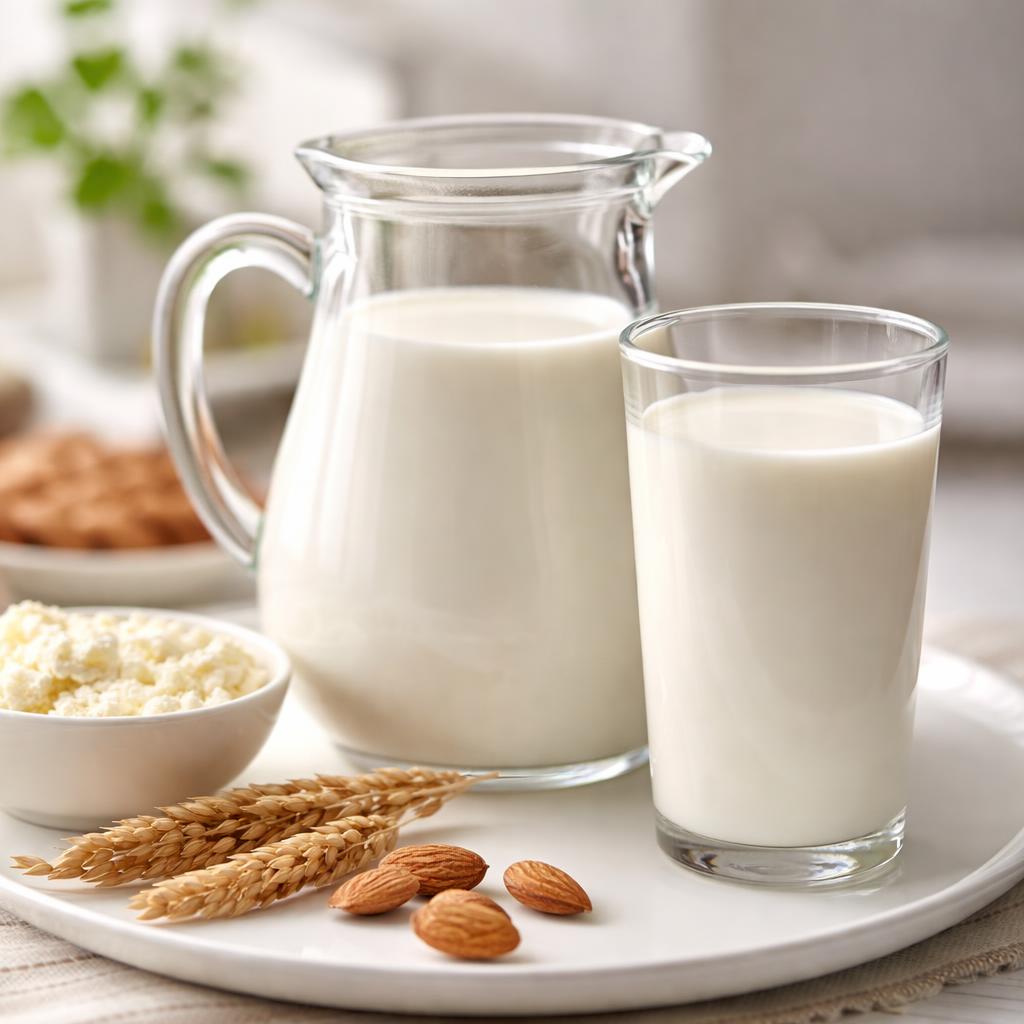
Milk
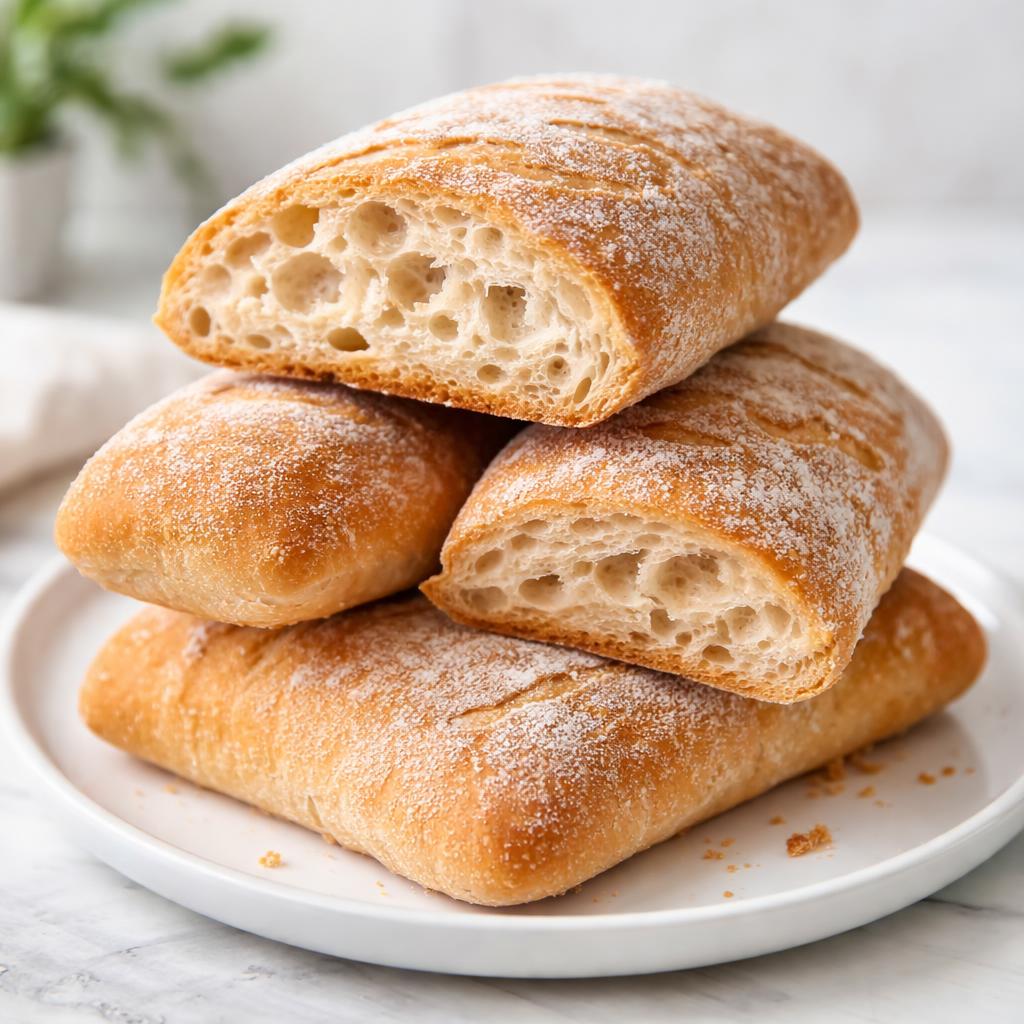
Ciabatta
🎯 Quick Verdict
Milk is a protein-rich beverage with fewer calories, while ciabatta is a carb-heavy bread offering more fiber and sustained energy. Milk is ideal for muscle-building diets or lighter calorie needs, whereas ciabatta works well as a versatile base for meals or snacks that require more carbohydrates.

Smart Nutrition Tracking with SnapCalorie

📊 Nutritional Comparison
Macronutrients
| Nutrient | Food 1 | Food 2 | Winner |
|---|---|---|---|
| Calories | 103 per cup (240ml) | 240 per 100g | ✓ |
| Protein | 8g per cup | 7g per 100g | ✓ |
| Carbs | 12g per cup | 49g per 100g | ✓ |
| Fat | 2.4g per cup | 1.4g per 100g | ✓ |
| Fiber | 0g | 3g per 100g | ✓ |
Vitamins & Minerals
| Nutrient | Food 1 | Food 2 | Winner |
|---|---|---|---|
| Calcium | 276mg per cup | 30mg per 100g | ✓ |
| Vitamin D | 2.5mcg per cup | 0mcg | ✓ |
| Iron | 0.1mg per cup | 1.8mg per 100g | ✓ |
🏆 Category Winners
Protein
Milk provides slightly higher protein per serving.
Fiber
Ciabatta has 3g of fiber per 100g, whereas milk provides none.
Calories
Milk has less than half the calories of ciabatta per serving.
Vitamins
Milk offers significant calcium and vitamin D, key for bone health.
🥗 Diet Compatibility
Keto
Food 1: Not Compatible
Food 2: Not Compatible
Both have moderate to high carbs.
Vegan
Food 1: Not Compatible
Food 2: Compatible
Milk is animal-based, while ciabatta is plant-based.
Gluten Free
Food 1: Compatible
Food 2: Not Compatible
Ciabatta contains wheat-based gluten.
Paleo
Food 1: Not Compatible
Food 2: Not Compatible
Neither aligns with paleo dietary principles.
Low Carb
Food 1: Partially Compatible
Food 2: Not Compatible
Milk is moderately low-carb but ciabatta is very high in carbs.
💪 Health Benefits Comparison
Food 1 Benefits
- High-quality protein for muscle growth and repair
- Rich in calcium for strong bones and teeth
- Vitamin D supports immunity and bone health
Food 2 Benefits
- Provides sustained energy from complex carbs
- Contains fiber for improved digestion
- Good source of iron for oxygen transport in the body
✅ The Bottom Line
Milk is a nutrient-dense option with protein and calcium, ideal for supporting muscle maintenance and bone health. Ciabatta, with its carbs and fiber, is better for energy and digestion. Choose milk for post-workout or lighter calorie needs, and opt for ciabatta as a filling component in balanced meals.
Choose Food 1 for: Post-workout recovery, muscle-building diets, lightweight nutrition
Choose Food 2 for: Meal/snack base, energy boost during the day, fiber-rich foods


