Milk VS Chicken Stir Fry
A detailed nutritional comparison
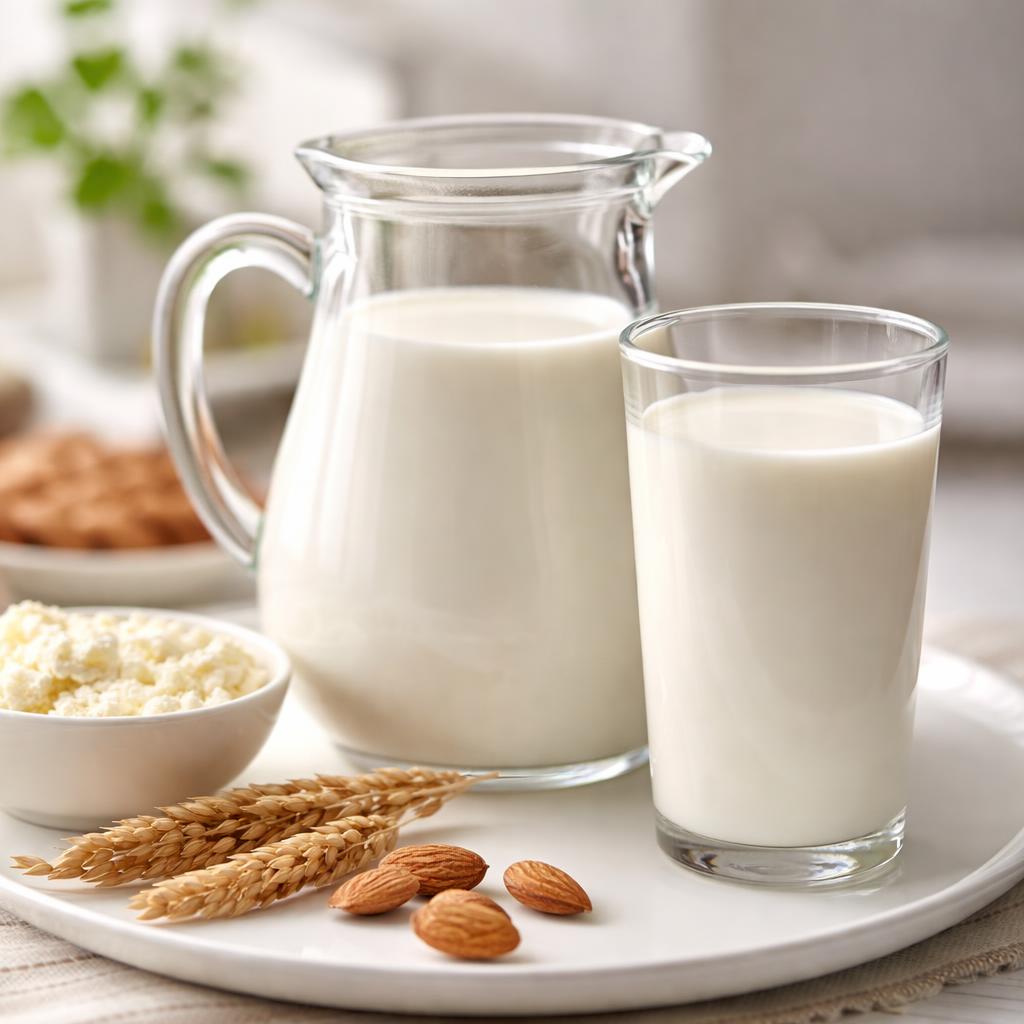
Milk
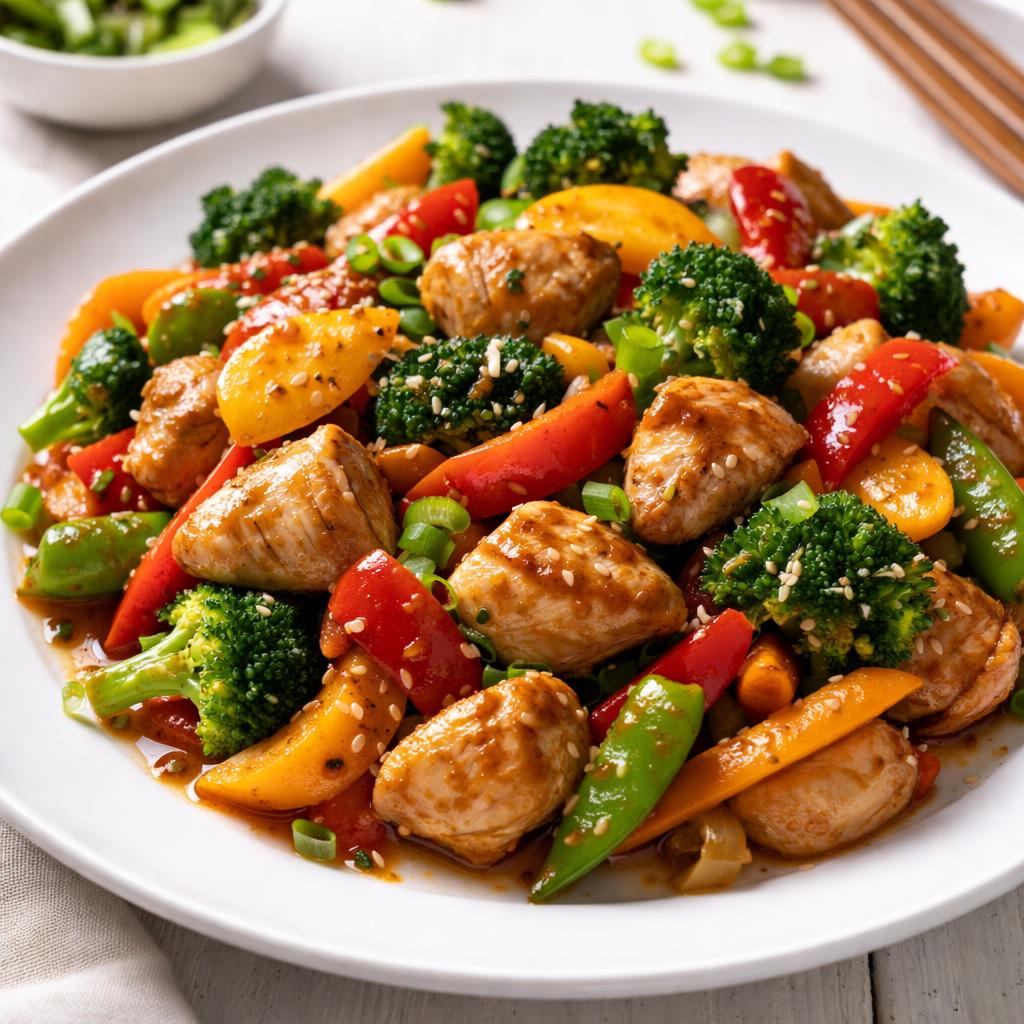
Chicken Stir Fry
🎯 Quick Verdict
Milk is lower in calories and is a good source of calcium and vitamin D, making it ideal for bone health. Chicken stir fry provides significantly higher protein, fiber, and diverse micronutrients, alongside healthy fats, making it better suited for muscle building and overall nutrient density for active people or balanced diets.

Smart Nutrition Tracking with SnapCalorie

📊 Nutritional Comparison
Macronutrients
| Nutrient | Food 1 | Food 2 | Winner |
|---|---|---|---|
| Calories | 122 per cup (2% milk) | 250 per serving (200g chicken stir fry) | ✓ |
| Protein | 8g | 30g | ✓ |
| Carbs | 12g | 15g | ✓ |
| Fat | 5g | 8g | ✓ |
| Fiber | 0g | 2g | ✓ |
Vitamins & Minerals
| Nutrient | Food 1 | Food 2 | Winner |
|---|---|---|---|
| Vitamin D | 3mcg | 1mcg | ✓ |
| Calcium | 305mg | 25mg | ✓ |
| Iron | 0mg | 1mg | ✓ |
| Vitamin A | 150IU | 350IU | ✓ |
🏆 Category Winners
Protein
Food2 offers nearly four times more protein per serving.
Fiber
Food2 contains 2g of fiber, while food1 has none.
Calories
Food1 is lower in calories at 122 per serving compared to food2’s 250.
Vitamins
Food1 is richer in calcium and vitamin D, key for bone health.
🥗 Diet Compatibility
Keto
Food 1: Not Compatible
Food 2: Compatible
Food1 contains higher carbs, while food2 is low-carb with a focus on protein.
Vegan
Food 1: Not Compatible
Food 2: Not Compatible
Both are animal-based foods.
Gluten Free
Food 1: Compatible
Food 2: Compatible
Neither food contains gluten.
Paleo
Food 1: Not Compatible
Food 2: Compatible
Milk is avoided on paleo diets, but chicken stir fry aligns with paleo principles.
Low Carb
Food 1: Compatible
Food 2: Compatible
Both foods are reasonable for low-carb diets depending on portion sizing.
💪 Health Benefits Comparison
Food 1 Benefits
- Good source of calcium for bone density
- Rich in vitamin D to support immune function
- Provides protein for general muscle maintenance
Food 2 Benefits
- High in protein for muscle building and repair
- Contains healthy fats that support heart health
- Offers iron and vitamin A essential for energy and vision
- Includes fiber for improved digestion
✅ The Bottom Line
Milk is a great option for those seeking lower calories and bone-supporting nutrients like calcium and vitamin D. Chicken stir fry is more nutrient-dense overall, providing higher protein, fiber, and essential vitamins, making it better for active lifestyles and muscle building.
Choose Food 1 for: Bone health, lower calorie diets, general protein intake
Choose Food 2 for: High-protein diets, muscle building, balanced nutrient intake


