Milk VS Chicken Salad Sandwich
A detailed nutritional comparison
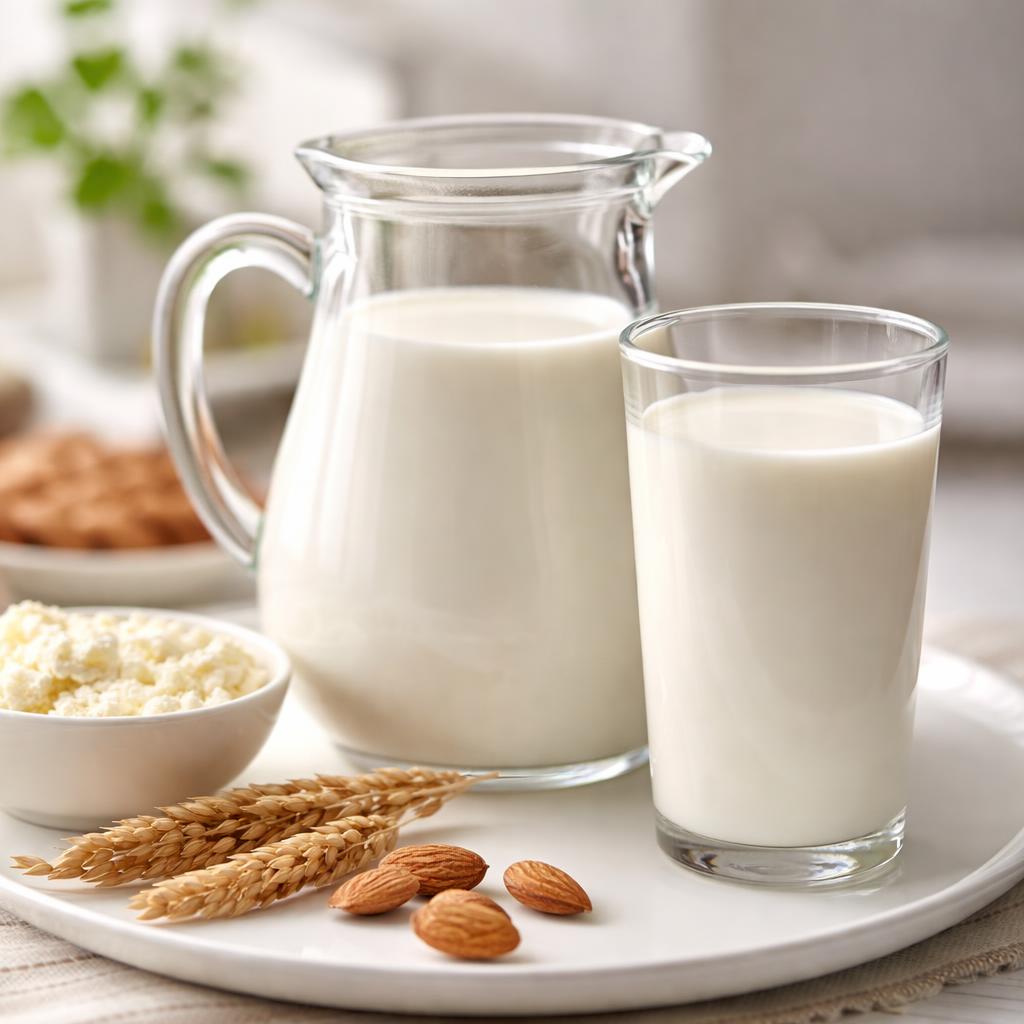
Milk
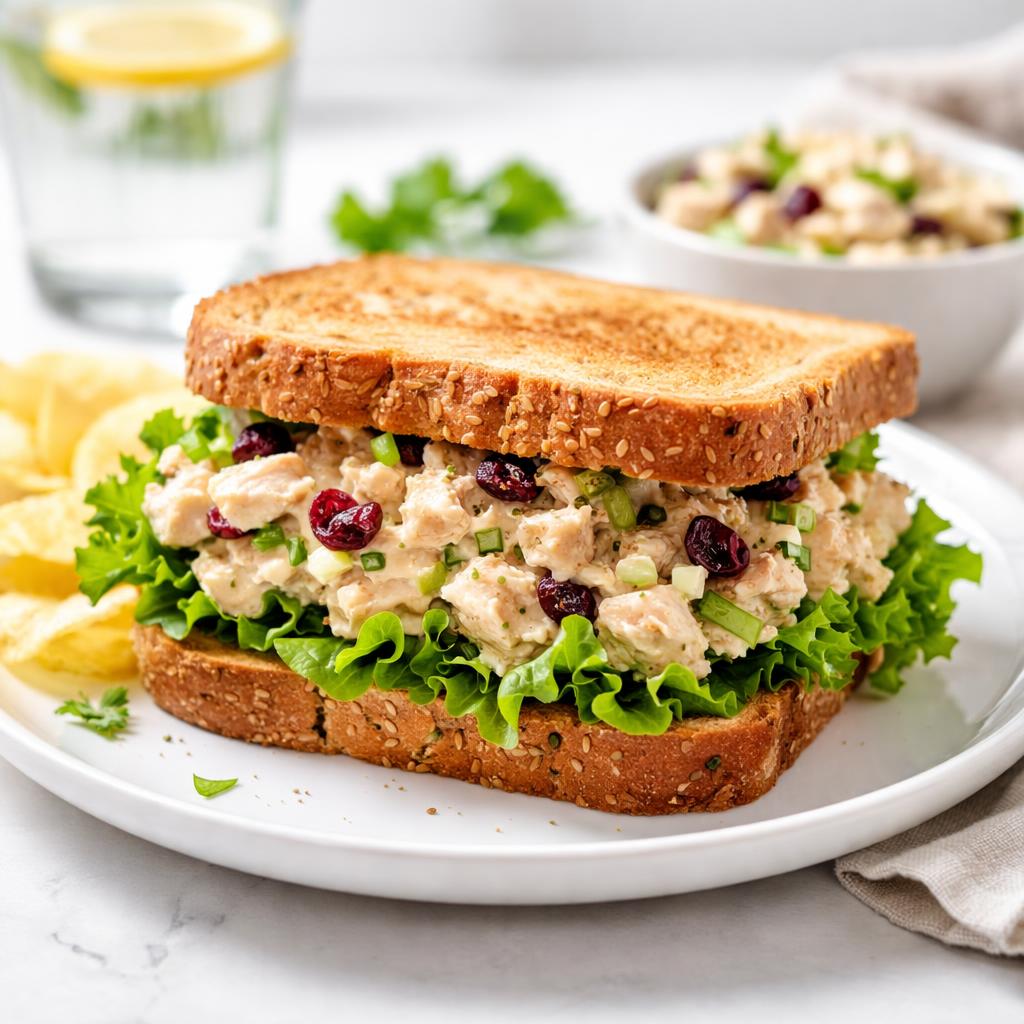
Chicken Salad Sandwich
🎯 Quick Verdict
Milk and a chicken salad sandwich serve distinct dietary purposes. Milk is lower in calories and provides essential calcium and vitamin D, making it ideal for bone health. The chicken salad sandwich is higher in protein and fiber, offering a more filling and balanced nutrient profile—perfect for sustaining energy levels and promoting satiety during meals.

Smart Nutrition Tracking with SnapCalorie

📊 Nutritional Comparison
Macronutrients
| Nutrient | Food 1 | Food 2 | Winner |
|---|---|---|---|
| Calories | 150 kcal per cup (240 ml) | 350 kcal per sandwich | ✓ |
| Protein | 8g | 20g | ✓ |
| Carbs | 12g | 32g | ✓ |
| Fat | 8g | 12g | ✓ |
| Fiber | 0g | 4g | ✓ |
Vitamins & Minerals
| Nutrient | Food 1 | Food 2 | Winner |
|---|---|---|---|
| Vitamin D | 2mcg | 0mcg | ✓ |
| Calcium | 300mg | 150mg | ✓ |
| Iron | 0mg | 2mg | ✓ |
🏆 Category Winners
Protein
Food2 has 12g more protein per serving, ideal for muscle building and repair.
Fiber
Food2 contains fiber (4g), essential for digestion, while food1 has none.
Calories
Food1 is significantly lower in calories by more than 50%, making it better for calorie-controlled diets.
Vitamins
Milk provides higher calcium (300mg per serving) and vitamin D (2mcg), critical for bone health.
🥗 Diet Compatibility
Keto
Food 1: Limited Compatibility
Food 2: Not Compatible
Milk contains 12g of carbs and is limited for keto diets, while the sandwich's carb content disqualifies it.
Vegan
Food 1: Not Compatible
Food 2: Not Compatible
Both foods contain animal products (milk and chicken).
Gluten Free
Food 1: Compatible
Food 2: Not Compatible
Milk is naturally gluten-free, while sandwiches typically contain gluten unless made with gluten-free bread.
Paleo
Food 1: Not Compatible
Food 2: Limited Compatibility
Milk is excluded from strict paleo diets; chicken salad may be compatible only if served without bread.
Low-Carb
Food 1: Compatible
Food 2: Not Compatible
Milk is relatively lower-carb, while sandwiches are higher-carb due to bread.
💪 Health Benefits Comparison
Food 1 Benefits
- Rich in calcium for strong bones and teeth
- Contains vitamin D, supporting immune system and bone growth
- Provides high-quality protein for muscle maintenance
Food 2 Benefits
- High in protein for muscle repair and satiety
- Contains fiber for improved digestion and gut health
- Offers iron and minerals for energy production and overall health
✅ The Bottom Line
Choose milk when prioritizing calcium, vitamin D, and lower calories—perfect for bone health and lighter calorie-based diets. Opt for a chicken salad sandwich when needing a higher-protein, fiber-rich, and nutrient-dense option that serves as a filling meal.
Choose Food 1 for: Bone health, light snack or pairing with meals, post-workout replenishment
Choose Food 2 for: Lunch or dinner, sustained energy, nutrient-packed meals


