Milk VS Cheeseburger
A detailed nutritional comparison
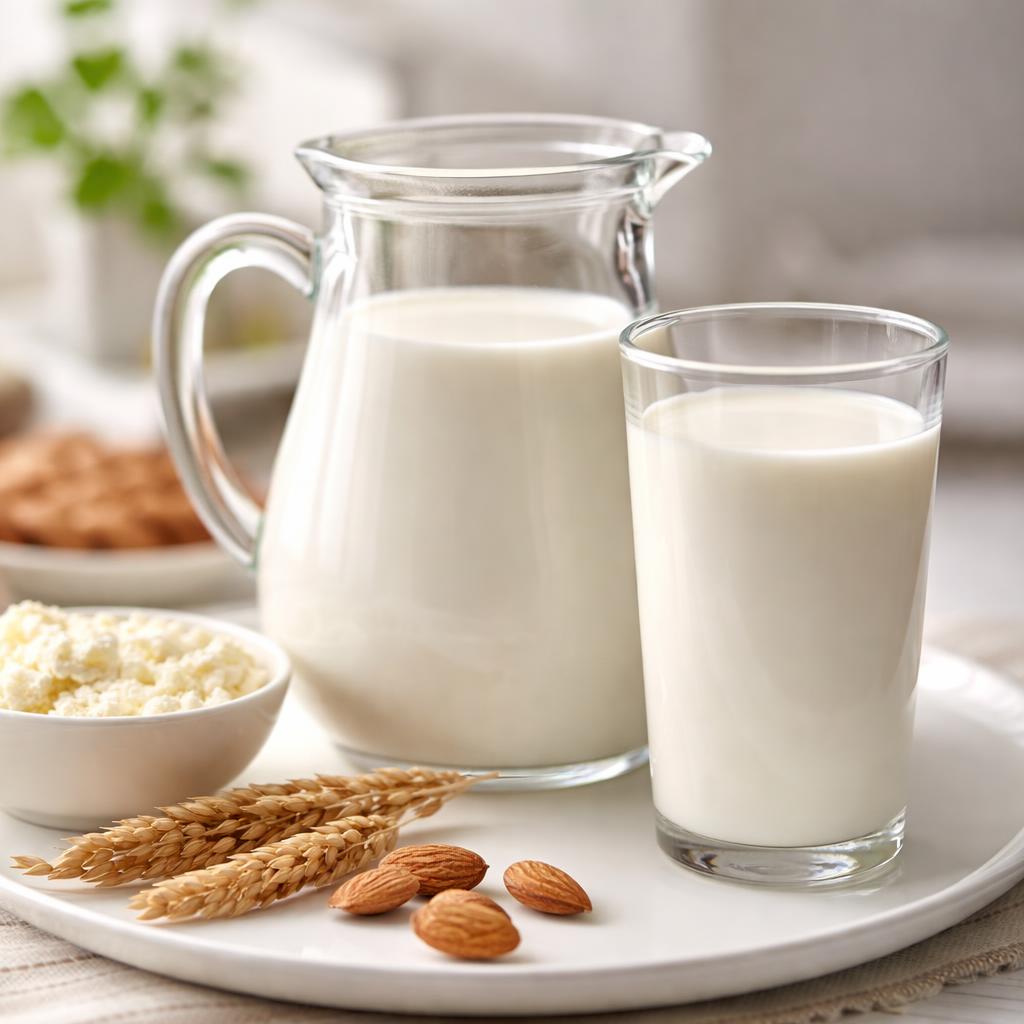
Milk
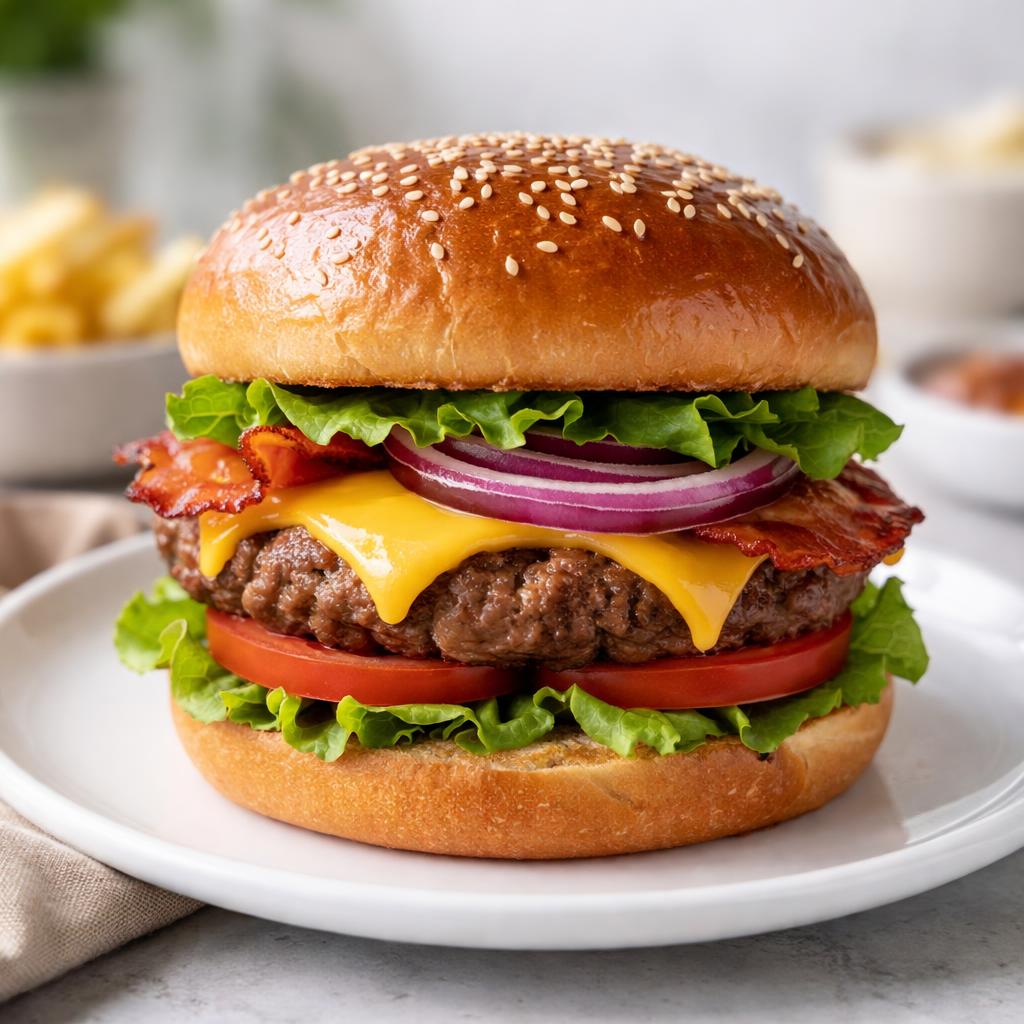
Cheeseburger
🎯 Quick Verdict
Milk and cheeseburger are nutritionally distinct: milk is lower in calories and fat while offering more protein per serving, making it a solid choice for muscle maintenance and hydration. Cheeseburger is higher in calories, provides more fiber, and includes beneficial fats, making it better for calorie-dense meals or sustained energy. Both have unique use cases depending on your dietary needs.

Smart Nutrition Tracking with SnapCalorie

📊 Nutritional Comparison
Macronutrients
| Nutrient | Food 1 | Food 2 | Winner |
|---|---|---|---|
| Calories | 100 (1 cup) | 300 (1 cheeseburger) | ✓ |
| Protein | 8g | 12g | ✓ |
| Carbs | 11g | 33g | ✓ |
| Fat | 2.5g | 15g | ✓ |
| Fiber | 0g | 2g | ✓ |
Vitamins & Minerals
| Nutrient | Food 1 | Food 2 | Winner |
|---|---|---|---|
| Vitamin D | 2.5mcg | 0mcg | ✓ |
| Calcium | 300mg | 100mg | ✓ |
| Iron | 0mg | 1mg | ✓ |
🏆 Category Winners
Protein
Cheeseburger contains 50% more protein than milk per serving.
Fiber
With 2g of fiber per cheeseburger, it outperforms milk which has no fiber.
Calories
Milk has lower calories (100 per cup), compared to the cheeseburger (300 per item).
🥗 Diet Compatibility
Keto
Food 1: Not Compatible
Food 2: Partially Compatible
Food1 has relatively high carbs (11g per serving), while Food2 provides protein and fats but is not strictly low-carb.
Vegan
Food 1: Not Compatible
Food 2: Not Compatible
Both are animal-based products.
Gluten Free
Food 1: Compatible
Food 2: Not Compatible
Milk contains no gluten, while cheeseburger likely contains gluten in the bun.
Paleo
Food 1: Not Compatible
Food 2: Not Compatible
Neither conforms strictly to paleo guidelines due to dairy and processed components.
Low Carb
Food 1: Partially Compatible
Food 2: Not Compatible
While milk has fewer calories, its 11g of carbs makes it only partially suitable for low-carb diets.
💪 Health Benefits Comparison
Food 1 Benefits
- Rich in calcium for strong bones.
- Excellent source of vitamin D for immunity and bone health.
- Provides high-quality protein for muscle building.
Food 2 Benefits
- Contains iron for oxygen transportation in the blood.
- Provides a good balance of carbohydrates and fats for sustained energy.
- Includes fiber from the bun and vegetables for better digestion.
✅ The Bottom Line
Choose milk if you need a lower-calorie option with more calcium and vitamin D, especially for muscle support. Opt for cheeseburger when you need a filling, energy-dense meal or a good source of iron and fiber.
Choose Food 1 for: Snacks, muscle recovery, hydration
Choose Food 2 for: High-energy meals, iron intake, digestion support


