Milk VS Cereal With Milk
A detailed nutritional comparison
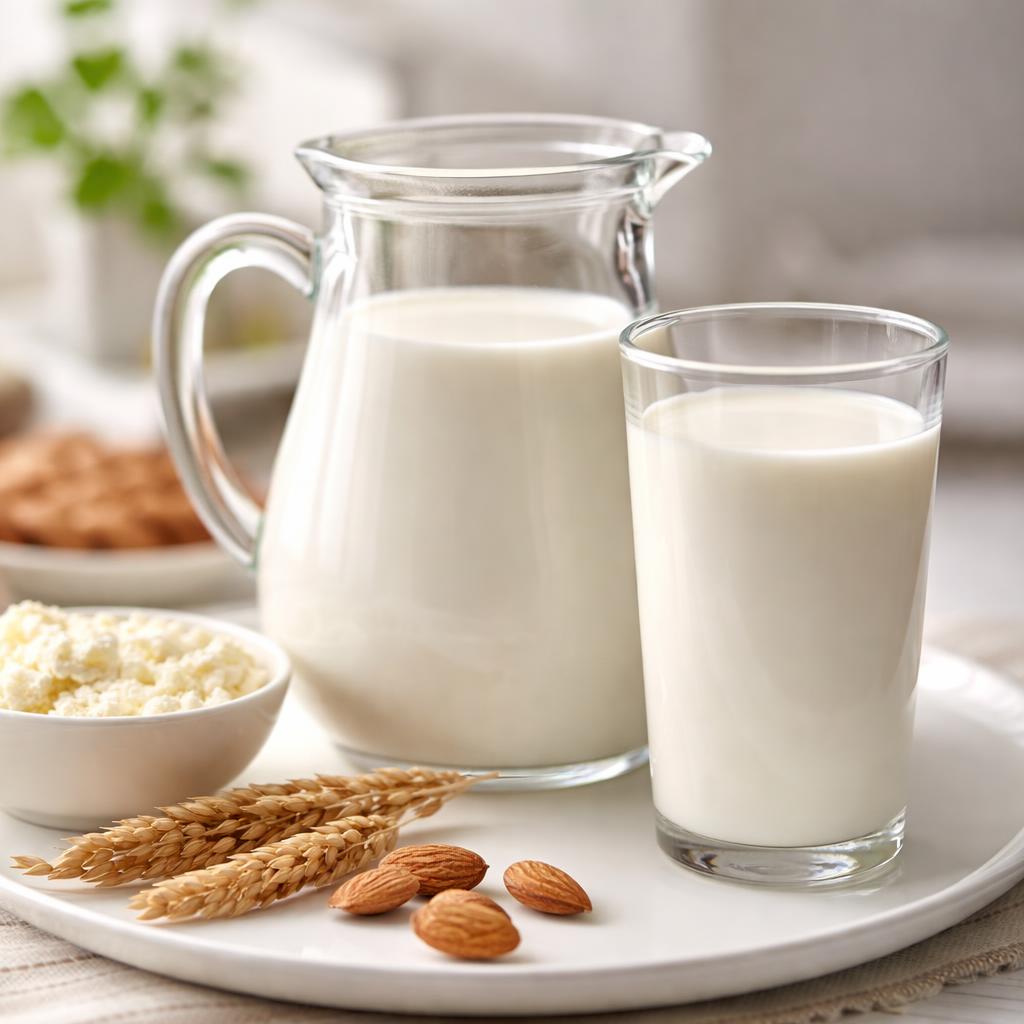
Milk
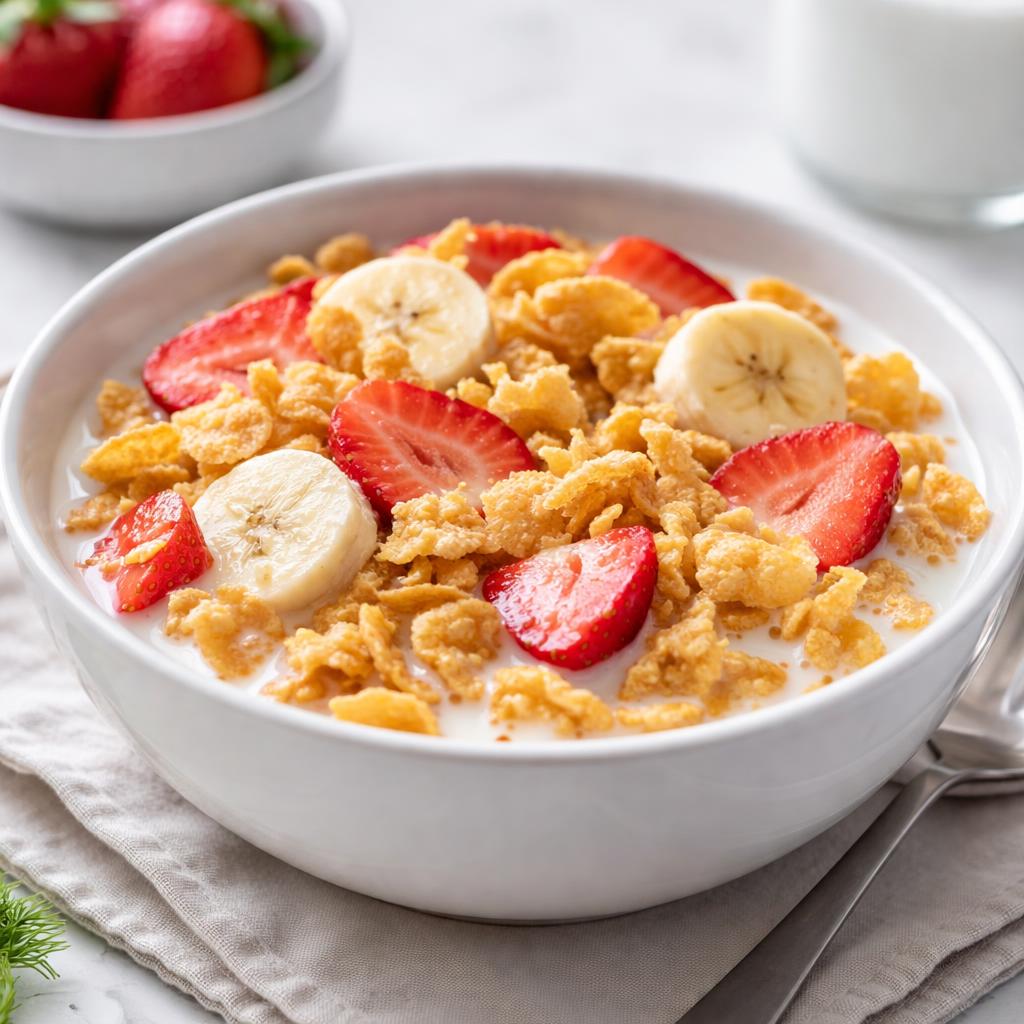
Cereal With Milk
🎯 Quick Verdict
Milk is higher in protein and lower in calories compared to cereal with milk. However, cereal with milk provides significantly more fiber and carbohydrates, making it ideal for sustained energy and meal replacement. Milk is better for supporting muscle protein synthesis and is a lower-calorie option for weight management, while cereal with milk offers a more balanced and nutrient-dense meal for breakfast or snacks.

Smart Nutrition Tracking with SnapCalorie

📊 Nutritional Comparison
Macronutrients
| Nutrient | Food 1 | Food 2 | Winner |
|---|---|---|---|
| Calories | 103 (1 cup whole milk) | 200 (1 cup cereal + 1 cup milk) | ✓ |
| Protein | 8g | 6g | ✓ |
| Carbs | 12g | 35g | ✓ |
| Fat | 2.4g | 4g | ✓ |
| Fiber | 0g | 2g | ✓ |
Vitamins & Minerals
| Nutrient | Food 1 | Food 2 | Winner |
|---|---|---|---|
| Vitamin D | 2.5mcg | 2.5mcg | − |
| Calcium | 305mg | 400mg | ✓ |
| Iron | 0mg | 9mg (from fortified cereal) | ✓ |
🏆 Category Winners
Protein
Milk provides 33% more protein per serving than cereal with milk.
Fiber
Cereal with milk contains added fiber from the cereal, while milk has none.
Calories
Milk has 48% fewer calories per serving compared to cereal with milk.
Vitamins
Cereal with milk offers fortified nutrients like iron and calcium that milk alone does not.
🥗 Diet Compatibility
Keto
Food 1: Not Compatible
Food 2: Not Compatible
Both foods are high in carbs due to lactose and cereal content.
Vegan
Food 1: Not Compatible
Food 2: Not Compatible
Milk is inherently non-vegan.
Gluten Free
Food 1: Compatible
Food 2: Depends
Milk is naturally gluten-free, but certain cereals may contain gluten.
Paleo
Food 1: Not Compatible
Food 2: Not Compatible
Milk and cereals are excluded in strict paleo diets.
Low-Carb
Food 1: Not Compatible
Food 2: Not Compatible
Both options are relatively high in carbohydrates.
💪 Health Benefits Comparison
Food 1 Benefits
- Rich in high-quality protein for muscle repair and growth
- Excellent source of calcium for bone health
- Provides vitamin D for enhanced calcium absorption and immune support
Food 2 Benefits
- Contains fiber for better digestion and gut health
- Fortified with iron to support oxygen transport in the blood
- Provides sustained energy due to higher carbohydrate content
✅ The Bottom Line
Milk is a lower-calorie, protein-rich option that is ideal for muscle repair or as a snack. Cereal with milk is a more nutrient-dense and balanced option suitable for breakfast or meal replacement due to its higher fiber and carbohydrate content along with fortified vitamins and minerals.
Choose Food 1 for: Weight management, post-workout recovery, bone health
Choose Food 2 for: Breakfast, sustained energy, general nutrient intake


