Milk VS Cereal
A detailed nutritional comparison
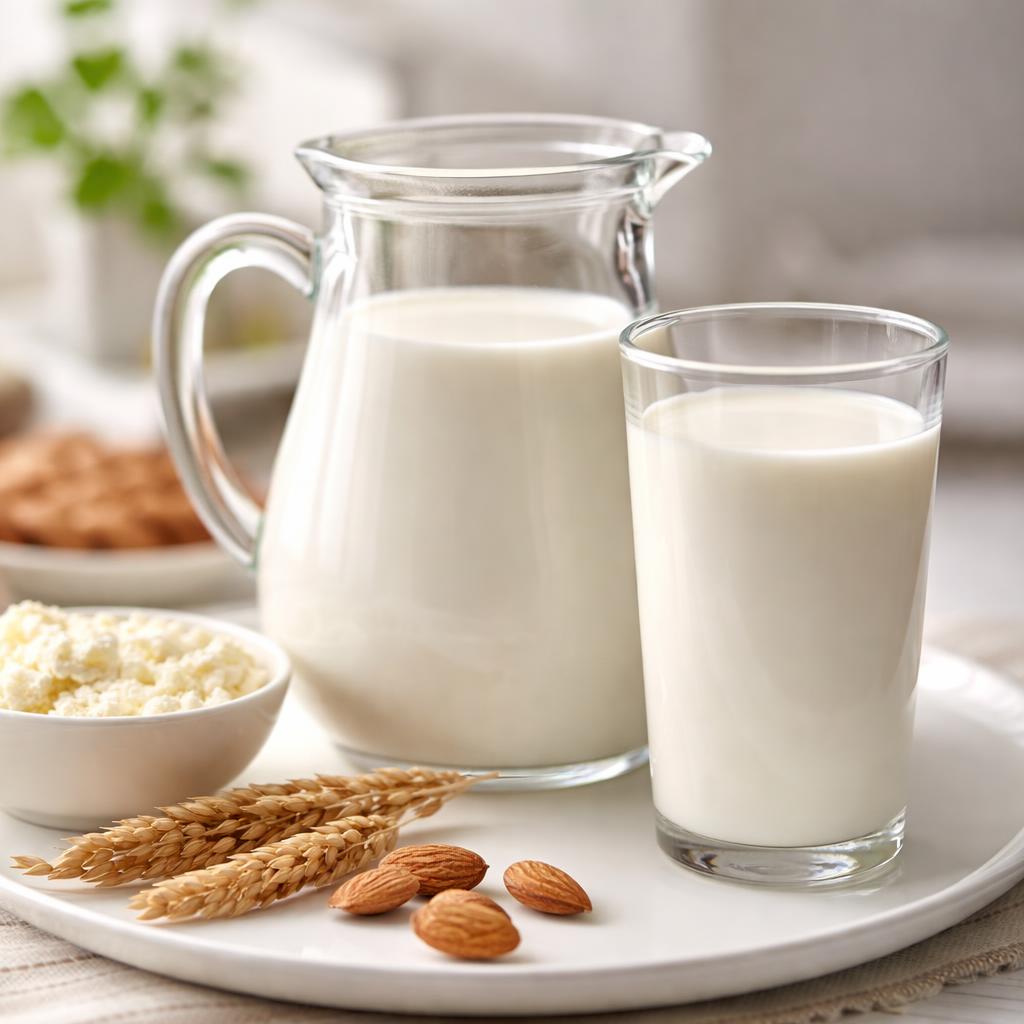
Milk
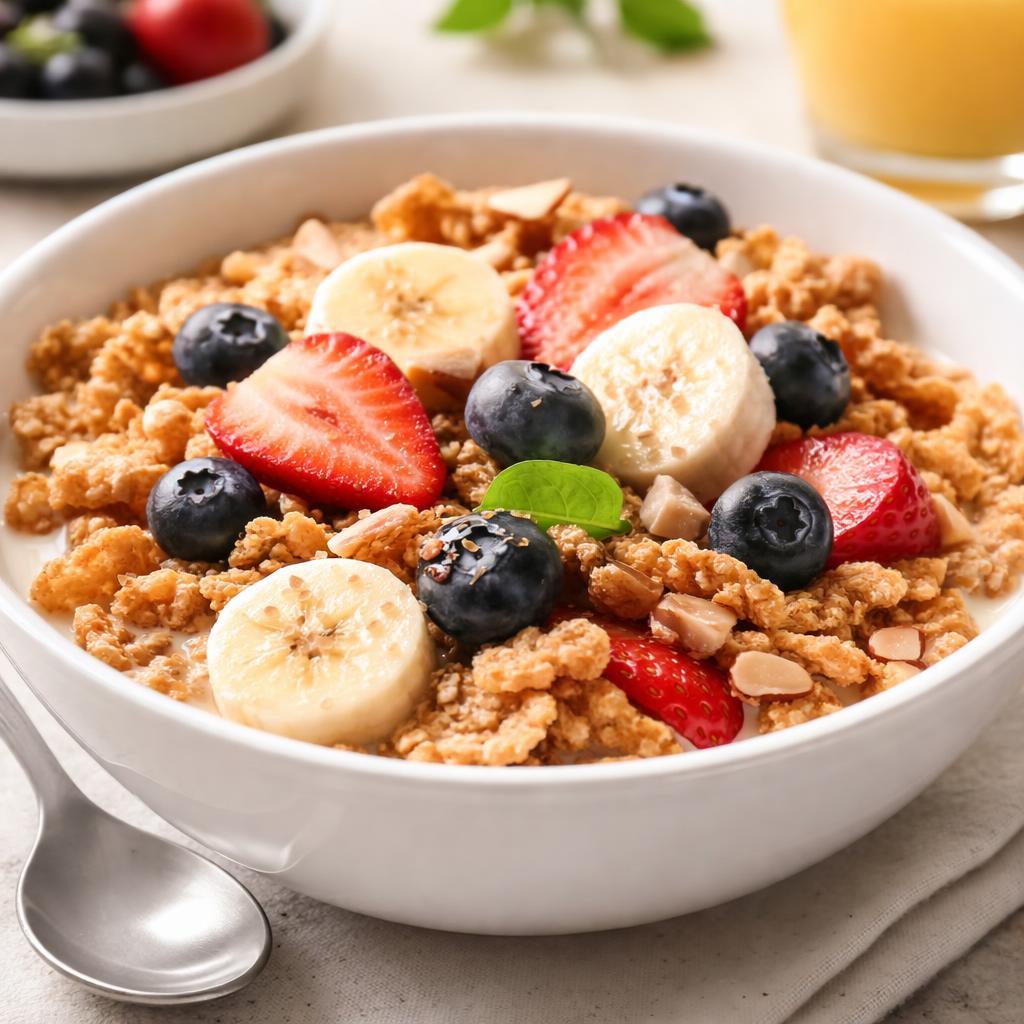
Cereal
🎯 Quick Verdict
Milk is higher in protein and provides key vitamins like calcium and vitamin D, making it ideal for muscle growth and bone health. Cereal is higher in fiber and carbohydrates, which are beneficial for energy and digestion. Both can complement each other in balanced meals or snacks, such as breakfast combinations.

Smart Nutrition Tracking with SnapCalorie

📊 Nutritional Comparison
Macronutrients
| Nutrient | Food 1 | Food 2 | Winner |
|---|---|---|---|
| Calories | 150 | 150 | − |
| Protein | 8g | 2g | ✓ |
| Carbs | 12g | 28g | ✓ |
| Fat | 5g | 1g | ✓ |
| Fiber | 0g | 3g | ✓ |
Vitamins & Minerals
| Nutrient | Food 1 | Food 2 | Winner |
|---|---|---|---|
| Vitamin D | 2.5mcg | 0mcg | ✓ |
| Calcium | 300mg | 30mg | ✓ |
| Iron | 0mg | 8mg | ✓ |
| Vitamin B12 | 1.2mcg | 0mcg | ✓ |
🏆 Category Winners
Protein
Milk provides 4 times more protein per serving than cereal.
Fiber
Cereal offers 3g of fiber per serving compared to milk's 0g.
Calories
Both have similar caloric values per serving.
Vitamins
Milk is richer in calcium, vitamin D, and vitamin B12, important for bone health and energy metabolism.
🥗 Diet Compatibility
Keto
Food 1: Compatible
Food 2: Not Compatible
Milk is lower-carb (12g per serving) while cereal is high in carbs (28g per serving).
Vegan
Food 1: Not Compatible
Food 2: Compatible
Cereal is plant-based, but milk is derived from animals.
Gluten Free
Food 1: Compatible
Food 2: Varies
Most milk is gluten-free. Cereal may or may not contain gluten depending on the type (e.g., wheat-based).
Paleo
Food 1: Not Compatible
Food 2: Not Compatible
Neither aligns with paleo principles due to dairy in milk and processed ingredients in most cereals.
Low Carb
Food 1: Compatible
Food 2: Not Compatible
Milk has a moderate carb content (12g), while cereal is very high in carbs (28g).
💪 Health Benefits Comparison
Food 1 Benefits
- Excellent source of calcium for strong bones and teeth
- High protein content supports muscle repair and growth
- Rich in vitamin D, critical for calcium absorption and immune health
Food 2 Benefits
- Rich in fiber to aid digestion and improve gut health
- Provides sustained energy through complex carbohydrates
- Fortified with iron for oxygen transport and energy production
✅ The Bottom Line
Milk is ideal for individuals seeking a higher protein option to support muscle repair and bone health. Cereal is better suited for those seeking a high-carb, fiber-rich choice for sustained energy and improved digestion. Pairing both foods together can create a balanced meal, perfect for breakfast or snacks.
Choose Food 1 for: Muscle growth, bone health, post-workout recovery
Choose Food 2 for: Breakfast energy, digestive health, higher fiber needs


