Milk VS Cappuccino
A detailed nutritional comparison
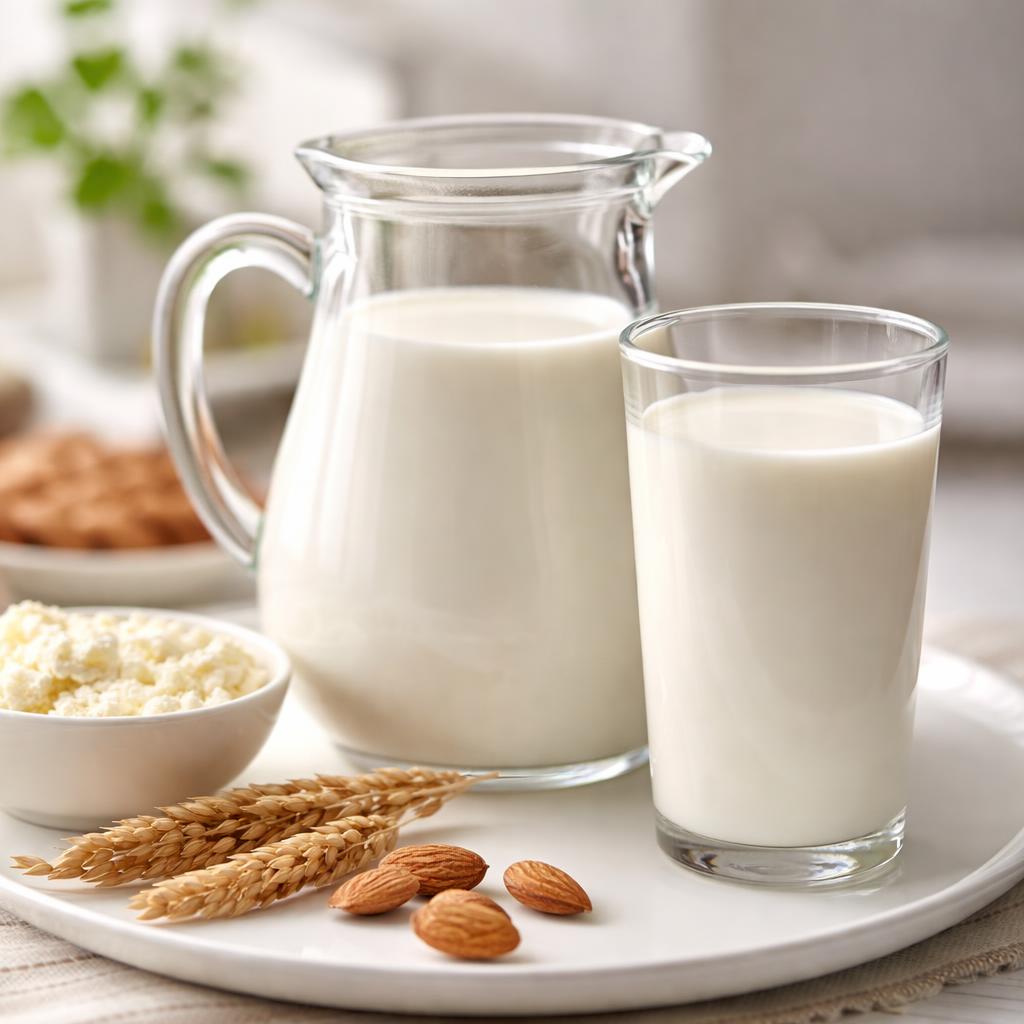
Milk

Cappuccino
🎯 Quick Verdict
Milk and cappuccino differ significantly in nutrition. Milk provides more protein and is lower in calories, making it great for muscle support and general hydration. Cappuccino, despite a higher calorie count, offers a boost of caffeine for energy and focus but lacks substantial nutrients compared to milk.

Smart Nutrition Tracking with SnapCalorie

📊 Nutritional Comparison
Macronutrients
| Nutrient | Food 1 | Food 2 | Winner |
|---|---|---|---|
| Calories | 103 (per 240ml) | 130 (per 240ml) | − |
| Protein | 8g | 2g | − |
| Carbs | 12g | 10g | − |
| Fat | 2.4g | 5g | − |
| Fiber | 0g | 0g | − |
Vitamins & Minerals
| Nutrient | Food 1 | Food 2 | Winner |
|---|---|---|---|
| Vitamin D | 2.5mcg | 0mcg | − |
| Calcium | 300mg | 200mg | − |
| Iron | 0.1mg | 0.3mg | − |
🏆 Category Winners
Protein
Milk provides 4 times more protein, essential for muscle building and repair.
Fiber
Neither milk nor cappuccino contains dietary fiber.
Calories
Milk has 21% fewer calories per serving compared to cappuccino.
Vitamins
Milk is a richer source of Vitamin D and calcium which support bone health.
🥗 Diet Compatibility
Keto
Food 1: Not Compatible
Food 2: Not Compatible
Both contain relatively high carbs (12g for milk, 10g for cappuccino).
Vegan
Food 1: Not Compatible
Food 2: Compatible
Cappuccino can be made compatible if plant-based milk is used.
Gluten Free
Food 1: Compatible
Food 2: Compatible
Neither milk nor cappuccino typically contains gluten.
Paleo
Food 1: Not Compatible
Food 2: Compatible with modifications
Milk is not compliant; cappuccino can be adjusted using plant milks.
Low-Carb
Food 1: Not Compatible
Food 2: Compatible
Milk has higher carbs compared to cappuccino.
💪 Health Benefits Comparison
Food 1 Benefits
- Rich source of calcium for strong bones and teeth
- Provides quality protein to aid muscle repair and growth
- Contains Vitamin D, essential for immune function and bone health
Food 2 Benefits
- Provides caffeine for improved alertness and focus
- Contains small amounts of antioxidants from coffee
- Offers healthy fats (if whole milk or alternatives are used)
✅ The Bottom Line
Choose milk for its high nutritional value, protein content, and bone-supportive properties. Opt for cappuccino if you need a low-key energy boost with a touch of indulgence but are less focused on nutrition.
Choose Food 1 for: Muscle repair, bone health, daily hydration
Choose Food 2 for: Energy boost, mental focus, coffee lovers


