Milk VS Calamari
A detailed nutritional comparison
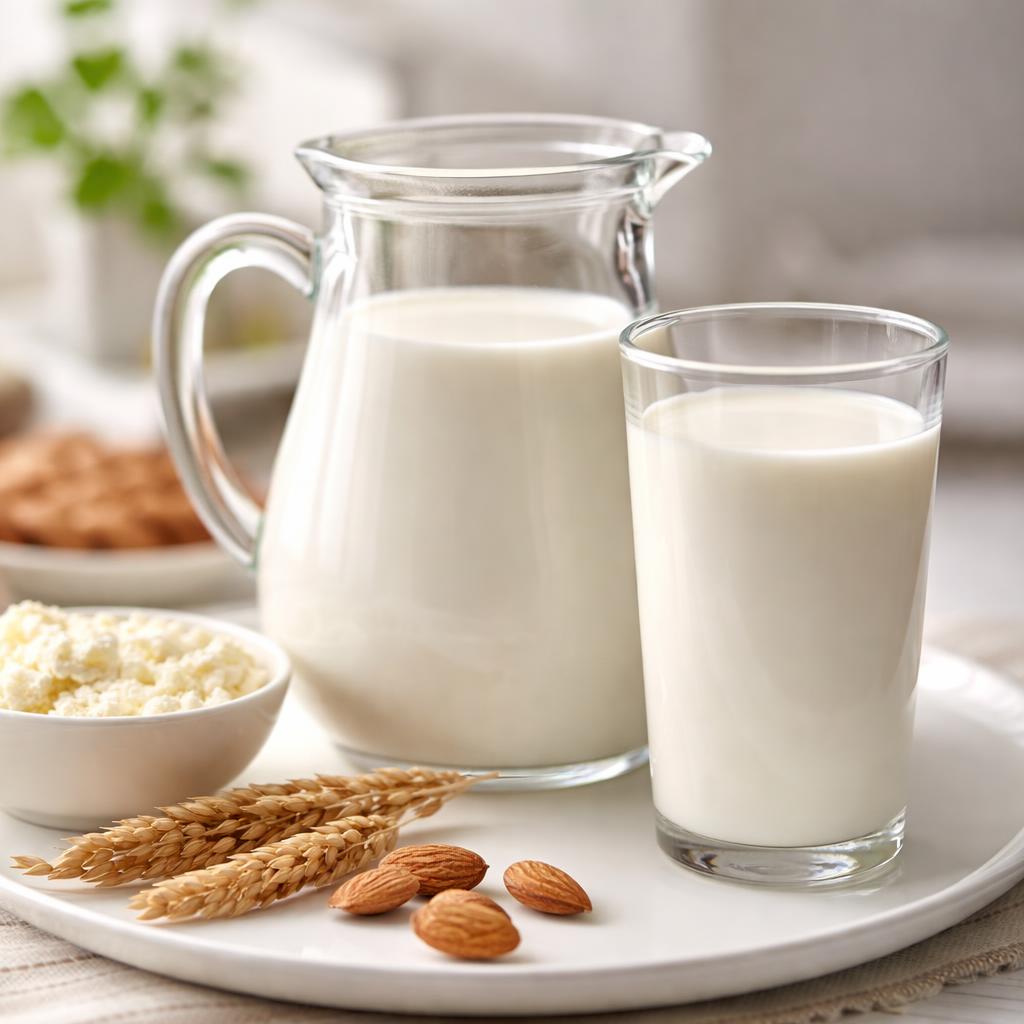
Milk
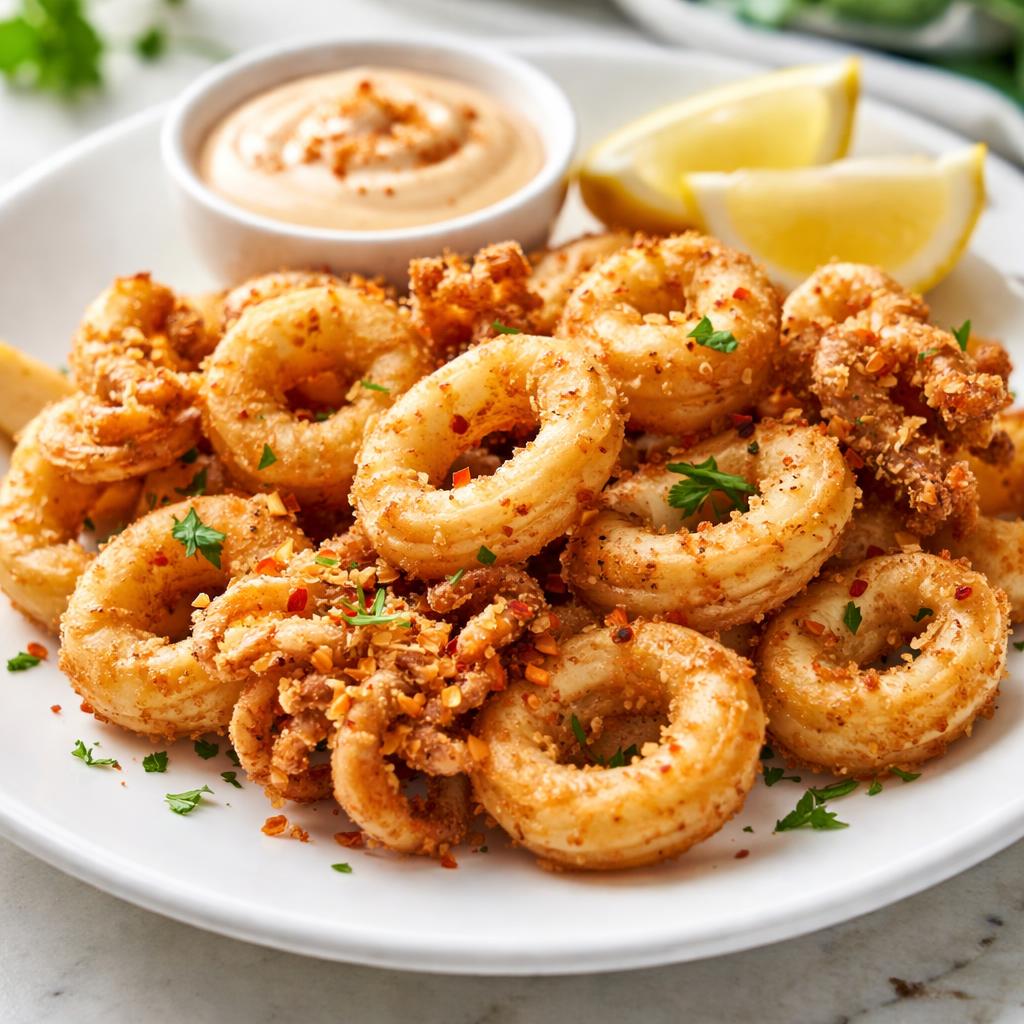
Calamari
🎯 Quick Verdict
Milk and calamari have distinct nutritional profiles. Calamari excels in protein content, making it ideal for muscle growth and recovery, while milk is lower in calories and provides essential vitamins and minerals like calcium. Milk suits vegetarians and those seeking bone health, whereas calamari is great for nutrient-dense, high-protein meals.

Smart Nutrition Tracking with SnapCalorie

📊 Nutritional Comparison
Macronutrients
| Nutrient | Food 1 | Food 2 | Winner |
|---|---|---|---|
| Calories | 103 (1 cup of 2% milk) | 149 (3 oz cooked calamari) | ✓ |
| Protein | 8g | 15g | ✓ |
| Carbs | 12g | 3g | ✓ |
| Fat | 2.4g | 3g | ✓ |
| Fiber | 0g | 0g | − |
Vitamins & Minerals
| Nutrient | Food 1 | Food 2 | Winner |
|---|---|---|---|
| Vitamin D | 2.4mcg | 0mcg | ✓ |
| Calcium | 305mg | 33mg | ✓ |
| Iron | 0mg | 0.9mg | ✓ |
🏆 Category Winners
Protein
Calamari contains almost double the protein compared to milk per serving.
Fiber
Neither food contains any fiber.
Calories
Milk is significantly lower in calories per serving compared to calamari.
Vitamins
Milk has higher levels of calcium and Vitamin D, essential for bone health.
🥗 Diet Compatibility
Keto
Food 1: Not Compatible
Food 2: Compatible
Milk contains moderate carbohydrates, while calamari is low-carb.
Vegan
Food 1: Not Compatible
Food 2: Not Compatible
Both foods are animal-based products and not suitable for vegans.
Gluten Free
Food 1: Compatible
Food 2: Compatible
Neither food contains gluten.
Paleo
Food 1: Not Compatible
Food 2: Compatible
Calamari aligns with paleo dietary principles, whereas milk does not.
Low-Carb
Food 1: Not Compatible
Food 2: Compatible
Milk has considerable carbohydrates, while calamari is low in carbs.
💪 Health Benefits Comparison
Food 1 Benefits
- Rich in calcium for strong bones and teeth
- Good source of Vitamin D for immune and bone health
- Provides high-quality protein for overall health
Food 2 Benefits
- High in protein supporting muscle growth and repair
- Provides iron for improved oxygen delivery in the body
- Low in calories yet nutrient-dense
✅ The Bottom Line
Milk and calamari serve different dietary purposes. Milk is excellent for those seeking bone health, hydration, and moderate protein, while calamari is better for high-protein, low-carb diets, particularly keto or paleo plans.
Choose Food 1 for: Bone health, post-workout recovery, vegetarian-friendly diets
Choose Food 2 for: Keto or paleo diets, muscle-building, nutrient-dense meals


