Milk VS Buckwheat
A detailed nutritional comparison
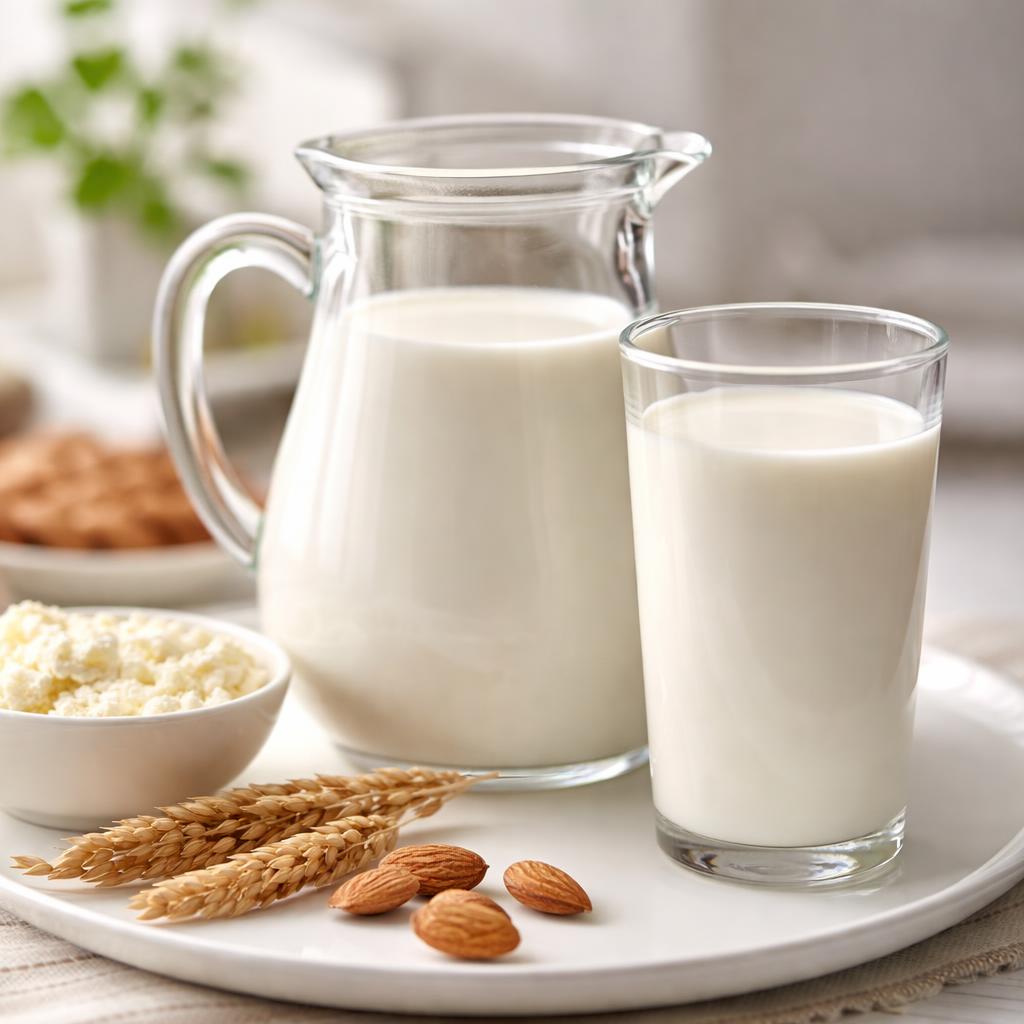
Milk
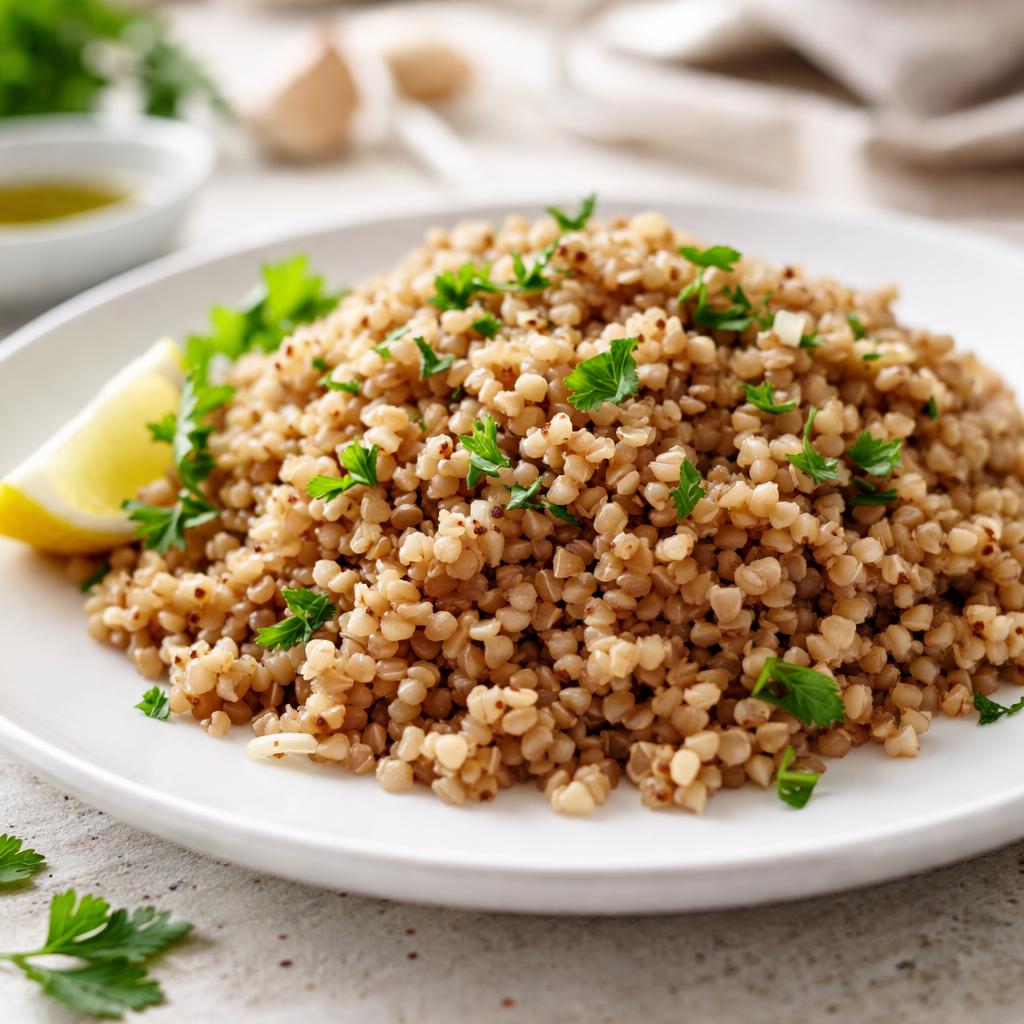
Buckwheat
🎯 Quick Verdict
Milk and buckwheat are nutritionally distinct, catering to different dietary needs. Milk is higher in protein and contains fewer calories, making it ideal for muscle maintenance and weight-conscious diets, while buckwheat is higher in fiber, more nutrient-dense, and suits plant-based eating patterns. Milk is best for quick post-workout recovery, whereas buckwheat excels in energy-sustaining meals.

Smart Nutrition Tracking with SnapCalorie

📊 Nutritional Comparison
Macronutrients
| Nutrient | Food 1 | Food 2 | Winner |
|---|---|---|---|
| Calories | 122 kcal (per cup, 2% milk) | 155 kcal (per cooked cup) | ✓ |
| Protein | 8g | 5.68g | ✓ |
| Carbs | 12g | 33.5g | ✓ |
| Fat | 5g | 1.04g | ✓ |
| Fiber | 0g | 4.5g | ✓ |
Vitamins & Minerals
| Nutrient | Food 1 | Food 2 | Winner |
|---|---|---|---|
| Vitamin D | 2.5mcg | 0mcg | ✓ |
| Calcium | 305mg | 17mg | ✓ |
| Iron | 0.1mg | 1.1mg | ✓ |
| Vitamin B6 | 0.07mg | 0.1mg | ✓ |
| Magnesium | 24mg | 86mg | ✓ |
🏆 Category Winners
Protein
Milk has 40% more protein per serving compared to buckwheat.
Fiber
Buckwheat contains 4.5g of fiber per serving, while milk contains none.
Calories
Milk has fewer calories (122 kcal compared to 155 kcal per serving).
Vitamins
Buckwheat is richer in minerals like magnesium and iron, making it more nutrient-dense overall.
🥗 Diet Compatibility
Keto
Food 1: Not Compatible
Food 2: Not Compatible
Both have moderate-to-high carbs, exceeding strict keto limits.
Vegan
Food 1: Not Compatible
Food 2: Compatible
Milk is an animal product, while buckwheat is plant-based.
Gluten Free
Food 1: Compatible
Food 2: Compatible
Buckwheat is naturally gluten-free and milk contains no gluten.
Paleo
Food 1: Not Compatible
Food 2: Compatible
Milk is excluded from strict paleo diets, but buckwheat is considered acceptable as a seed-like grain.
Low-Carb
Food 1: Not Compatible
Food 2: Not Compatible
Both foods are relatively high in carbohydrates (milk: 12g, buckwheat: 33.5g per serving).
💪 Health Benefits Comparison
Food 1 Benefits
- Rich in protein to support muscle development and recovery
- Good source of calcium for bone health
- Provides vitamin D for immune and bone health
Food 2 Benefits
- High in fiber to promote healthy digestion
- Contains magnesium to support energy production and nerve functions
- Good source of plant-based iron, benefiting those on vegan diets
✅ The Bottom Line
Milk and buckwheat are excellent choices tailored to different goals. Choose milk if you need a quick boost in protein, fewer calories, and calcium, ideal for post-workout recovery. Opt for buckwheat if you're prioritizing digestive health, sustained energy, or a gluten-free, plant-based nutrient-dense option.
Choose Food 1 for: Post-workout recovery, bone health, high-protein diets
Choose Food 2 for: Plant-based eating, digestive health, energy-rich meals


