Milk VS Boiled Chicken
A detailed nutritional comparison
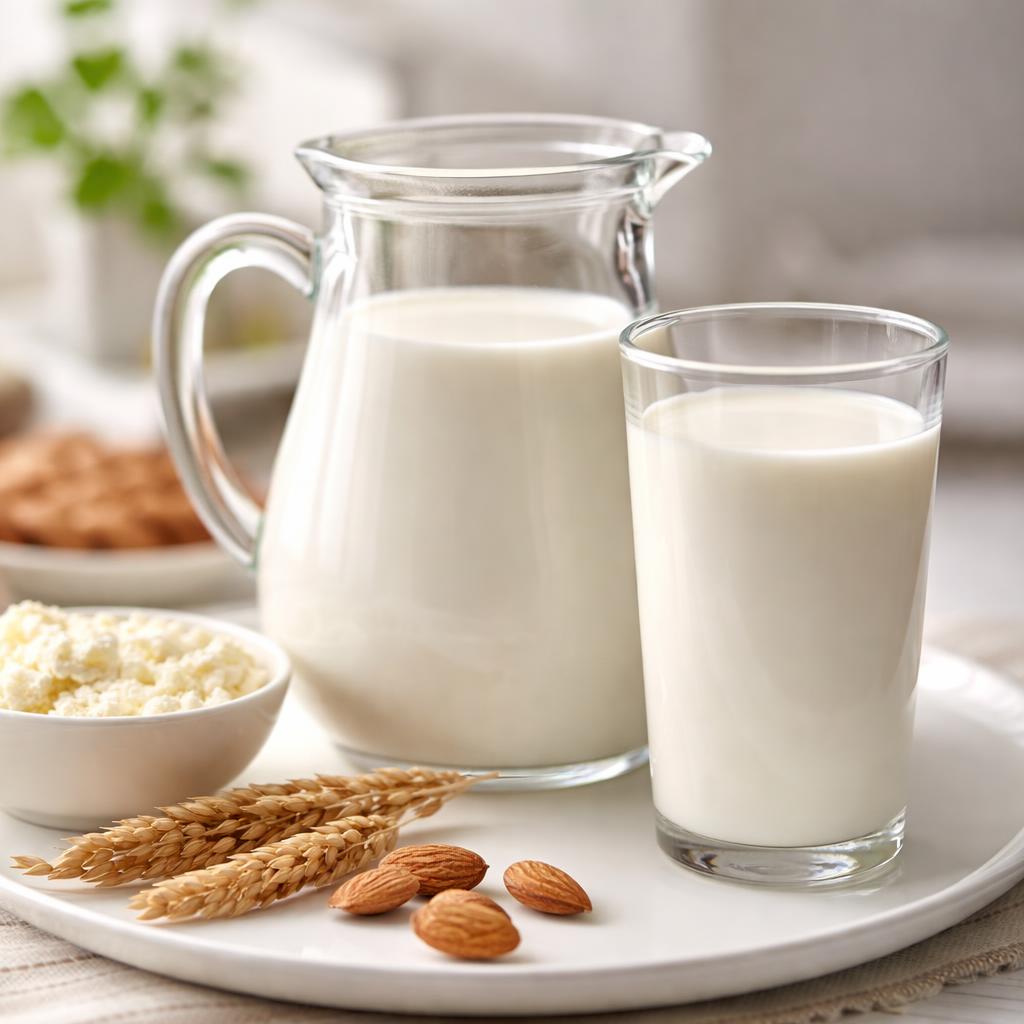
Milk

Boiled Chicken
🎯 Quick Verdict
Boiled chicken is a lean, high-protein food whereas milk offers more diverse nutrients including calcium and vitamin D. Chicken is better for low-calorie, high-protein diets, while milk is ideal for nutrient-rich snacking or pairing with cereals and beverages.

Smart Nutrition Tracking with SnapCalorie

📊 Nutritional Comparison
Macronutrients
| Nutrient | Food 1 | Food 2 | Winner |
|---|---|---|---|
| Calories | 103 (per 1 cup - 240 ml) | 85 (per 3 oz - 85 g) | ✓ |
| Protein | 8g | 26g | ✓ |
| Carbs | 12g | 0g | ✓ |
| Fat | 2.4g | 1.9g | ✓ |
| Fiber | 0g | 0g | − |
Vitamins & Minerals
| Nutrient | Food 1 | Food 2 | Winner |
|---|---|---|---|
| Vitamin D | 2.4mcg | 0mcg | ✓ |
| Calcium | 300mg | 15mg | ✓ |
| Iron | 0.1mg | 0.6mg | ✓ |
🏆 Category Winners
Protein
Boiled chicken packs over 3x more protein per serving compared to milk.
Fiber
Neither food contains fiber.
Calories
Boiled chicken is lower in calories per comparable serving.
Vitamins
Milk offers significantly higher levels of vitamin D and calcium.
🥗 Diet Compatibility
Keto
Food 1: Not Compatible
Food 2: Compatible
Milk has 12g carbs, which may exceed keto limits.
Vegan
Food 1: Not Compatible
Food 2: Not Compatible
Both foods are animal products.
Gluten Free
Food 1: Compatible
Food 2: Compatible
Neither contains gluten.
Paleo
Food 1: Not Compatible
Food 2: Compatible
Milk is excluded from paleo diets as dairy.
Low-Carb
Food 1: Not Compatible
Food 2: Compatible
Milk contains 12g carbs per serving, while chicken has 0g carbs.
💪 Health Benefits Comparison
Food 1 Benefits
- Rich source of calcium for bone health
- Contains vitamin D to support immune function
- Provides potassium for heart and muscle health
Food 2 Benefits
- Outstanding protein content supports muscle building and repair
- Low in fat and calories for weight management
- Provides iron for improved oxygen transport in the body
✅ The Bottom Line
Choose boiled chicken for its high protein, low calorie, and low carb profile, making it ideal for fitness and weight loss goals. Opt for milk when looking to add calcium, vitamin D, and a nutrient-dense snack to your diet.
Choose Food 1 for: Bone health, vitamin and mineral intake, general snacking
Choose Food 2 for: High-protein diets, weight management, post-workout recovery


