Milk VS Blueberry
A detailed nutritional comparison
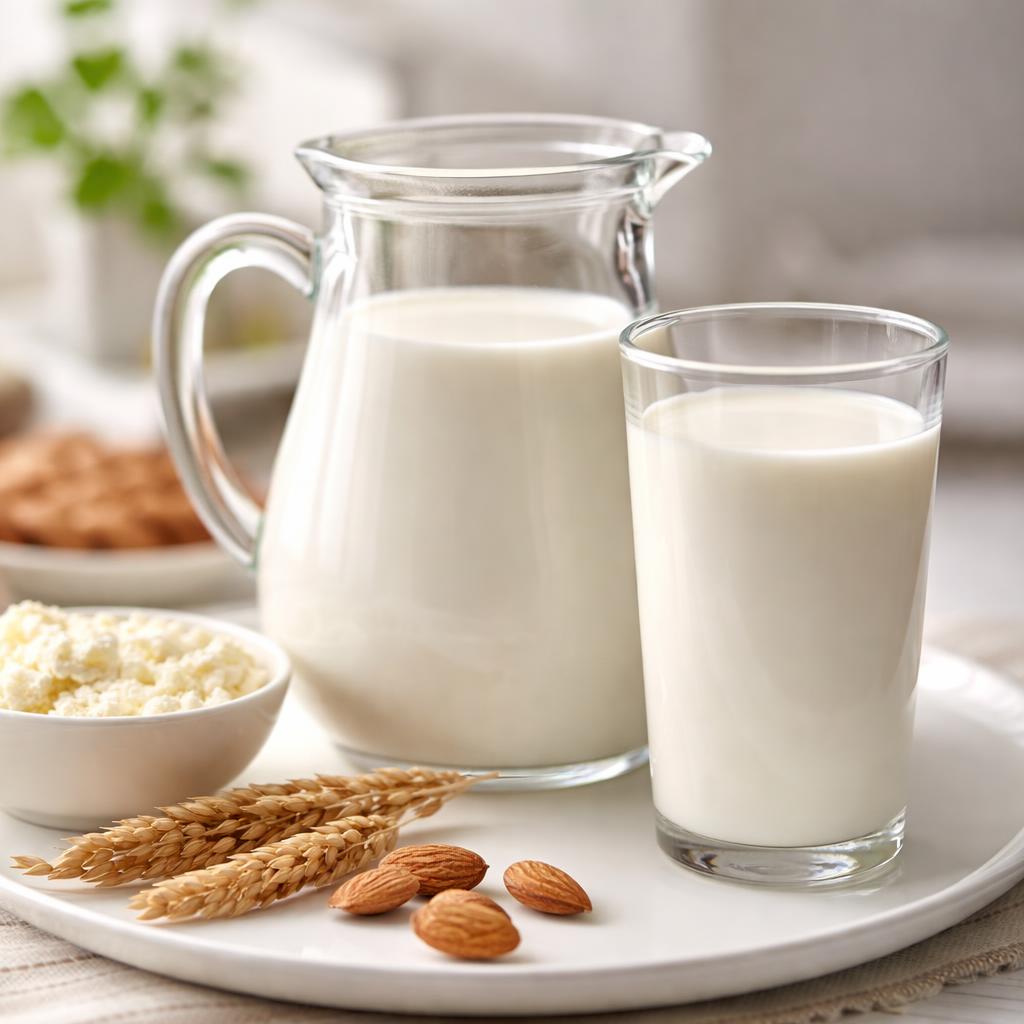
Milk
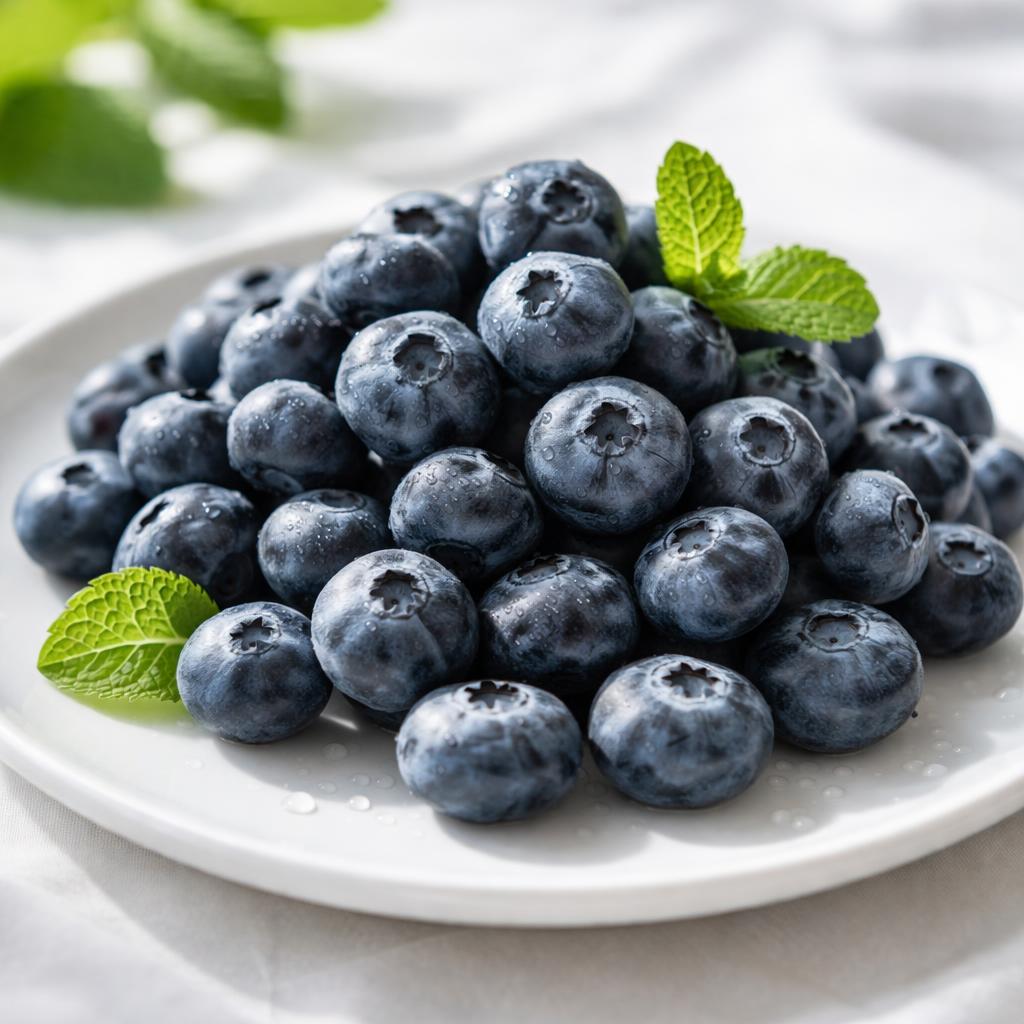
Blueberry
🎯 Quick Verdict
Milk and blueberries serve very different nutritional roles. Milk is higher in protein and calcium, making it ideal for muscle and bone health. Blueberries are lower in calories and rich in fiber and antioxidants, supporting digestion and heart health. Select milk for protein needs and blueberries for their vitamin-packed benefits.

Smart Nutrition Tracking with SnapCalorie

📊 Nutritional Comparison
Macronutrients
| Nutrient | Food 1 | Food 2 | Winner |
|---|---|---|---|
| Calories | 149 | 57 | ✓ |
| Protein | 7.7g | 0.7g | ✓ |
| Carbs | 11.7g | 14.5g | ✓ |
| Fat | 8g | 0.3g | ✓ |
| Fiber | 0g | 2.4g | ✓ |
Vitamins & Minerals
| Nutrient | Food 1 | Food 2 | Winner |
|---|---|---|---|
| Vitamin D | 2.9mcg | 0mcg | ✓ |
| Calcium | 300mg | 6mg | ✓ |
| Iron | 0.1mg | 0.3mg | ✓ |
| Vitamin C | 0mg | 9.7mg | ✓ |
🏆 Category Winners
Protein
Milk provides over 10 times more protein per serving.
Fiber
Blueberries contain 2.4g of fiber per serving, while milk has none.
Calories
Blueberries are significantly lower in calories than milk.
Vitamins
Milk excels in Vitamin D and calcium, while blueberries shine in Vitamin C and antioxidants.
🥗 Diet Compatibility
Keto
Food 1: Compatible
Food 2: Not Compatible
Milk is lower in carbohydrates and fits keto more reliably.
Vegan
Food 1: Not Compatible
Food 2: Compatible
Milk is a dairy product, while blueberries are vegan-friendly.
Gluten Free
Food 1: Compatible
Food 2: Compatible
Both foods are naturally gluten-free.
Paleo
Food 1: Not Compatible
Food 2: Compatible
Milk is excluded in paleo diets, but blueberries are acceptable.
Low-Carb
Food 1: Compatible
Food 2: Not Compatible
Milk has fewer carbs than blueberries, which are higher in natural sugars.
💪 Health Benefits Comparison
Food 1 Benefits
- Rich source of protein for muscle maintenance and repair
- Excellent source of calcium for strong bones and teeth
- Contains Vitamin D for immune and bone health
Food 2 Benefits
- High in antioxidants, supporting cell health and reducing inflammation
- Good source of fiber for digestive health
- Low in calories, aiding weight management
✅ The Bottom Line
Choose milk for protein and calcium needs, especially post-workout or for bone health. Opt for blueberries when you want a nutrient-dense, low-calorie snack rich in fiber and antioxidants. Both can complement a balanced diet depending on goals.
Choose Food 1 for: Muscle repair, bone health, keto or low-carb diets
Choose Food 2 for: Heart health, digestion, weight management, paleo or vegan diets


