Milk VS Biscuit
A detailed nutritional comparison
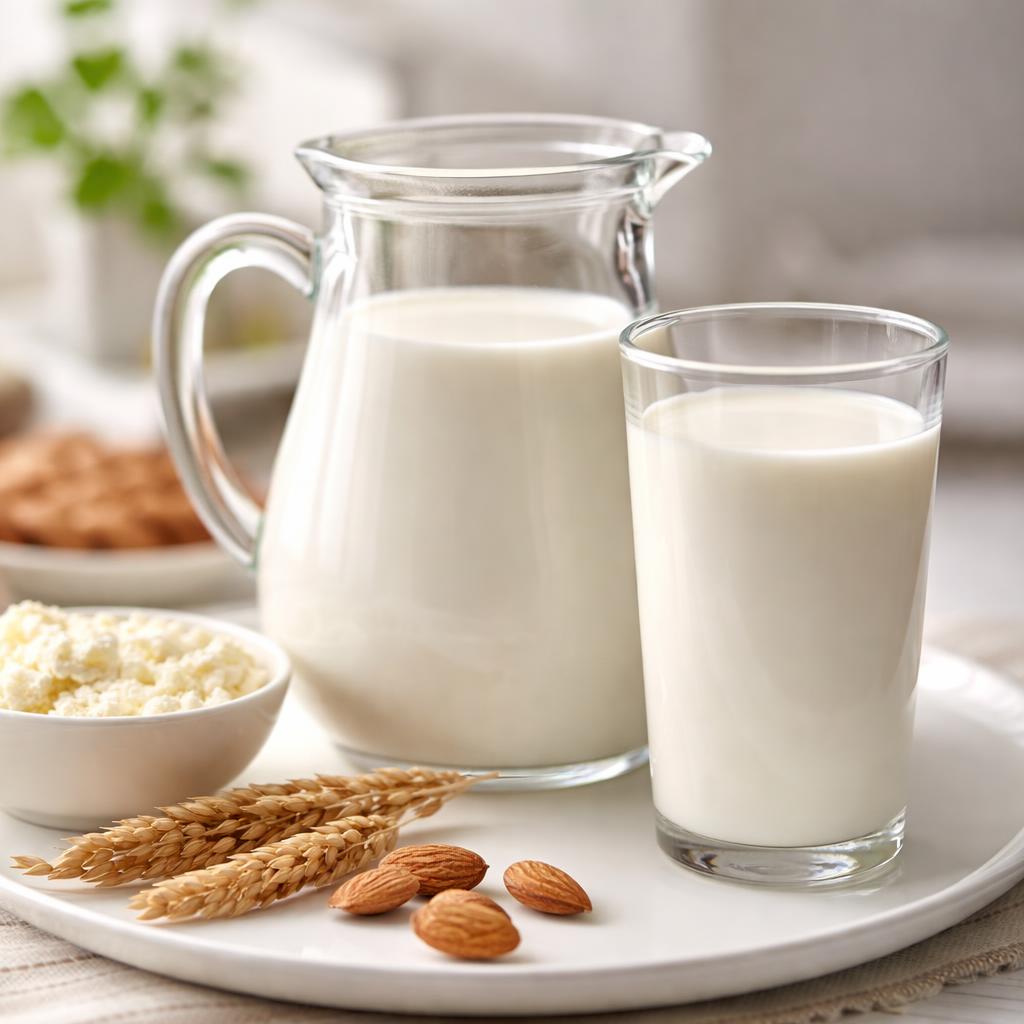
Milk
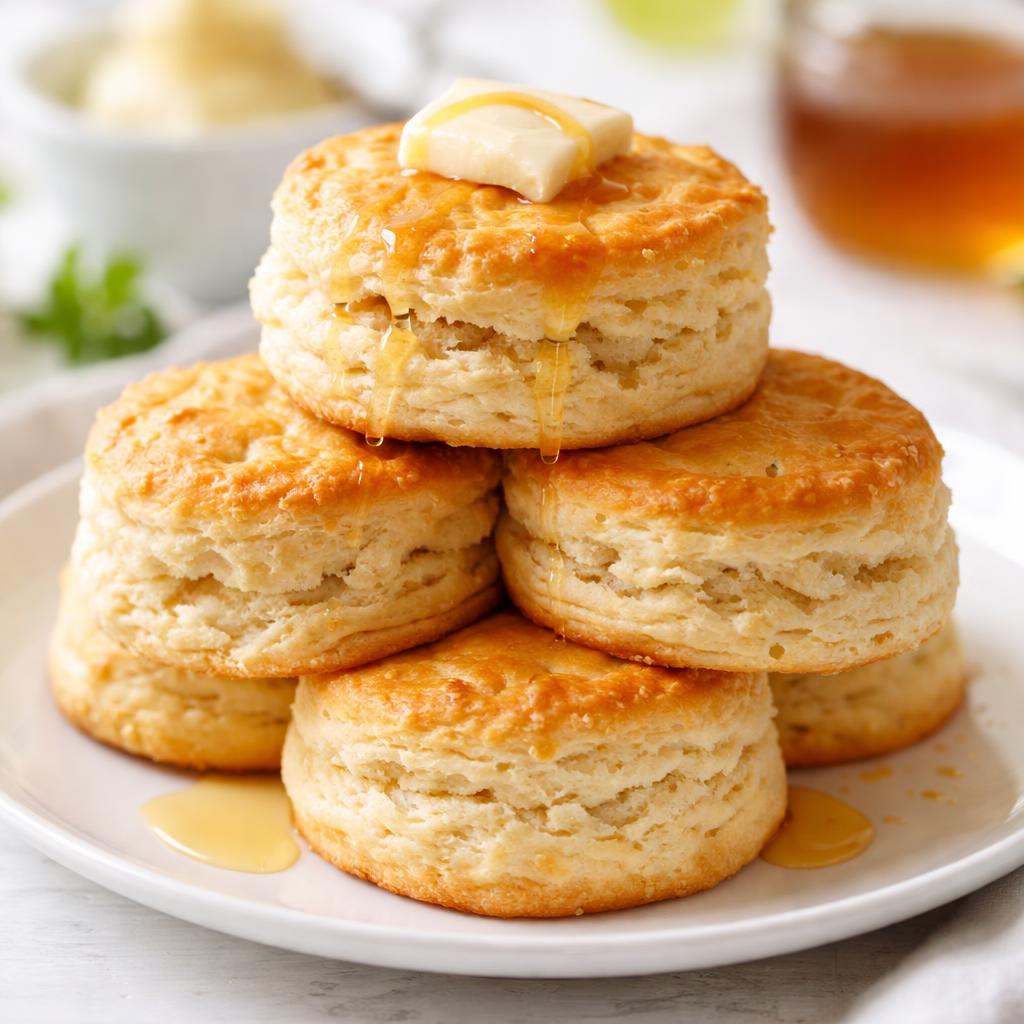
Biscuit
🎯 Quick Verdict
Milk is higher in protein, calcium, and vitamin D, making it ideal for muscle and bone health. Biscuits, on the other hand, are higher in carbohydrates, fiber, and calories, which provide more sustained energy. Milk works well for hydration and nutrition, while biscuits are best used as a snack or quick energy source.

Smart Nutrition Tracking with SnapCalorie

📊 Nutritional Comparison
Macronutrients
| Nutrient | Food 1 | Food 2 | Winner |
|---|---|---|---|
| Calories | 103 | 450 | − |
| Protein | 8g | 6g | − |
| Carbs | 12g | 70g | − |
| Fat | 2.4g | 20g | − |
| Fiber | 0g | 3g | − |
Vitamins & Minerals
| Nutrient | Food 1 | Food 2 | Winner |
|---|---|---|---|
| Vitamin D | 2.5mcg | 0mcg | − |
| Calcium | 305mg | 30mg | − |
| Iron | 0.1mg | 2mg | − |
🏆 Category Winners
Protein
Milk offers approximately 30% more protein per serving compared to biscuits.
Fiber
Biscuits contain 3g of fiber, while milk offers none.
Calories
Milk has nearly four times fewer calories compared to biscuits.
🥗 Diet Compatibility
Keto
Food 1: Compatible
Food 2: Not Compatible
Milk is lower in carbs compared to biscuits.
Vegan
Food 1: Not Compatible
Food 2: Depends on ingredients
Milk is an animal product, while biscuits can be vegan depending on the recipe.
Gluten Free
Food 1: Compatible
Food 2: Not Compatible
Milk is naturally gluten-free, while biscuits are typically made with wheat.
Paleo
Food 1: Not Compatible
Food 2: Not Compatible
Both milk and biscuits are not considered paleo-friendly due to dairy and processed grains.
Low-Carb
Food 1: Compatible
Food 2: Not Compatible
Milk contains 12g of carbs per serving, while biscuits are high at 70g per serving.
💪 Health Benefits Comparison
Food 1 Benefits
- Rich source of protein, benefiting muscle repair and growth
- High levels of calcium improve bone health
- Contains vitamin D for better calcium absorption and immune support
Food 2 Benefits
- Provides sustained energy due to higher carbohydrate content
- Contains fiber for digestive health
- Provides iron for improving oxygen transportation in the blood
✅ The Bottom Line
Milk is a nutrient-dense choice for those prioritizing protein, calcium, and fewer calories, making it a solid option for weight management and muscle recovery. Biscuits, while less balanced, provide quick energy and digestible carbohydrates, making them better suited for active individuals or as occasional snacks.
Choose Food 1 for: Bone health, protein supplementation, post-workout hydration
Choose Food 2 for: Quick energy snacks, higher calorie diets, portable meals


