Milk VS Berries
A detailed nutritional comparison
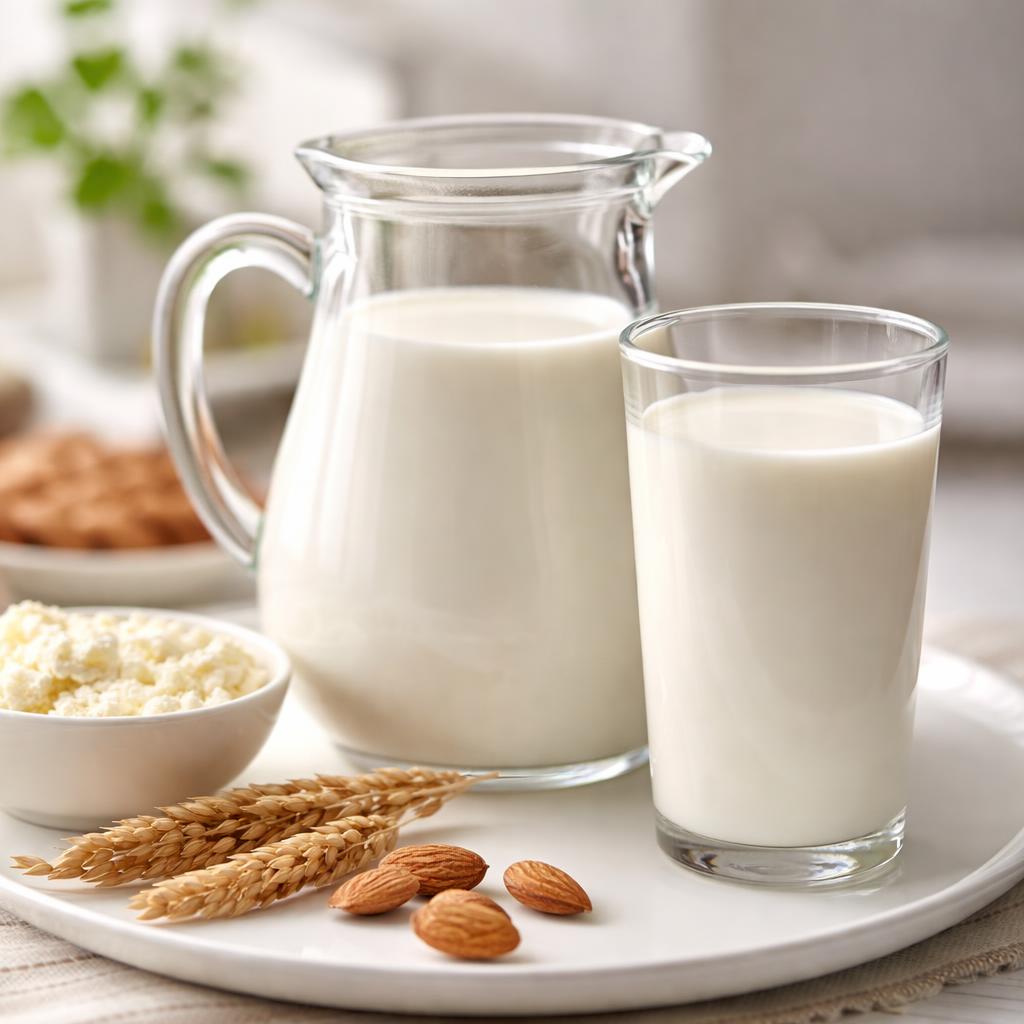
Milk
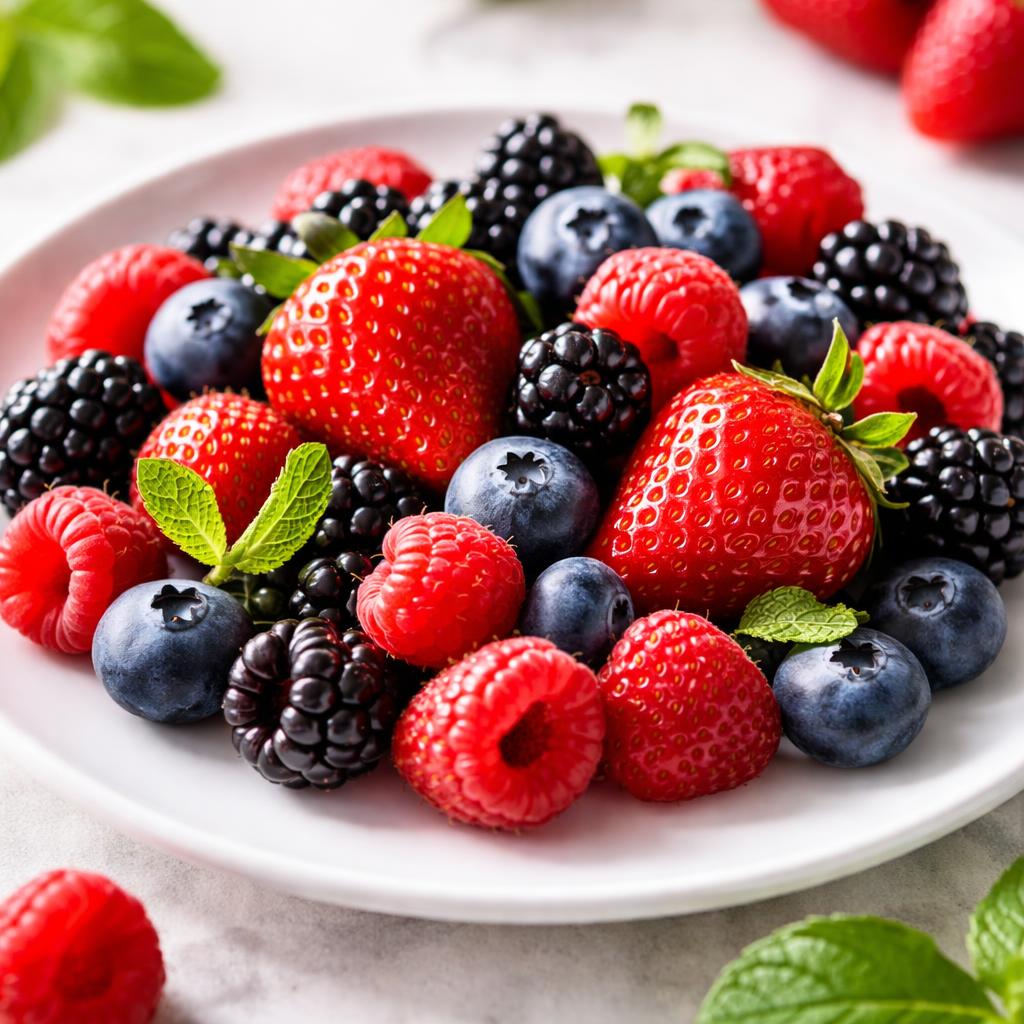
Berries
🎯 Quick Verdict
Milk is higher in protein, calcium, and vitamin D, making it a great option for bone health and muscle maintenance. Berries, on the other hand, are lower in calories, rich in fiber, and packed with antioxidants, ideal for digestion and boosting immune health. Choose milk for nutrition related to strength and development, and berries for a light snack or antioxidant benefits.

Smart Nutrition Tracking with SnapCalorie

📊 Nutritional Comparison
Macronutrients
| Nutrient | Food 1 | Food 2 | Winner |
|---|---|---|---|
| Calories | 103 (per 1 cup, 2% milk) | 64 (per 1 cup, mixed berries) | ✓ |
| Protein | 8g | 1g | ✓ |
| Carbs | 12g | 16g | ✓ |
| Fat | 2.4g | 0.2g | ✓ |
| Fiber | 0g | 4g | ✓ |
Vitamins & Minerals
| Nutrient | Food 1 | Food 2 | Winner |
|---|---|---|---|
| Vitamin D | 2.5mcg | 0mcg | ✓ |
| Calcium | 305mg | 20mg | ✓ |
| Vitamin C | 0mg | 25mg | ✓ |
| Iron | 0.1mg | 0.6mg | ✓ |
🏆 Category Winners
Protein
Milk contains 8g of protein per cup, compared to only 1g found in berries.
Fiber
Berries provide 4g of fiber per serving, supporting digestive health.
Calories
Milk has fewer calories (103) per cup than berries (64) per cup for larger satiety.
Vitamins
Milk is abundant in calcium and vitamin D, whereas berries shine in vitamin C and antioxidants.
🥗 Diet Compatibility
Keto
Food 1: Limited Compatibility
Food 2: Compatible
Milk is moderate in carbs (12g per cup) while berries are lower-carb and more keto-friendly.
Vegan
Food 1: Not Compatible
Food 2: Compatible
Milk is an animal product, but berries are plant-based.
Gluten Free
Food 1: Compatible
Food 2: Compatible
Both foods are naturally gluten-free.
Paleo
Food 1: Not Compatible
Food 2: Compatible
Milk is typically excluded from paleo diets, but berries fit within the guidelines.
Low Carb
Food 1: Not Compatible
Food 2: Compatible
Milk’s moderate carbohydrate content makes it less ideal for low-carb diets compared to berries.
💪 Health Benefits Comparison
Food 1 Benefits
- Rich in calcium for strong bones and teeth
- Good source of vitamin D for bone and immune health
- Provides significant protein for muscle development
- Contains B vitamins for energy metabolism
Food 2 Benefits
- High in fiber for improved digestion and gut health
- Packed with vitamin C for immune system support
- Loaded with antioxidants for reducing inflammation and protecting cells
- Low calorie and nutrient-dense for weight management
✅ The Bottom Line
Milk is optimal for those seeking protein, calcium, and vitamin D, making it ideal for post-workout recovery or bone health. Berries are a fantastic choice for fiber, antioxidants, and vitamin C, offering digestive and immune support. Both complement a balanced diet for different purposes.
Choose Food 1 for: Bone health, muscle recovery, balanced meals, smoothies
Choose Food 2 for: Healthy snacking, digestion, antioxidant boost, dessert toppings


