Mexican Rice VS Rice And Beans
A detailed nutritional comparison
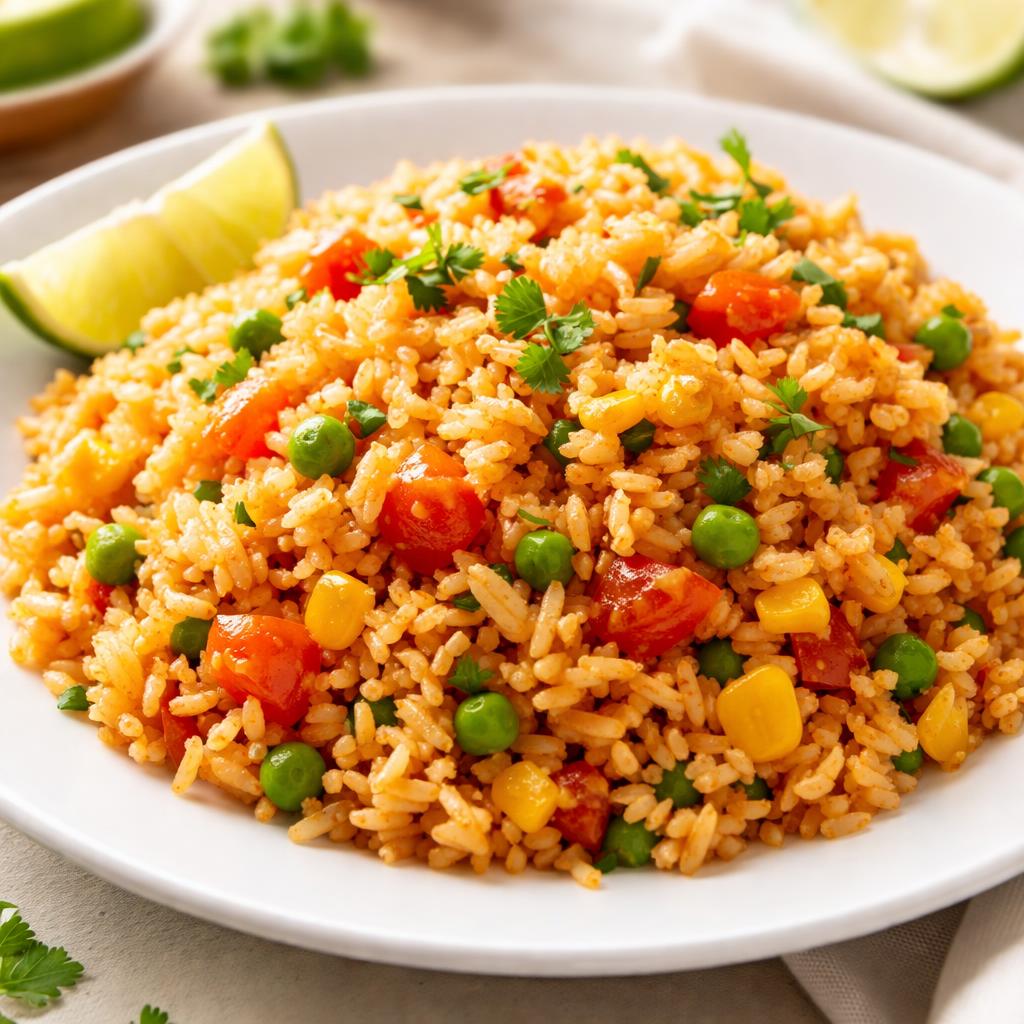
Mexican Rice
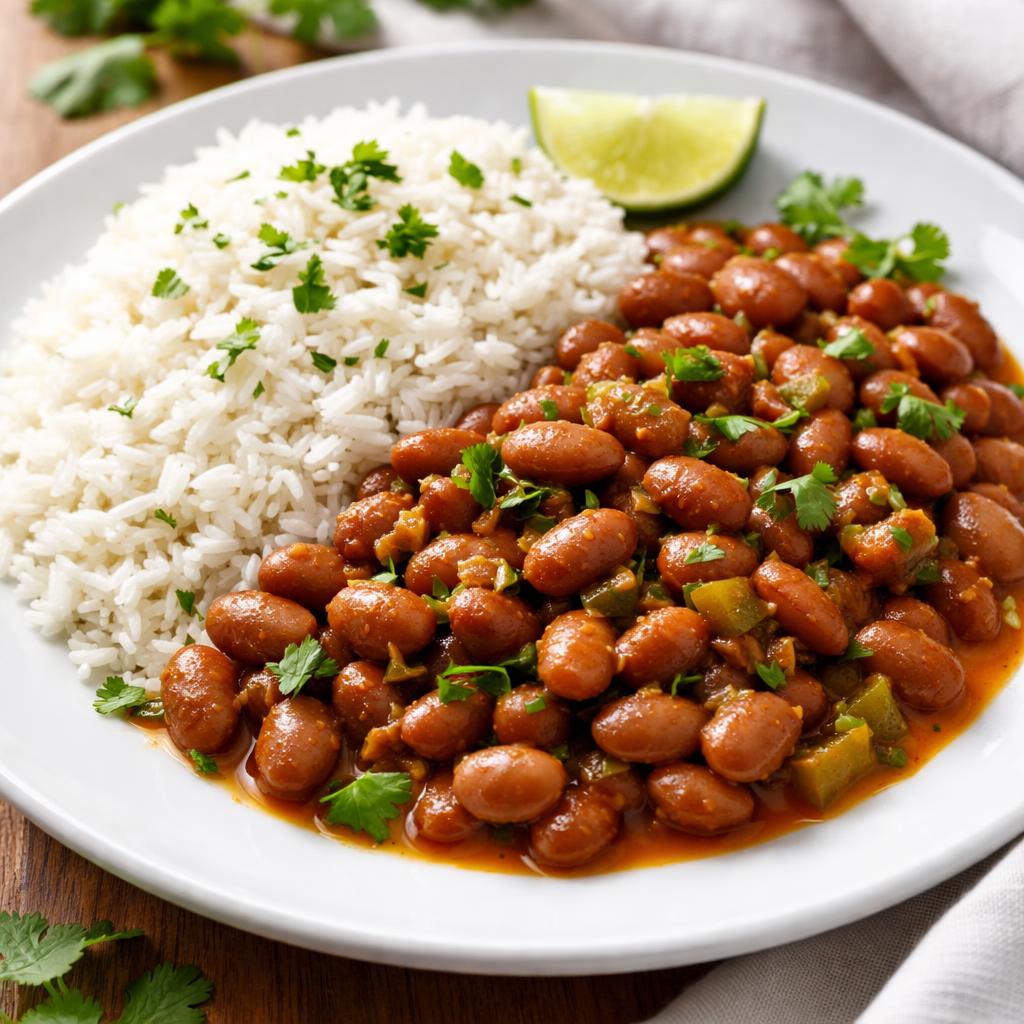
Rice And Beans
🎯 Quick Verdict
Mexican rice is lower in calories and fat while rice and beans excel in protein and fiber, making it more nutritionally dense. Mexican rice is better for lighter meals or as part of a low-calorie diet, while rice and beans are optimal for balanced nutrition and satisfying hunger for longer durations.

Smart Nutrition Tracking with SnapCalorie

📊 Nutritional Comparison
Macronutrients
| Nutrient | Food 1 | Food 2 | Winner |
|---|---|---|---|
| Calories | 210 | 260 | ✓ |
| Protein | 4g | 9g | ✓ |
| Carbs | 42g | 47g | ✓ |
| Fat | 4g | 5g | ✓ |
| Fiber | 2g | 7g | ✓ |
Vitamins & Minerals
| Nutrient | Food 1 | Food 2 | Winner |
|---|---|---|---|
| Vitamin C | 5mg | 2mg | ✓ |
| Calcium | 25mg | 50mg | ✓ |
| Iron | 1mg | 2.5mg | ✓ |
🏆 Category Winners
Protein
Food2 has more than double the protein content per serving compared to food1.
Fiber
Food2 contains 3.5x more fiber, making it a better choice for digestion.
Calories
Food1 is lower in calories, with 50 fewer calories per serving.
Vitamins
Food2 has higher levels of calcium and iron, supporting bone health and oxygen transport.
🥗 Diet Compatibility
Keto
Food 1: Not Compatible
Food 2: Not Compatible
Both are high in carbohydrates.
Vegan
Food 1: Compatible
Food 2: Compatible
Both foods are plant-based.
Gluten Free
Food 1: Compatible
Food 2: Compatible
Neither food contains gluten.
Paleo
Food 1: Not Compatible
Food 2: Not Compatible
Both include grains and legumes which are not considered paleo-friendly.
Low-Carb
Food 1: Not Compatible
Food 2: Not Compatible
Both foods contain over 40g of carbohydrates per serving.
💪 Health Benefits Comparison
Food 1 Benefits
- Lower calorie option for weight control
- Contains vitamin C for immune health
- Easy to digest due to lower fiber content
Food 2 Benefits
- High in protein for muscle repair and growth
- Rich in fiber for gut health and satiety
- Good source of iron for improved oxygen transport
✅ The Bottom Line
Choose Mexican rice for lighter meals or when calories are a concern. Rice and beans are better for balanced nutrition, sustained energy, and keeping you full longer due to the higher protein and fiber content.
Choose Food 1 for: Low-calorie meals, lighter sides, quick digestion
Choose Food 2 for: Balanced nutrition, longer satiety, vegetarian diets


