Mexican Rice VS Gluten-Free Bread
A detailed nutritional comparison
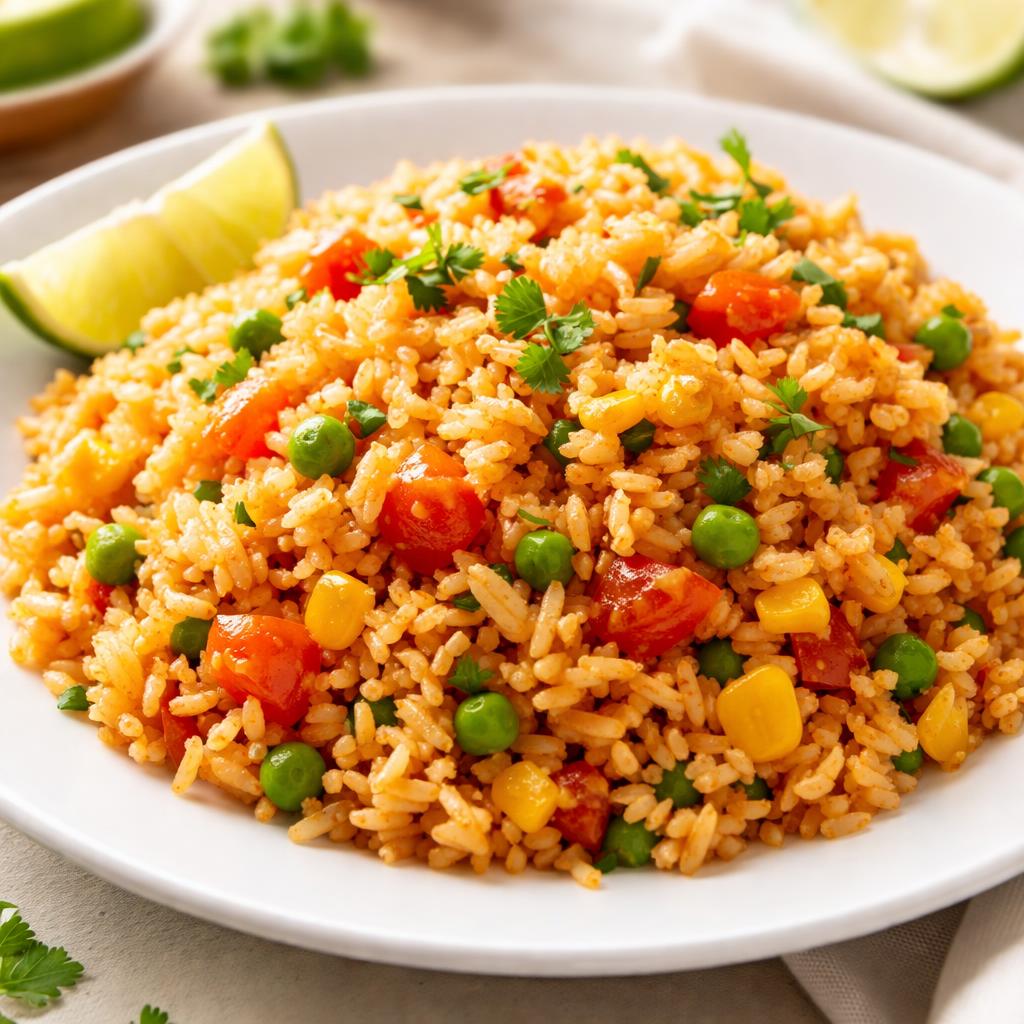
Mexican Rice
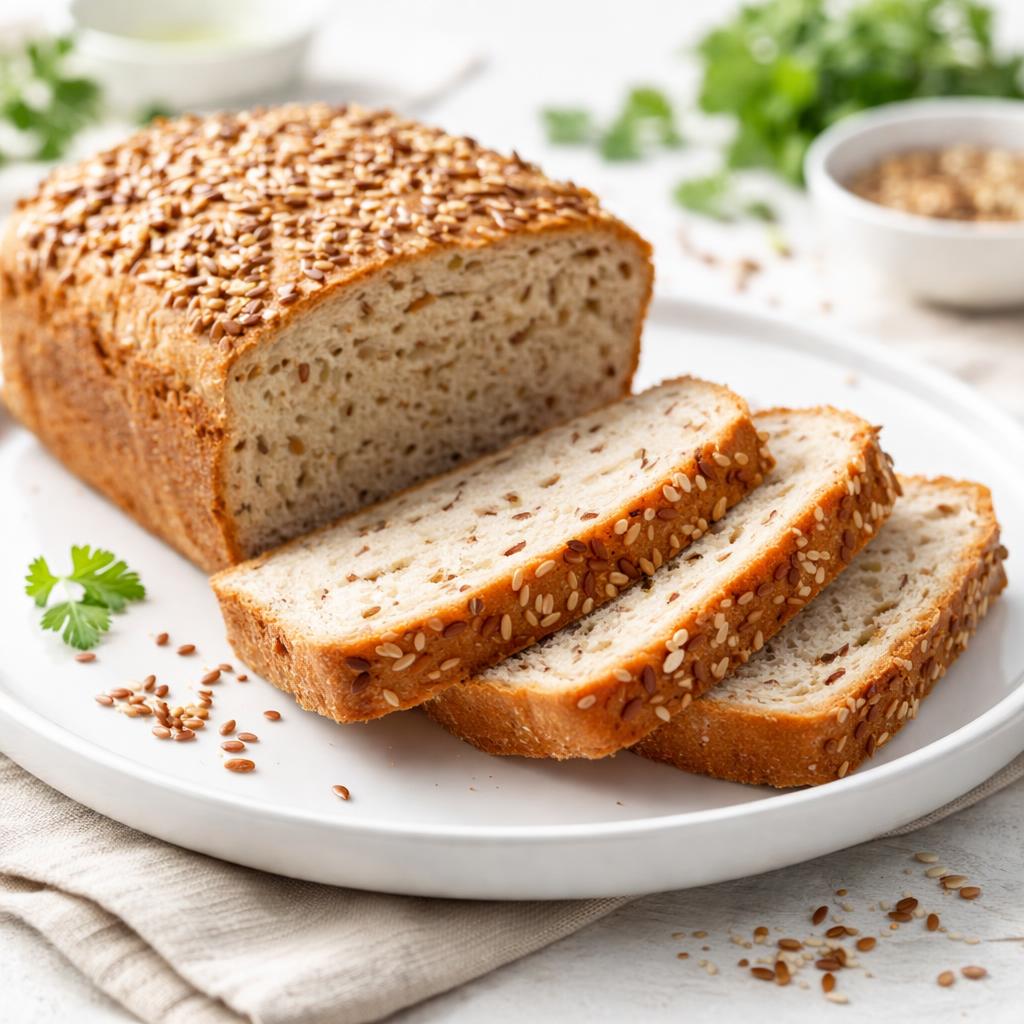
Gluten-Free Bread
🎯 Quick Verdict
Mexican rice and gluten-free bread have complementary nutritional profiles. Mexican rice is lower in calories and contains more carbs suitable for energy requirements, while gluten-free bread is higher in protein, making it ideal for muscle repair. Both foods provide similar amounts of fiber, making them great options for digestion support based on dietary goals.

Smart Nutrition Tracking with SnapCalorie

📊 Nutritional Comparison
Macronutrients
| Nutrient | Food 1 | Food 2 | Winner |
|---|---|---|---|
| Calories | 160 | 200 | ✓ |
| Protein | 3g | 6g | ✓ |
| Carbs | 30g | 20g | ✓ |
| Fat | 3g | 5g | ✓ |
| Fiber | 2g | 2g | − |
Vitamins & Minerals
| Nutrient | Food 1 | Food 2 | Winner |
|---|---|---|---|
| Vitamin D | 0mcg | 1mcg | ✓ |
| Calcium | 20mg | 50mg | ✓ |
| Iron | 0.5mg | 1mg | ✓ |
🏆 Category Winners
Protein
Gluten-free bread provides double the protein per serving compared to Mexican rice.
Fiber
Both foods offer 2g of fiber per serving, supporting healthy digestion.
Calories
Mexican rice has 20% fewer calories per serving compared to gluten-free bread.
🥗 Diet Compatibility
Keto
Food 1: Not Compatible
Food 2: Not Compatible
Both are high-carb foods.
Vegan
Food 1: Compatible
Food 2: Compatible
Neither food contains animal products.
Gluten Free
Food 1: Not Compatible
Food 2: Compatible
Mexican rice may contain gluten-containing ingredients, while gluten-free bread is specifically made to be gluten-free.
Paleo
Food 1: Not Compatible
Food 2: Not Compatible
Both contain processed ingredients not allowed on a paleo diet.
Low-Carb
Food 1: Not Compatible
Food 2: Not Compatible
Both are high-carb foods unsuitable for low-carb diets.
💪 Health Benefits Comparison
Food 1 Benefits
- Provides a quick source of energy via carbohydrates
- Moderately low-calorie option for balanced meals
- Contains small amounts of fiber to aid digestion
Food 2 Benefits
- Supports muscle repair with higher protein content
- Offers gluten-free options for those with sensitivities
- Includes vitamins like Calcium and Vitamin D for bone health
✅ The Bottom Line
Mexican rice is best for those seeking a lower-calorie, carb-heavy meal for energy, ideal as a side dish option. Gluten-free bread is better for individuals prioritizing protein intake and gluten-free dietary needs. Choose based on your nutritional goals and dietary restrictions.
Choose Food 1 for: Low-calorie meals, carbohydrate refueling, side dish
Choose Food 2 for: Gluten-free diets, higher protein intake, sandwich bases


