Lettuce VS Turkey
A detailed nutritional comparison
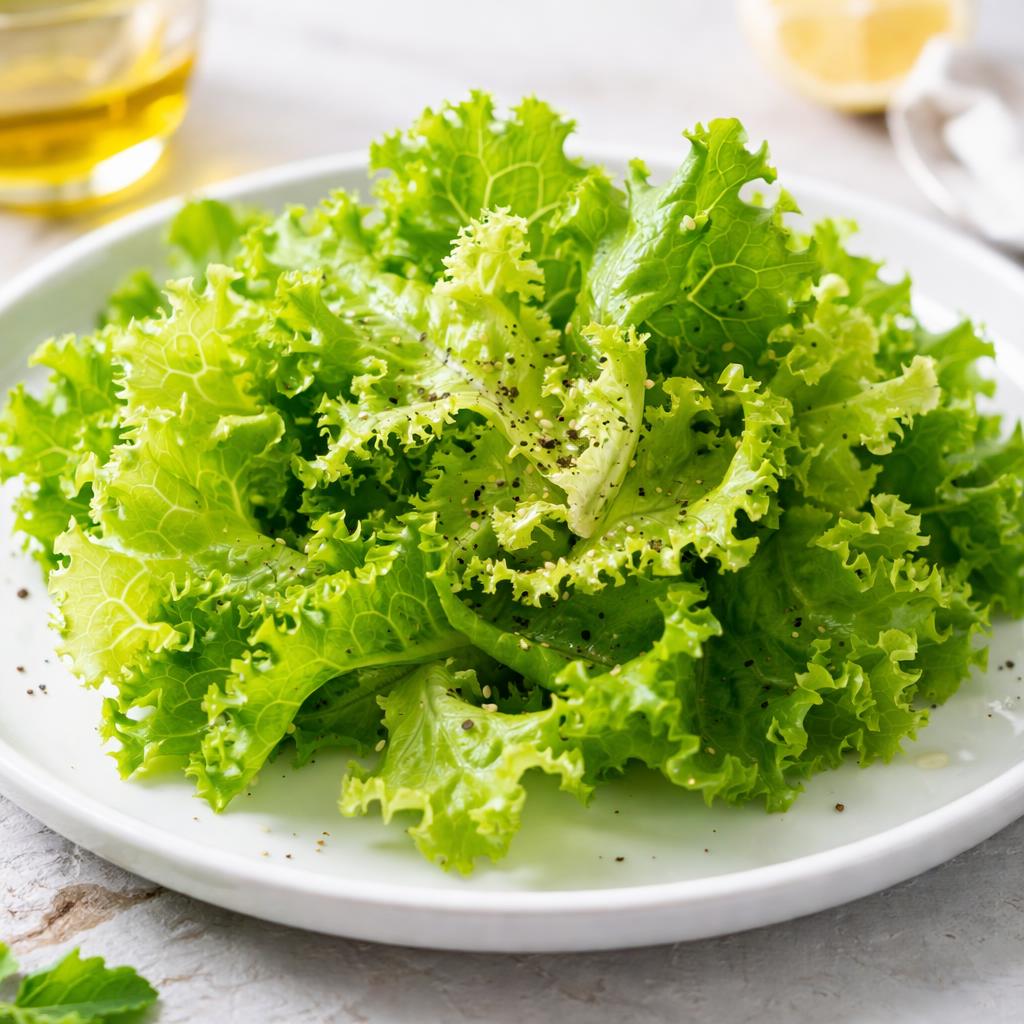
Lettuce
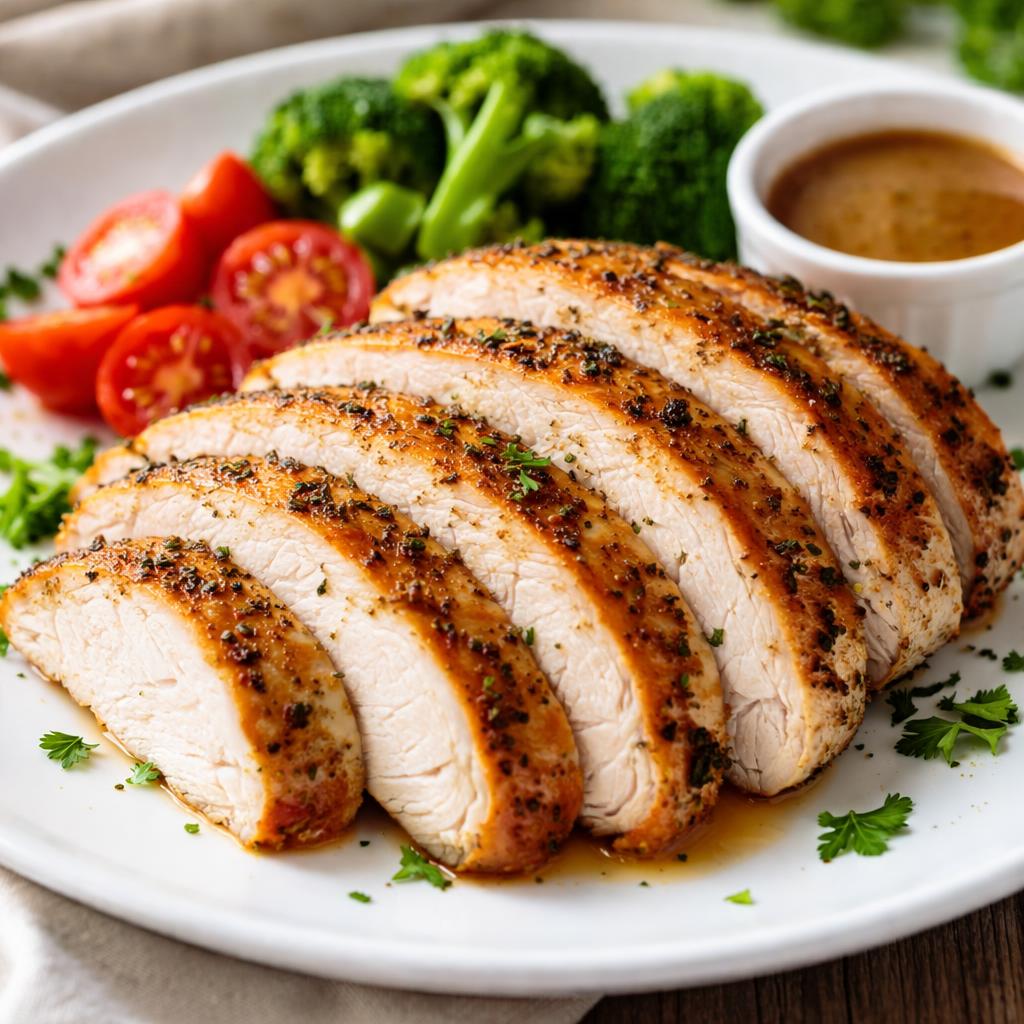
Turkey
🎯 Quick Verdict
Lettuce and turkey differ significantly in nutritional value. Turkey is an excellent source of high-quality protein, making it ideal for muscle maintenance and repair, while lettuce is very low in calories, high in water content, and provides a small amount of fiber for digestion. Lettuce is great for low-calorie diets, while turkey supports protein and nutrient requirements.

Smart Nutrition Tracking with SnapCalorie

📊 Nutritional Comparison
Macronutrients
| Nutrient | Food 1 | Food 2 | Winner |
|---|---|---|---|
| Calories | 15 | 120 | ✓ |
| Protein | 1g | 25g | ✓ |
| Carbs | 3g | 0g | ✓ |
| Fat | 0.2g | 1.5g | ✓ |
| Fiber | 1g | 0g | ✓ |
Vitamins & Minerals
| Nutrient | Food 1 | Food 2 | Winner |
|---|---|---|---|
| Vitamin A | 740 IU | 0 IU | ✓ |
| Vitamin C | 3mg | 0mg | ✓ |
| Vitamin B6 | 0mg | 0.5mg | ✓ |
| Potassium | 194mg | 162mg | ✓ |
| Iron | 0.3mg | 1mg | ✓ |
| Calcium | 18mg | 10mg | ✓ |
🏆 Category Winners
Protein
Turkey provides 25g of protein per 100g compared to just 1g in lettuce.
Fiber
Lettuce has 1g of fiber per serving, whereas turkey contains none.
Calories
Lettuce has only 15 calories per serving compared to 120 for turkey.
Vitamins
Lettuce offers Vitamin A, C, and more minerals compared to turkey, which is primarily rich in Vitamin B6 and iron.
🥗 Diet Compatibility
Keto
Food 1: Compatible
Food 2: Compatible
Both are low-carb foods appropriate for keto diets.
Vegan
Food 1: Compatible
Food 2: Not Compatible
Lettuce is plant-based, but turkey is animal-derived.
Gluten Free
Food 1: Compatible
Food 2: Compatible
Neither food contains gluten.
Paleo
Food 1: Compatible
Food 2: Compatible
Both fit within the Paleo dietary framework.
Low-Carb
Food 1: Compatible
Food 2: Compatible
Neither food contains significant carbohydrates.
💪 Health Benefits Comparison
Food 1 Benefits
- Low in calories, ideal for weight management
- Provides Vitamin A for eye health
- Contains potassium for electrolyte balance
- Provides small amounts of fiber for digestion
Food 2 Benefits
- Excellent source of lean protein for muscle growth
- Rich in Vitamin B6, important for energy metabolism
- Contains iron for blood oxygen transportation
- Supports weight loss and satiety due to high protein content
✅ The Bottom Line
Choose lettuce for very low-calorie meals, fiber, and hydration, such as salads or light snacks. Pick turkey when prioritizing protein, such as for post-workout recovery, muscle building, or nutrient-dense meals. Both have unique benefits depending on dietary goals.
Choose Food 1 for: Low-calorie diets, hydration, salads/snacks
Choose Food 2 for: Muscle growth, high-protein diets, post-workout meals


