Lettuce VS Stir-Fried Noodles
A detailed nutritional comparison
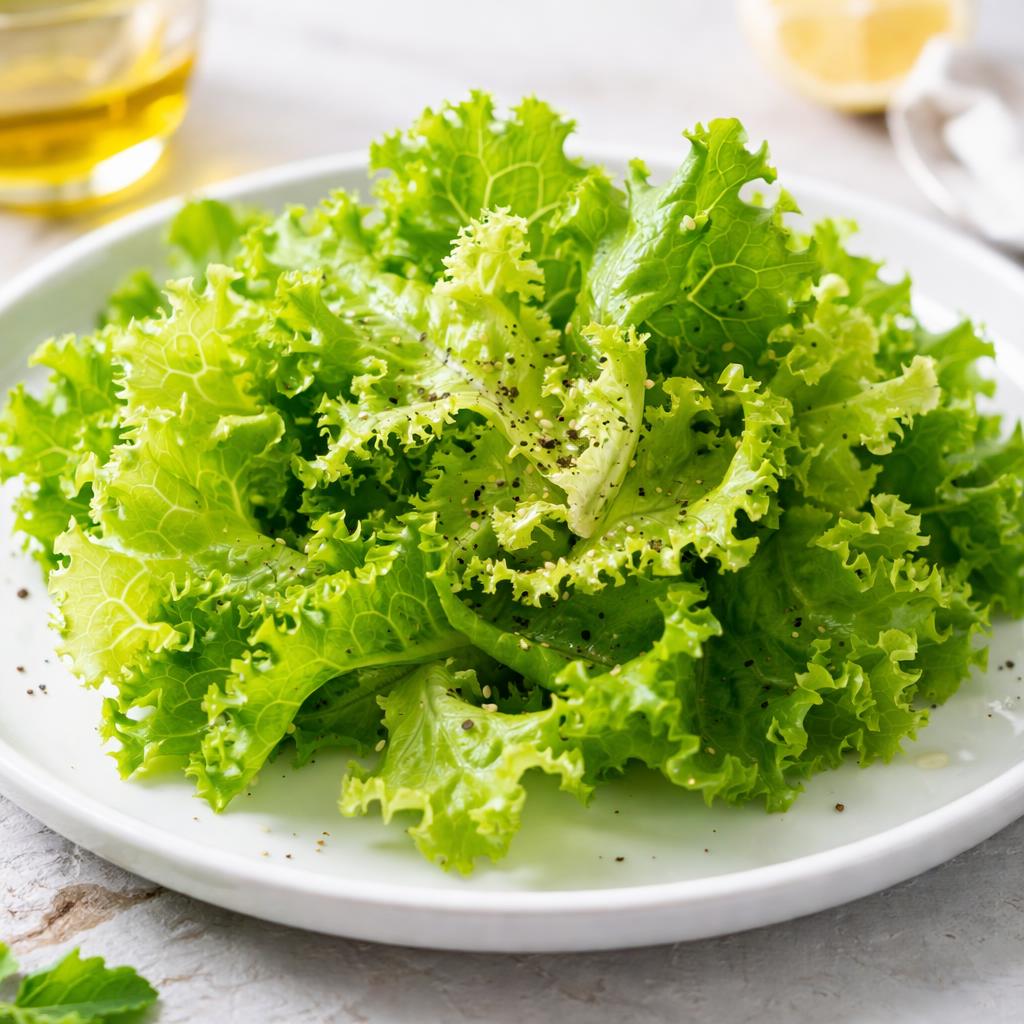
Lettuce
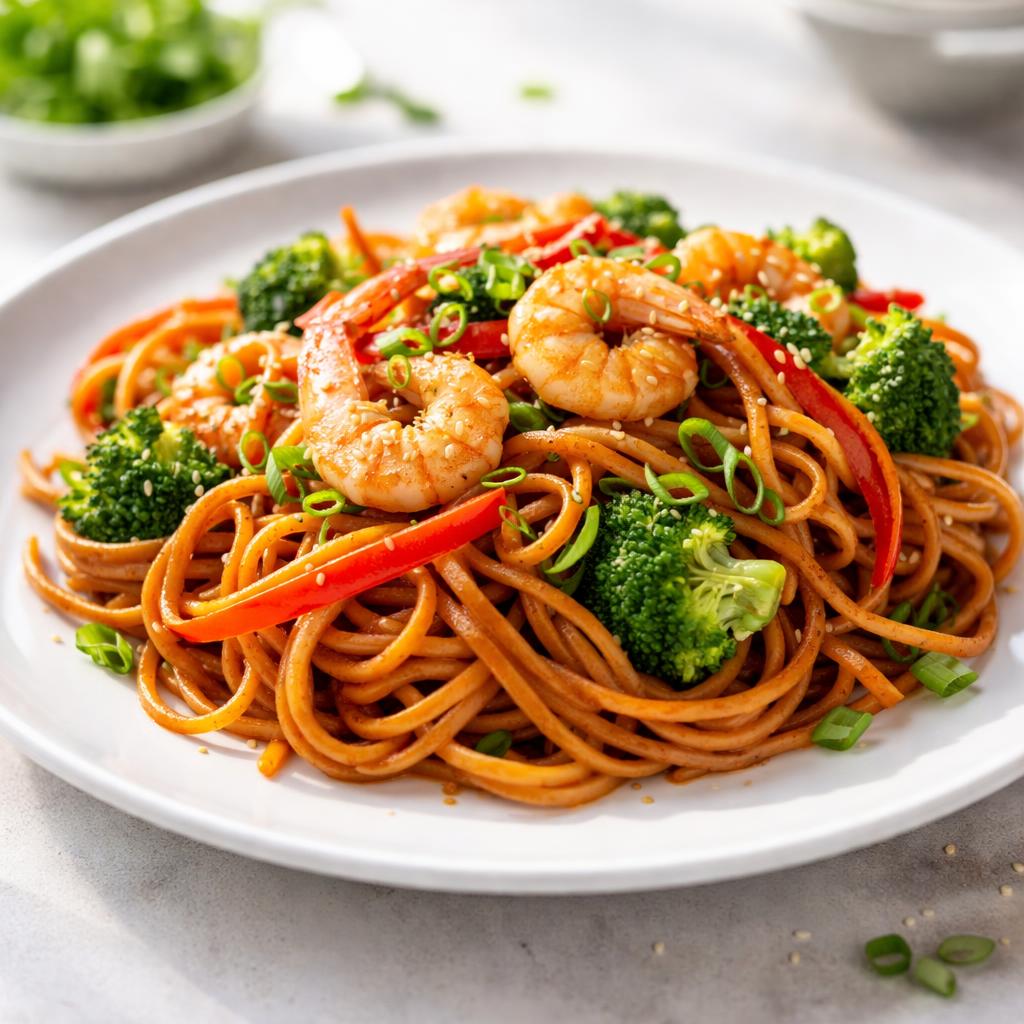
Stir-Fried Noodles
🎯 Quick Verdict
Lettuce is a low-calorie, nutrient-light vegetable, ideal for weight loss or filling out meals without adding excess calories. Stir-fried noodles are a more calorie-dense option with higher protein and fiber, offering sustained energy and satiety. Lettuce is best for light meals and nutrient diversity, while stir-fried noodles work well as a satisfying main dish.

Smart Nutrition Tracking with SnapCalorie

📊 Nutritional Comparison
Macronutrients
| Nutrient | Food 1 | Food 2 | Winner |
|---|---|---|---|
| Calories | 15 | 250 | ✓ |
| Protein | 0.5g | 7g | ✓ |
| Carbs | 2g | 42g | ✓ |
| Fat | 0.1g | 8g | ✓ |
| Fiber | 1g | 2g | ✓ |
Vitamins & Minerals
| Nutrient | Food 1 | Food 2 | Winner |
|---|---|---|---|
| Vitamin K | 60mcg | 10mcg | ✓ |
| Vitamin C | 5mg | 2mg | ✓ |
| Iron | 0.5mg | 1.5mg | ✓ |
🏆 Category Winners
Protein
Stir-fried noodles contain 14x more protein per serving (7g vs 0.5g).
Fiber
Stir-fried noodles offer double the fiber content for better satiety.
Calories
Lettuce is extremely low-calorie (15 calories vs 250 calories).
Vitamins
Lettuce is richer in Vitamin K and Vitamin C, vital for blood clotting and immune health.
🥗 Diet Compatibility
Keto
Food 1: Compatible
Food 2: Not Compatible
Lettuce is extremely low-carb (2g per serving).
Vegan
Food 1: Compatible
Food 2: Compatible
Both are plant-based when prepared without animal products.
Gluten Free
Food 1: Compatible
Food 2: Not Compatible
Stir-fried noodles typically contain wheat, while lettuce is naturally gluten-free.
Paleo
Food 1: Compatible
Food 2: Not Compatible
Lettuce is paleo-friendly; stir-fried noodles are not due to processed grains.
Low Carb
Food 1: Compatible
Food 2: Not Compatible
Lettuce is very low in carbohydrates, ideal for low-carb diets.
💪 Health Benefits Comparison
Food 1 Benefits
- Very low in calories, ideal for weight management or cutting.
- Rich in Vitamin K, supporting blood health and bone strength.
- High water content for hydration and digestion support.
- Source of antioxidants, promoting cellular health.
Food 2 Benefits
- Calorie-dense, providing sustained energy for active lifestyles.
- Higher protein content, supporting muscle repair and maintenance.
- Contains fiber, aiding digestion and increasing satiety.
- Good source of iron, boosting oxygen transport in the body.
✅ The Bottom Line
Choose lettuce for ultra-low-calorie meals, nutrient diversity, or as a base for salads and lighter dishes. Opt for stir-fried noodles when you need a filling, energy-dense meal with higher protein and fiber. Each food complements different dietary needs depending on your health goals.
Choose Food 1 for: Weight loss, hydration, light meals or sides
Choose Food 2 for: Sustained energy, higher protein intake, satisfying main courses


