Lettuce VS Sandwich
A detailed nutritional comparison
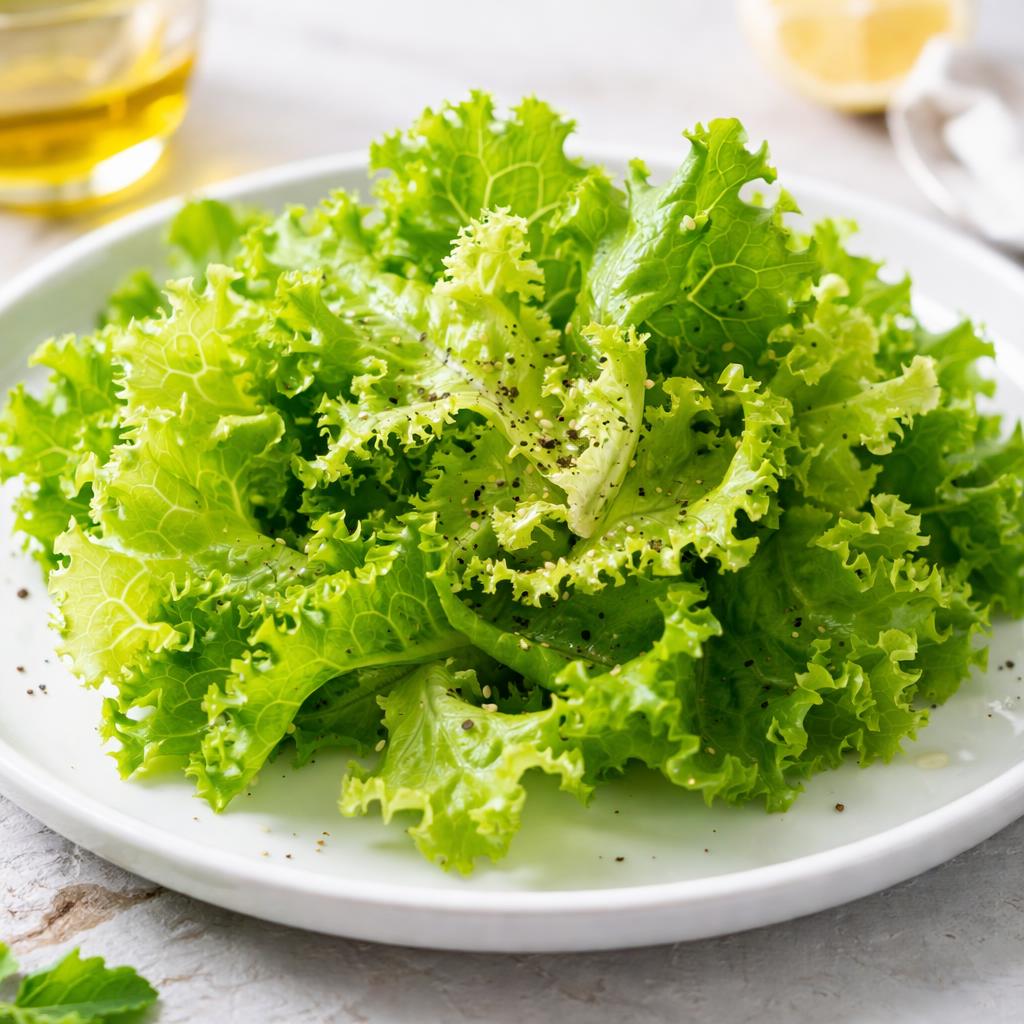
Lettuce
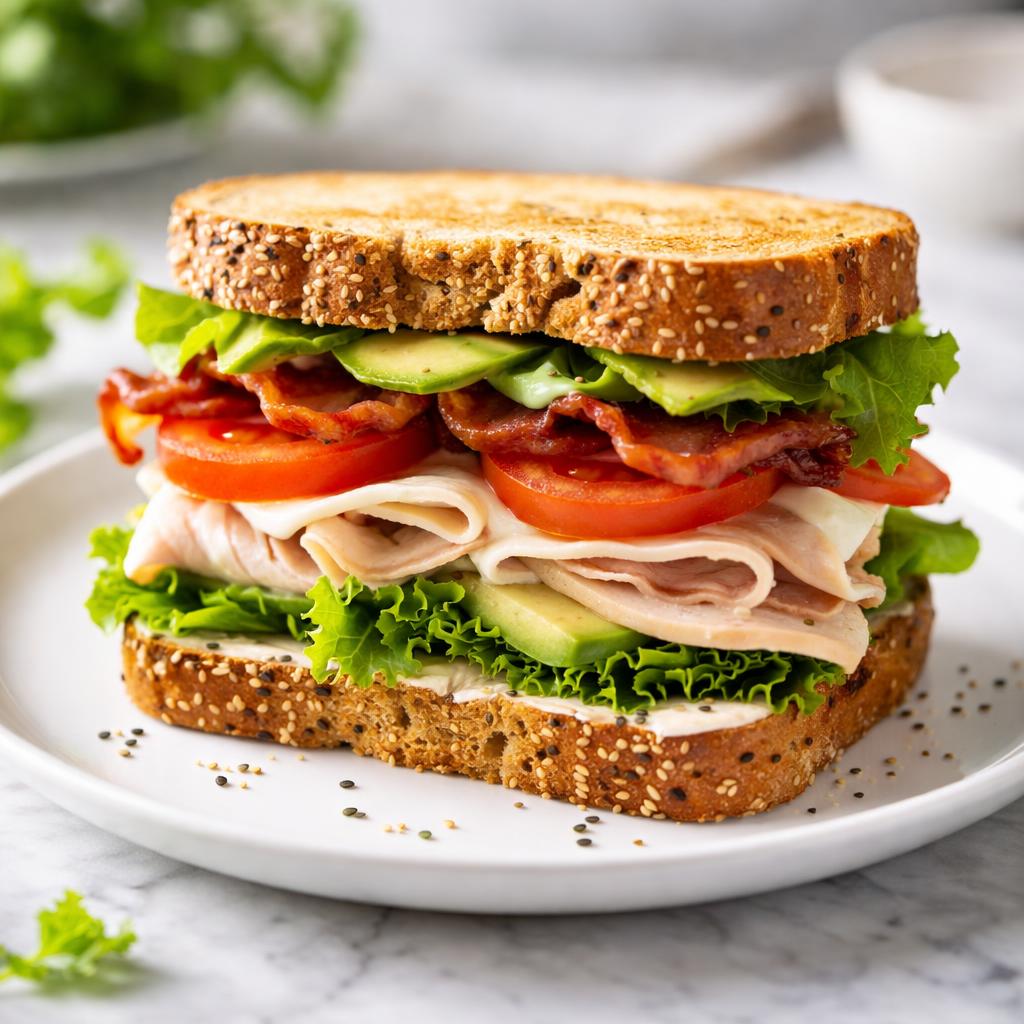
Sandwich
🎯 Quick Verdict
Lettuce is extremely low-calorie, provides fiber, and is nutrient-light, making it excellent for weight loss or side dishes. A sandwich is more substantial, offering higher protein, carbs, and calories, making it a good meal option for energy needs. Choose lettuce for light meals or use it alongside sandwiches for a nutrient boost.

Smart Nutrition Tracking with SnapCalorie

📊 Nutritional Comparison
Macronutrients
| Nutrient | Food 1 | Food 2 | Winner |
|---|---|---|---|
| Calories | 15 | 300 | ✓ |
| Protein | 1g | 12g | ✓ |
| Carbs | 3g | 40g | ✓ |
| Fat | 0.2g | 10g | ✓ |
| Fiber | 1g | 2g | ✓ |
Vitamins & Minerals
| Nutrient | Food 1 | Food 2 | Winner |
|---|---|---|---|
| Vitamin C | 3mg | 0.5mg | ✓ |
| Vitamin A | 1500IU | 300IU | ✓ |
| Calcium | 15mg | 200mg | ✓ |
🏆 Category Winners
Protein
Sandwich contains 12g of protein, significantly more than lettuce with 1g.
Fiber
Sandwich contains slightly more fiber (2g vs lettuce's 1g).
Calories
Lettuce has only 15 calories per serving compared to the sandwich's 300 calories.
Vitamins
Lettuce is higher in Vitamin C and Vitamin A compared to a sandwich.
🥗 Diet Compatibility
Keto
Food 1: Compatible
Food 2: Not Compatible
Lettuce is low-carb (3g), while the sandwich is high-carb due to bread (40g).
Vegan
Food 1: Compatible
Food 2: Depends
Lettuce is plant-based, but the sandwich contents vary (e.g., may contain meat or cheese).
Gluten Free
Food 1: Compatible
Food 2: Depends
Lettuce is gluten-free, while sandwiches may include bread containing gluten.
Paleo
Food 1: Compatible
Food 2: Not Compatible
Lettuce is compliant with paleo diets, but sandwiches are not due to bread and processed ingredients.
Low-Carb
Food 1: Compatible
Food 2: Not Compatible
Lettuce is low in carbs (3g per serving), while sandwiches are high-carb (40g of carbs).
💪 Health Benefits Comparison
Food 1 Benefits
- Low in calories for weight management
- High in Vitamin A for vision support
- Contains small amounts of Vitamin C for immune health
- Versatile as a base for salads or a snack
Food 2 Benefits
- Provides protein for muscle repair and growth
- Higher in calories, making it suitable for energy needs
- Contains fiber for improved digestion
- Potentially includes calcium for bone health
✅ The Bottom Line
Choose lettuce for light meals, weight loss, or nutrient-dense sides. A sandwich is a better option for an energy-dense meal with adequate protein and carbs, especially in active lifestyles.
Choose Food 1 for: Weight loss, low-carb diets, light snacks
Choose Food 2 for: Meal replacement, post-exercise energy boost, balanced diets


