Lettuce VS Salad Dressing
A detailed nutritional comparison
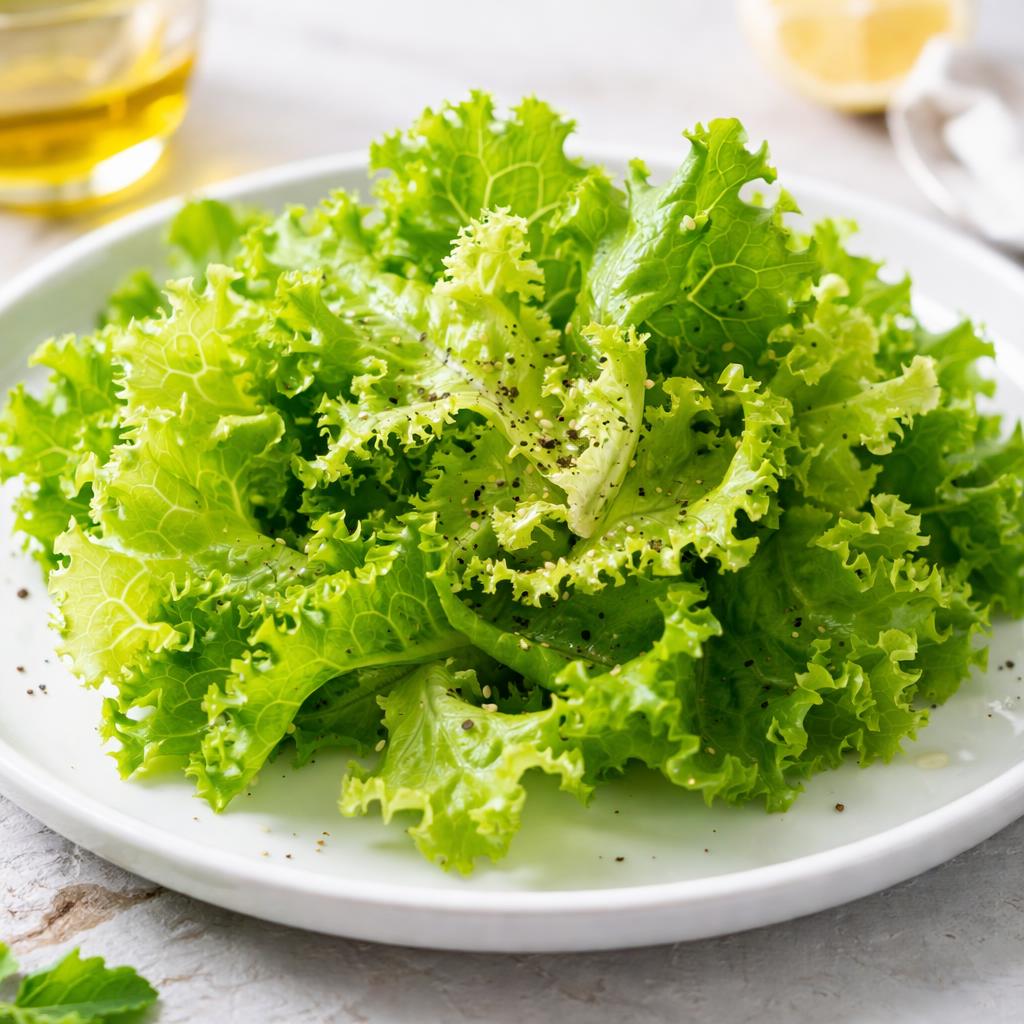
Lettuce
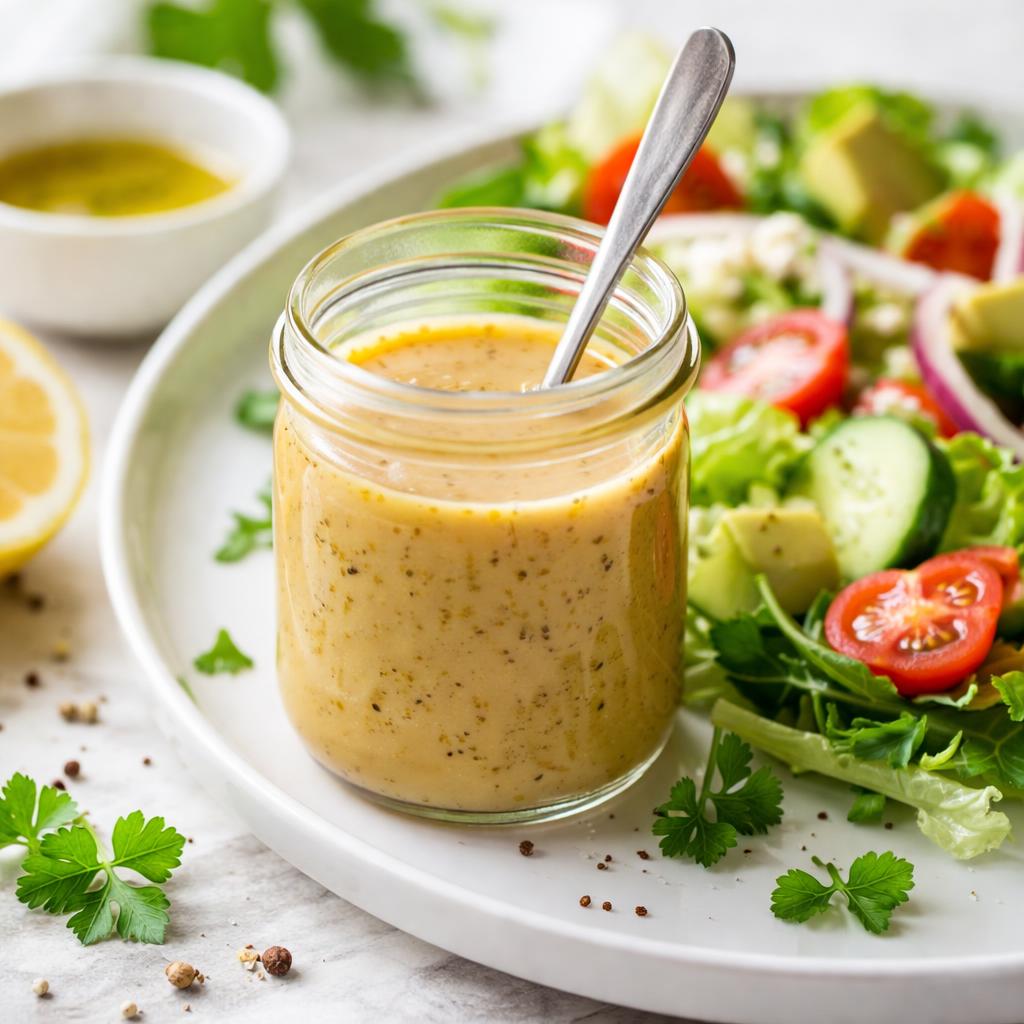
Salad Dressing
🎯 Quick Verdict
Lettuce is a nutrient-dense, low-calorie food that provides dietary fiber and small amounts of protein, making it ideal for weight management and digestion. Salad dressing, on the other hand, is calorie-dense and typically high in fats but contributes flavor and healthy fats depending on the type. Lettuce excels as the healthier overall choice, while salad dressing can complement a meal when used in moderation.

Smart Nutrition Tracking with SnapCalorie

📊 Nutritional Comparison
Macronutrients
| Nutrient | Food 1 | Food 2 | Winner |
|---|---|---|---|
| Calories | 15 per 100g | 150 per 2 tbsp (30g) | ✓ |
| Protein | 1g per 100g | 0g per 30g | ✓ |
| Carbs | 3g per 100g | 2g per 30g | ✓ |
| Fat | 0.2g per 100g | 14g per 30g | ✓ |
| Fiber | 1g per 100g | 0g per 30g | ✓ |
Vitamins & Minerals
| Nutrient | Food 1 | Food 2 | Winner |
|---|---|---|---|
| Vitamin A | 7400 IU (148% DV) per 100g | 500 IU (10% DV) per 30g | ✓ |
| Vitamin C | 9mg (10% DV) per 100g | 1mg (1% DV) per 30g | ✓ |
| Vitamin D | 0mcg per 100g | 0mcg per 30g | − |
| Calcium | 36mg (3% DV) per 100g | 0mg per 30g | ✓ |
| Iron | 0.8mg (4% DV) per 100g | 0.2mg (1% DV) per 30g | ✓ |
🏆 Category Winners
Protein
Lettuce provides 1g of protein per serving versus none in salad dressing.
Fiber
Lettuce contains 1g of fiber per serving, while salad dressing has none.
Calories
Lettuce is extremely low-calorie at just 15 calories per 100g compared to salad dressing’s 150 calories per 2 tbsp.
Vitamins
Rich in vitamins A and C, lettuce is far superior nutritionally compared to salad dressing.
🥗 Diet Compatibility
Keto
Food 1: Compatible
Food 2: Compatible
Both can fit into a keto diet, with lettuce being extremely low-carb and most salad dressings being high-fat.
Vegan
Food 1: Compatible
Food 2: Sometimes Compatible
Lettuce is naturally plant-based, but some salad dressings contain animal by-products like eggs or dairy.
Gluten Free
Food 1: Compatible
Food 2: Sometimes Compatible
Lettuce is gluten-free, but some dressings could contain additives or ingredients with gluten.
Paleo
Food 1: Compatible
Food 2: Sometimes Compatible
Lettuce fulfills paleo principles, but salad dressing may conflict based on additives or refined oils.
Low Carb
Food 1: Compatible
Food 2: Compatible
Both foods are low in carbs, with salad dressing's carbs depending on added sugars.
💪 Health Benefits Comparison
Food 1 Benefits
- Low-calorie, nutrient-dense food for weight management
- Good source of fiber for digestive health
- High in Vitamin A for skin and eye health
- Provides antioxidants for overall wellness
Food 2 Benefits
- Offers healthy fats when made with olive oil or similar oils
- Enhances the flavor profile of salads and vegetables
- Provides a source of Vitamin E depending on the type
- May contain omega-3 fats in certain varieties
✅ The Bottom Line
Choose lettuce for its low-calorie, nutrient-rich profile and valuable fiber content, making it ideal for those focusing on weight management or digestion. Salad dressing, while calorie-dense, can enhance enjoyment and add healthy fats to meals when used modestly and strategically. Combine them for balanced taste and nutrition.
Choose Food 1 for: Weight management, low-calorie diets, nutrient-rich salads
Choose Food 2 for: Enhancing flavor, higher-fat diets like keto, providing healthy fats


