Lettuce VS Romaine
A detailed nutritional comparison
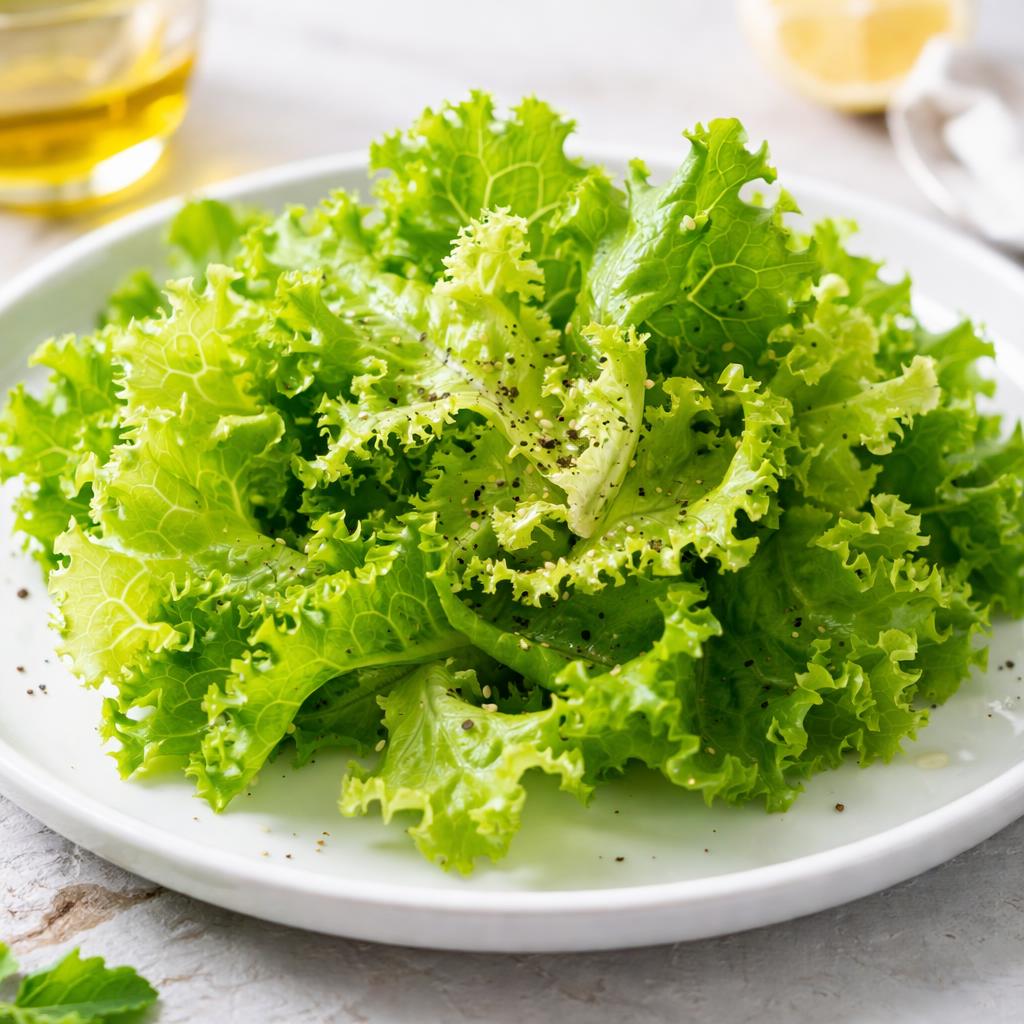
Lettuce
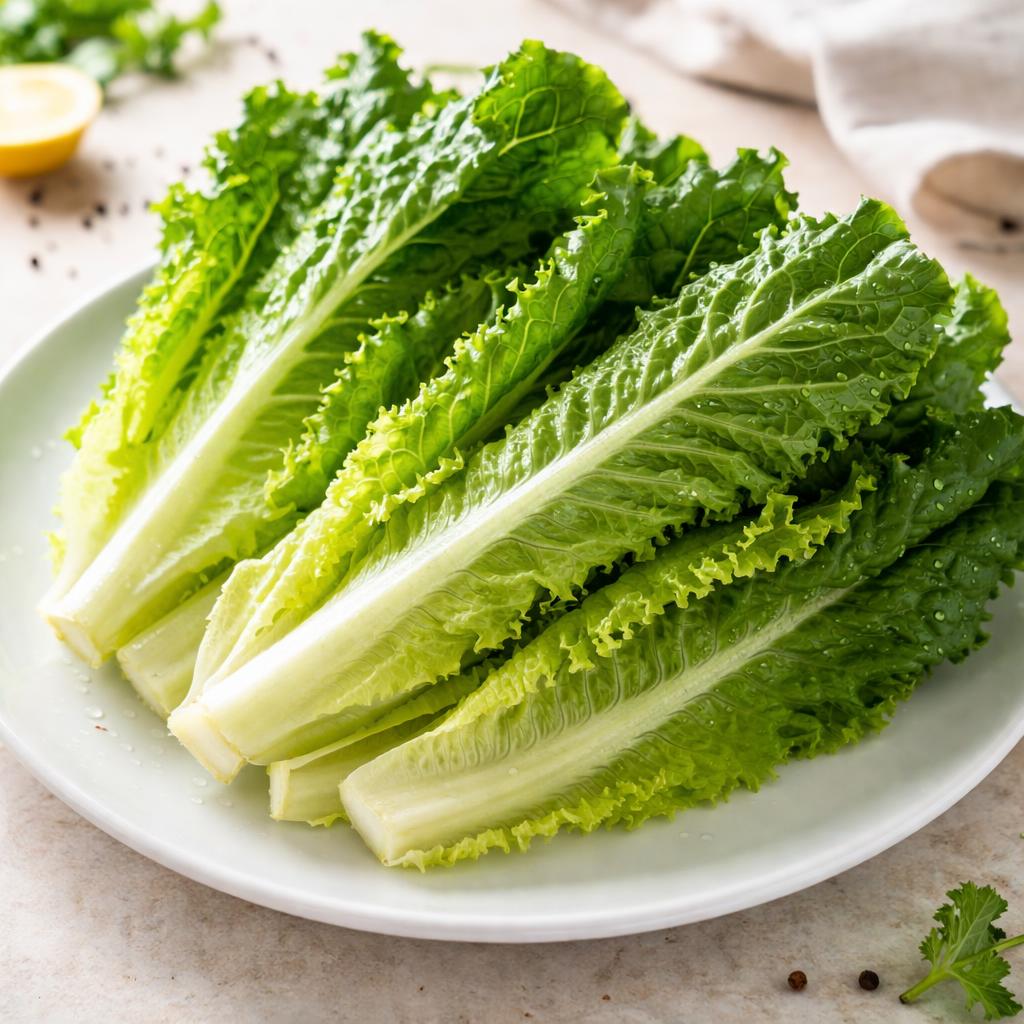
Romaine
🎯 Quick Verdict
Romaine lettuce offers slightly higher nutritional value than regular lettuce, with more protein, fiber, and essential vitamins like vitamin A and C. While both are excellent low-calorie options for salads and wraps, romaine has a slight edge in nutrient density and practicality for health-conscious meals.

Smart Nutrition Tracking with SnapCalorie

📊 Nutritional Comparison
Macronutrients
| Nutrient | Food 1 | Food 2 | Winner |
|---|---|---|---|
| Calories | 15 | 15 | − |
| Protein | 0.9g | 1.2g | − |
| Carbs | 2.9g | 3.3g | − |
| Fat | 0.2g | 0.3g | − |
| Fiber | 0.5g | 1.0g | − |
Vitamins & Minerals
| Nutrient | Food 1 | Food 2 | Winner |
|---|---|---|---|
| Vitamin A | 740 IU | 8710 IU | − |
| Vitamin C | 1.5mg | 11.3mg | − |
| Vitamin K | 24mcg | 48mcg | − |
🏆 Category Winners
Protein
Romaine contains 33% more protein compared to regular lettuce.
Fiber
Romaine provides double the fiber content, aiding digestion and satiety.
Calories
Both have equal calorie content of 15 calories per serving.
Vitamins
Romaine has significantly higher levels of vitamins A, C, and K, making it nutritionally superior.
🥗 Diet Compatibility
Keto
Food 1: Compatible
Food 2: Compatible
Both are very low-carb, making them excellent for keto diets.
Vegan
Food 1: Compatible
Food 2: Compatible
Both are plant-based and suitable for vegan diets.
Gluten Free
Food 1: Compatible
Food 2: Compatible
Neither contains gluten.
Paleo
Food 1: Compatible
Food 2: Compatible
Both fit well within the paleo diet framework due to their natural state and low processing.
Low-Carb
Food 1: Compatible
Food 2: Compatible
Both are extremely low in carbs (under 5g per serving).
💪 Health Benefits Comparison
Food 1 Benefits
- Extremely low calorie, ideal for weight loss
- Provides hydration due to high water content
- Contains small amounts of fiber for digestion
- Good for adding volume to meals
Food 2 Benefits
- Rich source of vitamin A for eye health and immune function
- Higher fiber content promotes better digestion and fullness
- Provides vitamin C for antioxidant protection
- Contains vitamin K, benefiting bone and heart health
✅ The Bottom Line
If you want maximum nutrient density and fiber, romaine is the better choice, especially for heart and immune health. Lettuce is still a great alternative, especially for super low-calorie bulk options. Both are ideal in salads and wraps, but romaine can be considered for its higher vitamins and digestive benefits.
Choose Food 1 for: Calorie-conscious diets, hydration boosts, low-impact volume in meals
Choose Food 2 for: Nutrient-dense diets, digestive health, immune and heart support


