Lettuce VS Goat Cheese
A detailed nutritional comparison
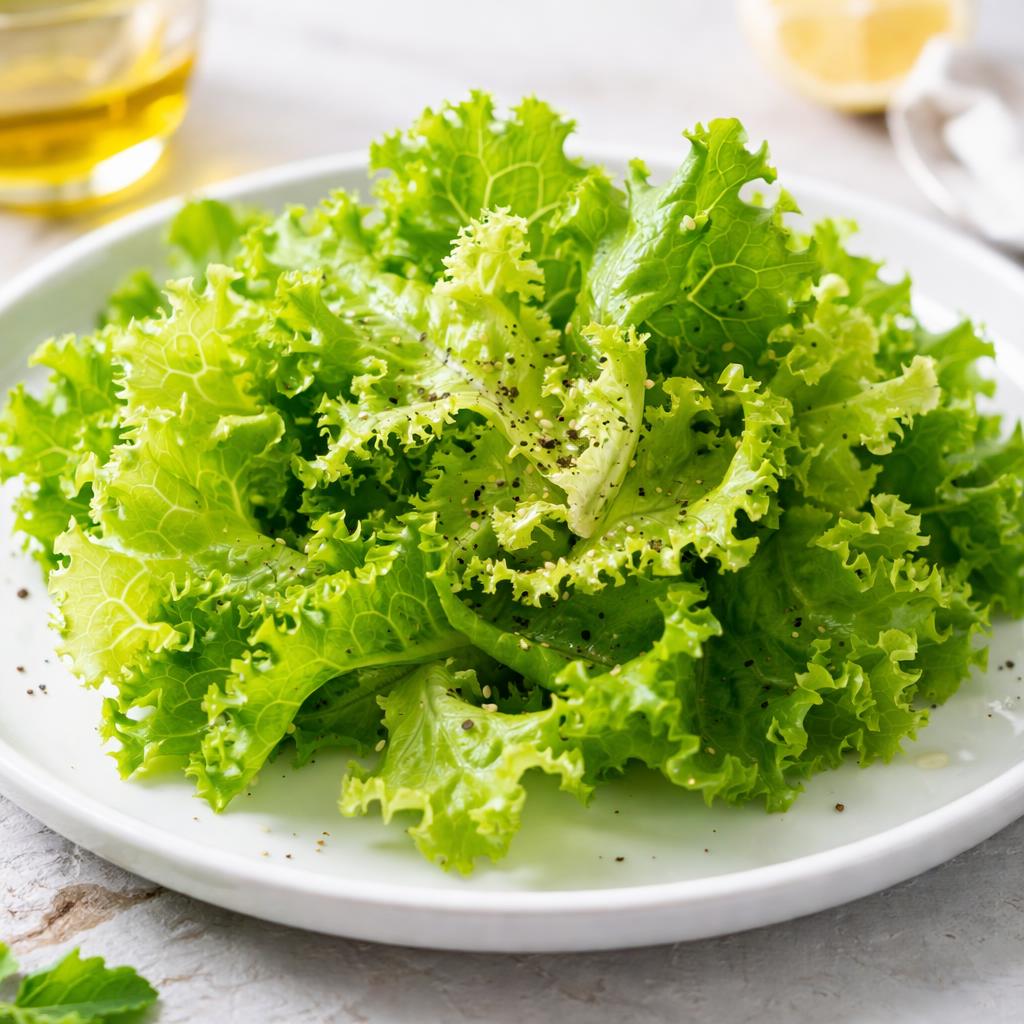
Lettuce
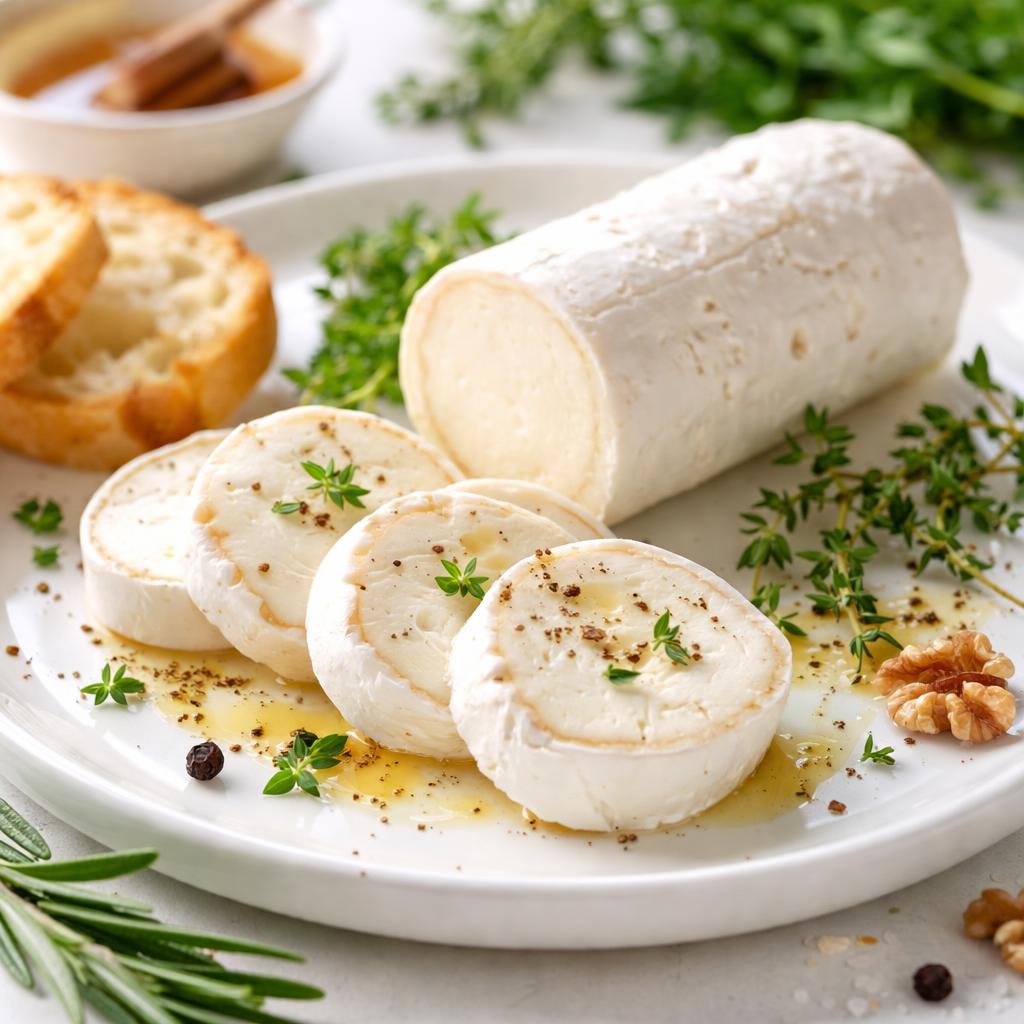
Goat Cheese
🎯 Quick Verdict
Goat cheese is high in protein and fat, making it a nutrient-dense option ideal for muscle building and caloric needs. Lettuce, by contrast, is extremely low in calories, higher in fiber, and packed with water content, making it great for weight loss and hydration. Each serves distinct dietary purposes with lettuce excelling in micronutrients and goat cheese in macronutrients.

Smart Nutrition Tracking with SnapCalorie

📊 Nutritional Comparison
Macronutrients
| Nutrient | Food 1 | Food 2 | Winner |
|---|---|---|---|
| Calories | 15 (per 100g) | 364 (per 100g) | ✓ |
| Protein | 1g | 21g | ✓ |
| Carbs | 2.9g | 1.2g | ✓ |
| Fat | 0.2g | 30g | ✓ |
| Fiber | 1.2g | 0g | ✓ |
Vitamins & Minerals
| Nutrient | Food 1 | Food 2 | Winner |
|---|---|---|---|
| Vitamin A | 740 IU | 900 IU | ✓ |
| Vitamin C | 9mg | 0mg | ✓ |
| Calcium | 18mg | 403mg | ✓ |
| Iron | 0.3mg | 0.2mg | ✓ |
🏆 Category Winners
Protein
Goat cheese has 21 times more protein than lettuce per serving.
Fiber
Lettuce provides over 1g of fiber while goat cheese offers none.
Calories
Lettuce is extremely low-calorie with just 15 calories per serving.
🥗 Diet Compatibility
Keto
Food 1: Compatible
Food 2: Compatible
Both foods are low in carbohydrates, suitable for keto diets.
Vegan
Food 1: Compatible
Food 2: Not Compatible
Lettuce is plant-based while goat cheese is derived from animal milk.
Gluten Free
Food 1: Compatible
Food 2: Compatible
Neither food contains gluten.
Paleo
Food 1: Compatible
Food 2: Compatible
Both foods align with paleo principles—raw and unprocessed.
Low-Carb
Food 1: Compatible
Food 2: Compatible
Both have minimal carbohydrates, suitable for low-carb diets.
💪 Health Benefits Comparison
Food 1 Benefits
- Low-calorie food perfect for weight loss
- Good source of fiber for improved digestion
- Hydrating with high water content (95%)
- Contains Vitamin C to boost immunity
Food 2 Benefits
- Excellent source of protein for muscle repair and maintenance
- Rich in calcium for bone health
- Provides Vitamin A for eye health
- Contains beneficial fats for heart health
✅ The Bottom Line
Lettuce is ideal for calorie-conscious individuals, those seeking fiber, or hydration. Goat cheese is better for those needing protein, calcium, and nutrient density. Pairing the two can create a balanced meal with complementary benefits.
Choose Food 1 for: Weight management, hydration, digestion support
Choose Food 2 for: Muscle building, nutrient-dense diets, healthy fats


