Lettuce VS Coleslaw
A detailed nutritional comparison
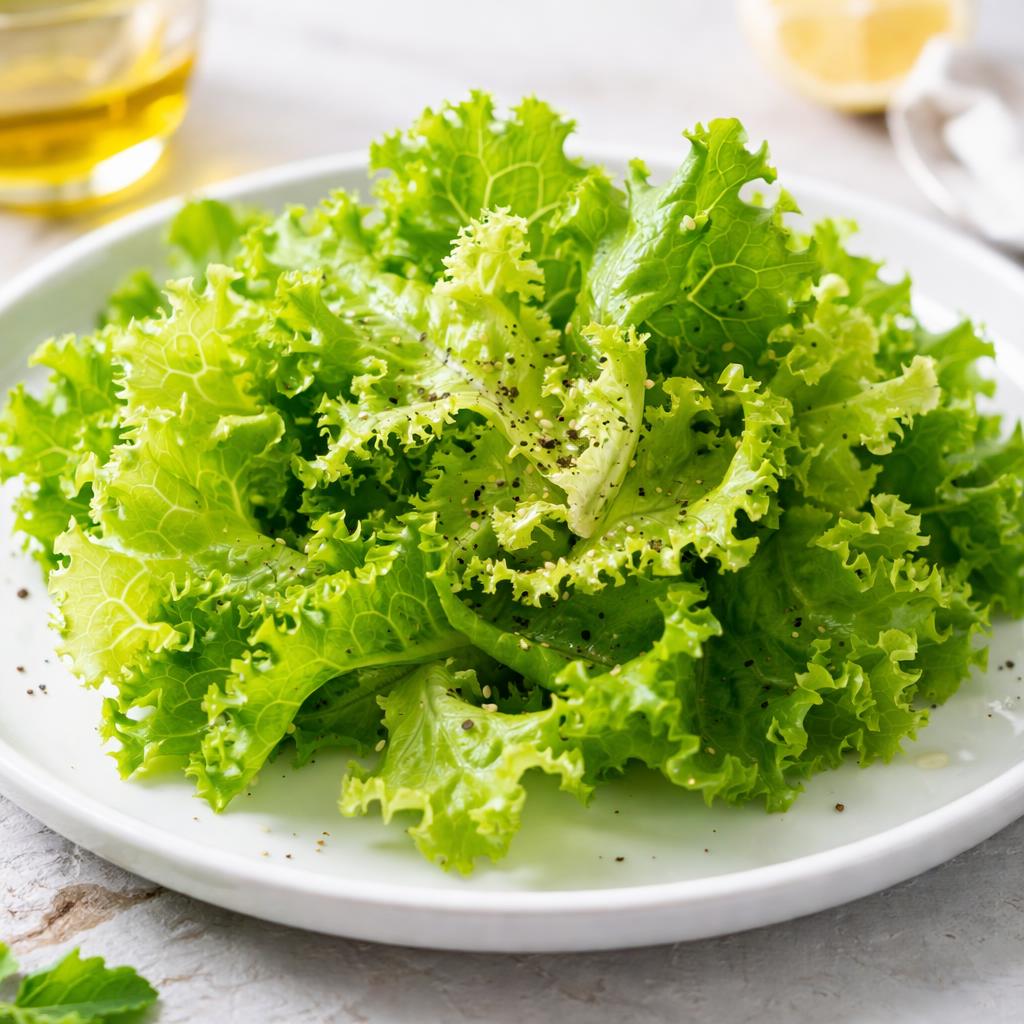
Lettuce
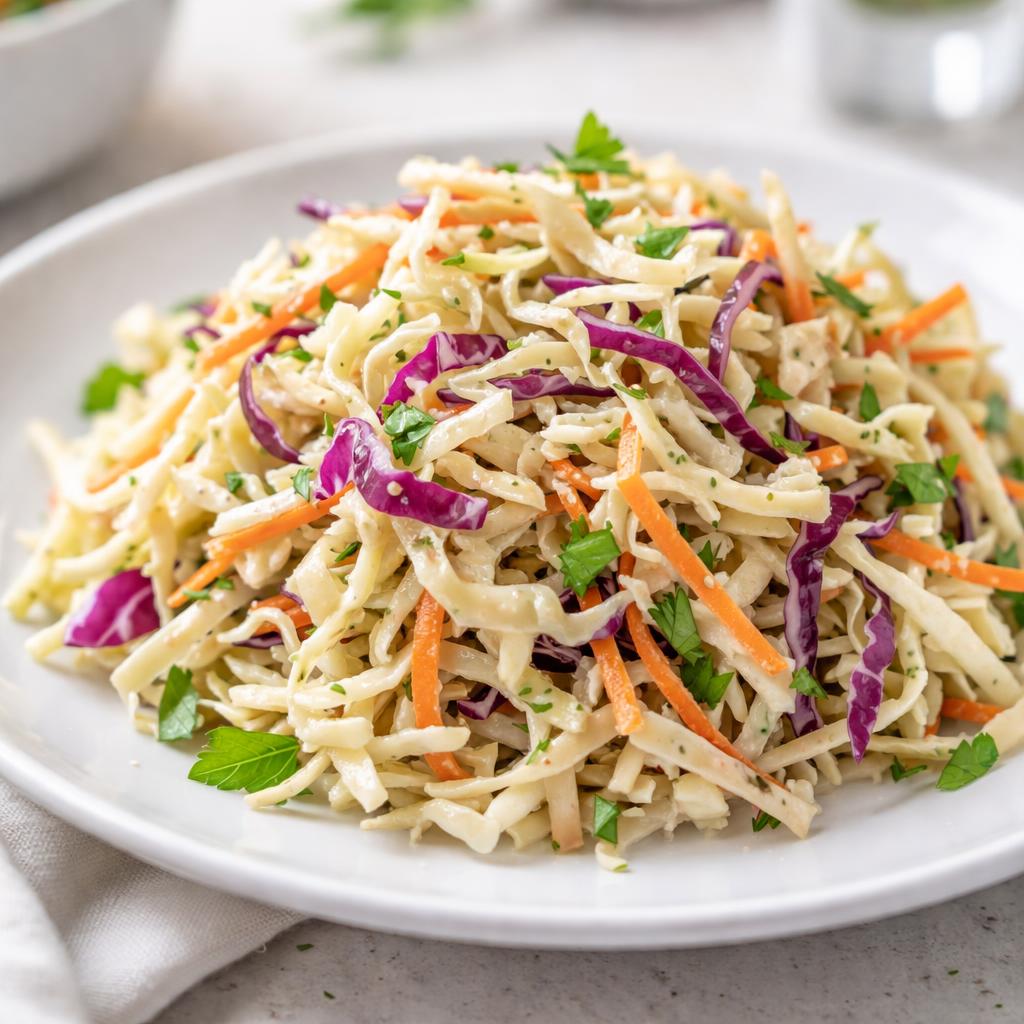
Coleslaw
🎯 Quick Verdict
Lettuce is an extremely low-calorie, hydrating food suitable for weight loss and light meals. Coleslaw, on the other hand, is more nutrient-dense, offering higher fiber, healthy fats (if made with a good dressing), and broader vitamin content. Lettuce is ideal for calorie-conscious diets, whereas coleslaw provides more balanced nutrition for sustained energy and overall health.

Smart Nutrition Tracking with SnapCalorie

📊 Nutritional Comparison
Macronutrients
| Nutrient | Food 1 | Food 2 | Winner |
|---|---|---|---|
| Calories | 15 | 150 | ✓ |
| Protein | 1g | 1g | − |
| Carbs | 2g | 12g | ✓ |
| Fat | 0g | 9g | ✓ |
| Fiber | 1g | 2g | ✓ |
Vitamins & Minerals
| Nutrient | Food 1 | Food 2 | Winner |
|---|---|---|---|
| Vitamin A | 2800 IU | 300 IU | ✓ |
| Vitamin C | 6mg | 27mg | ✓ |
| Calcium | 17mg | 40mg | ✓ |
| Iron | 0.3mg | 0.5mg | ✓ |
🏆 Category Winners
Protein
Both foods provide 1g of protein per serving.
Fiber
Coleslaw has twice the fiber content (2g vs 1g).
Calories
Lettuce has significantly fewer calories per serving (15 vs 150).
Vitamins
Lettuce is much higher in vitamin A; coleslaw excels in vitamin C and calcium.
🥗 Diet Compatibility
Keto
Food 1: Compatible
Food 2: Compatible
Both are low-carb, though coleslaw's dressing may alter compatibility depending on its ingredients.
Vegan
Food 1: Compatible
Food 2: Not Always Compatible
Lettuce is fully vegan; coleslaw can contain mayonnaise or dairy-based dressing.
Gluten Free
Food 1: Compatible
Food 2: Compatible
Neither contains gluten unless coleslaw dressing is thickened with gluten-based additives.
Paleo
Food 1: Compatible
Food 2: Not Always Compatible
Lettuce fits paleo diets; coleslaw dressing may contain non-paleo ingredients like sugar or vegetable oils.
Low Carb
Food 1: Highly Compatible
Food 2: Compatible
Lettuce is extremely low-carb (2g per serving); coleslaw is moderately low-carb (12g per serving).
💪 Health Benefits Comparison
Food 1 Benefits
- Extremely low-calorie for weight management
- High in vitamin A for eye health
- Hydrating due to high water content
Food 2 Benefits
- Rich in antioxidants from cabbage base
- Provides healthy fats (when made with a good-quality dressing)
- Good source of vitamin C for immune support
- Higher fiber content aids digestion
✅ The Bottom Line
Choose lettuce for extremely low-calorie meals, hydration, and weight loss goals. Pick coleslaw for fiber, healthy fats, and broader nutrient density to complement balanced or active diets.
Choose Food 1 for: Weight loss, light meals, hydration
Choose Food 2 for: Digestive health, sustained energy, nutrient-packed side dishes


