Lettuce VS Asparagus
A detailed nutritional comparison
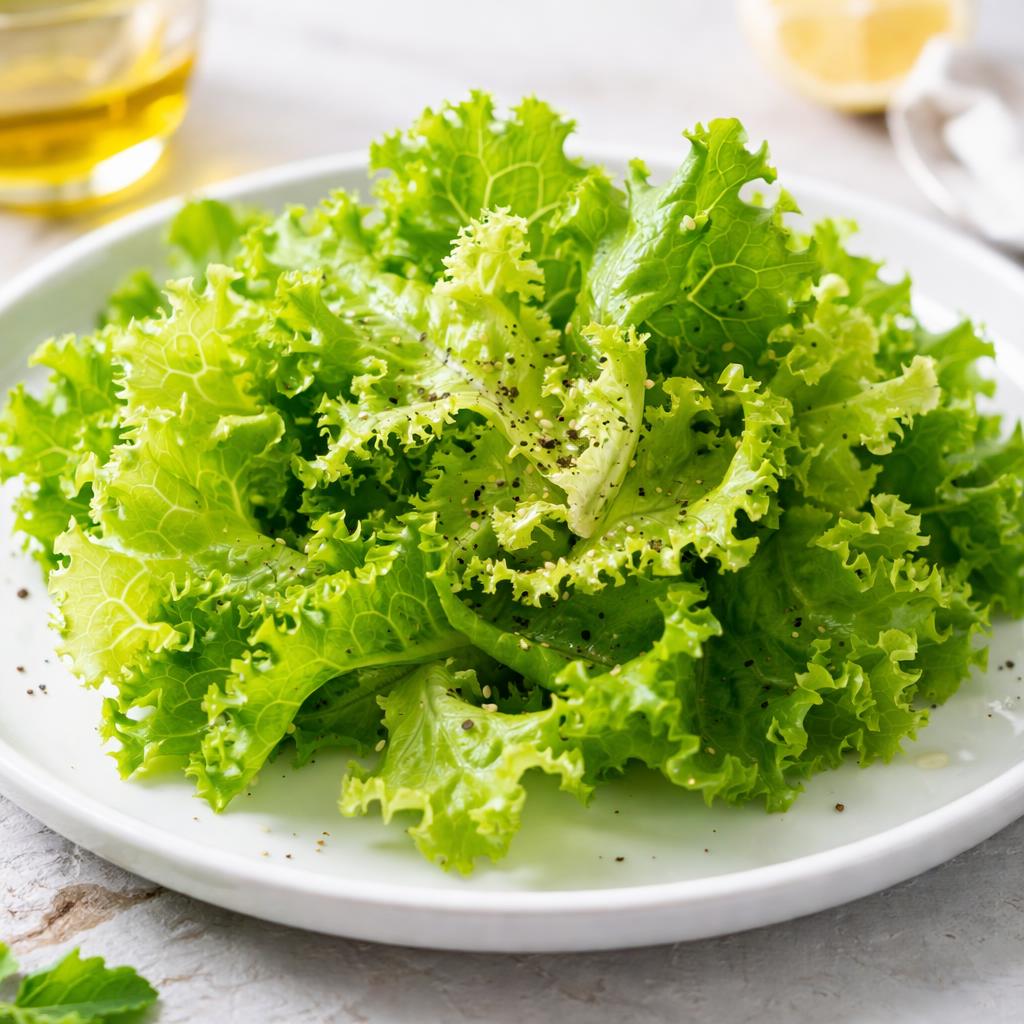
Lettuce
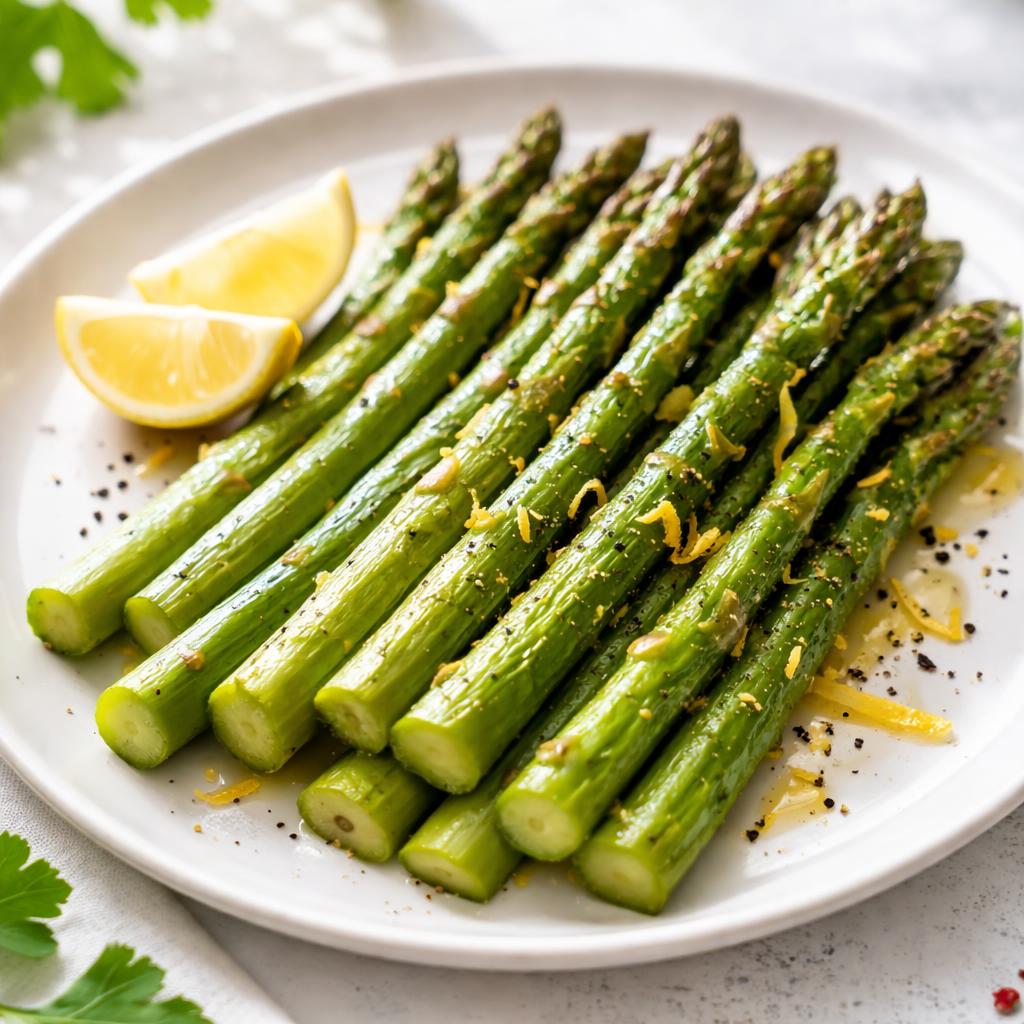
Asparagus
🎯 Quick Verdict
Asparagus is nutritionally denser compared to lettuce, featuring more protein, fiber, and vitamins like Vitamin C and K; while lettuce provides a lower-calorie profile and is ideal for delicate, light dishes. Asparagus shines as part of balanced meals where nutrient density and versatility are needed.

Smart Nutrition Tracking with SnapCalorie

📊 Nutritional Comparison
Macronutrients
| Nutrient | Food 1 | Food 2 | Winner |
|---|---|---|---|
| Calories | 15 | 20 | − |
| Protein | 1g | 2.2g | ✓ |
| Carbs | 2g | 3.7g | ✓ |
| Fat | 0.1g | 0.2g | − |
| Fiber | 1g | 2g | ✓ |
Vitamins & Minerals
| Nutrient | Food 1 | Food 2 | Winner |
|---|---|---|---|
| Vitamin C | 3mg | 5.6mg | ✓ |
| Vitamin K | 24mcg | 41.6mcg | ✓ |
| Folate | 38mcg | 52mcg | ✓ |
| Potassium | 194mg | 202mg | ✓ |
🏆 Category Winners
Protein
Asparagus provides approximately double the protein per serving compared to lettuce.
Fiber
Asparagus has 2g of fiber per serving, which is twice as much fiber as lettuce.
Calories
Both lettuce and asparagus are low-calorie foods, with minimal differences.
Vitamins
Asparagus wins with higher levels of Vitamin C, Vitamin K, and Folate.
🥗 Diet Compatibility
Keto
Food 1: Compatible
Food 2: Compatible
Both foods are low-carb and fit well into the ketogenic diet.
Vegan
Food 1: Compatible
Food 2: Compatible
Both lettuce and asparagus are plant-based foods.
Gluten Free
Food 1: Compatible
Food 2: Compatible
Neither contains any gluten, making them safe for gluten-free diets.
Paleo
Food 1: Compatible
Food 2: Compatible
Both align with paleo principles as they are unprocessed, natural foods.
Low-Carb
Food 1: Compatible
Food 2: Compatible
Both foods contain very low carbohydrate amounts, making them suitable for low-carb diets.
💪 Health Benefits Comparison
Food 1 Benefits
- Extremely low in calories, ideal for weight management
- Rich in Vitamin K for bone health
- Hydration support due to high water content
Food 2 Benefits
- Good source of fiber for healthy digestion
- Rich in antioxidants like Vitamin C for immune support
- Provides Folate for brain and cellular health
- Contains potassium that supports heart function and muscle health
✅ The Bottom Line
If you're looking for a light, refreshing addition to your meals or watching calorie intake, lettuce is a great option. For a nutritionally denser food with higher protein, fiber, and vitamin content, asparagus is the better choice overall. Both foods are highly versatile and fit various diet plans.
Choose Food 1 for: Hydrating snacks, salads, garnish, ultra-low-calorie meals
Choose Food 2 for: Balanced nutrient-dense meals, digestive health, and vitamin boost


