Lettuce VS Almonds
A detailed nutritional comparison
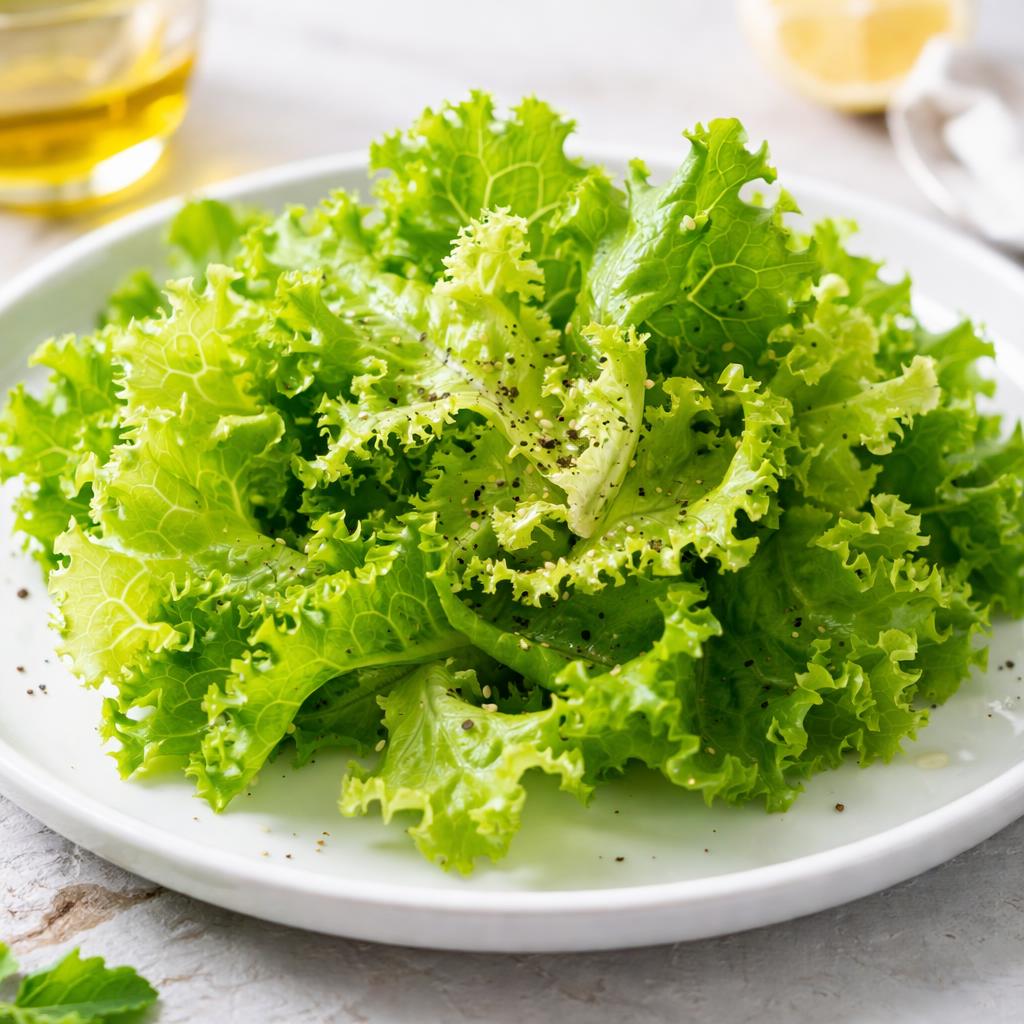
Lettuce
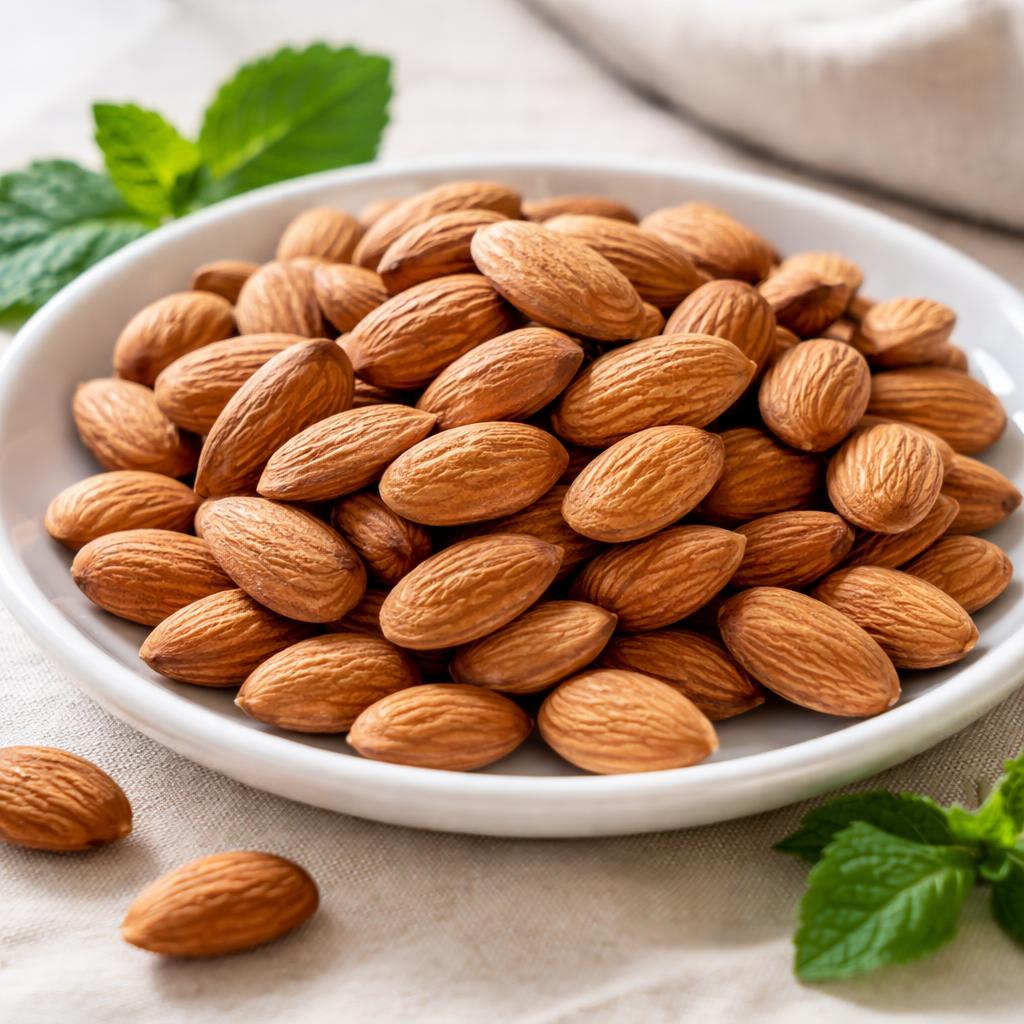
Almonds
🎯 Quick Verdict
Lettuce and almonds serve very different dietary purposes. Lettuce is extremely low in calories, making it ideal for weight loss or low-calorie meals, while almonds are nutrient-dense, rich in protein, healthy fats, and fiber. Choose lettuce for a light and refreshing addition to meals, and almonds for snacking or energy-packed recipes.

Smart Nutrition Tracking with SnapCalorie

📊 Nutritional Comparison
Macronutrients
| Nutrient | Food 1 | Food 2 | Winner |
|---|---|---|---|
| Calories | 15 | 164 | ✓ |
| Protein | 1g | 6g | ✓ |
| Carbs | 3g | 6g | ✓ |
| Fat | 0.2g | 14g | ✓ |
| Fiber | 1g | 4g | ✓ |
Vitamins & Minerals
| Nutrient | Food 1 | Food 2 | Winner |
|---|---|---|---|
| Vitamin A | 148mcg | 0mcg | ✓ |
| Vitamin C | 3.7mg | 0mg | ✓ |
| Vitamin E | 0mg | 7.3mg | ✓ |
| Calcium | 18mg | 76mg | ✓ |
| Iron | 0.3mg | 1mg | ✓ |
🏆 Category Winners
Protein
Almonds provide 6 grams of protein while lettuce only offers 1 gram.
Fiber
Almonds contain 4 grams of fiber versus lettuce's 1 gram.
Calories
Lettuce is significantly lower in calories with only 15 per serving compared to almonds' 164.
Vitamins
Lettuce shines in Vitamin A and C content, while almonds excel in Vitamin E and minerals like calcium and iron.
🥗 Diet Compatibility
Keto
Food 1: Compatible
Food 2: Compatible
Both foods fit into a ketogenic diet due to their low carb values.
Vegan
Food 1: Compatible
Food 2: Compatible
Both lettuce and almonds are plant-based and fit vegan diets.
Gluten Free
Food 1: Compatible
Food 2: Compatible
Neither food contains gluten.
Paleo
Food 1: Compatible
Food 2: Compatible
Both foods align with paleo principles as unprocessed whole foods.
Low-Carb
Food 1: Compatible
Food 2: Compatible
Both foods are relatively low in carbohydrates, with lettuce being extremely low.
💪 Health Benefits Comparison
Food 1 Benefits
- Very low calorie content aids in weight management.
- Rich in Vitamin A for eye health.
- Provides hydration due to high water content.
- Good source of Vitamin C to support the immune system.
Food 2 Benefits
- High in protein for muscle maintenance and energy.
- Rich in healthy fats for heart health.
- Excellent source of Vitamin E, an antioxidant.
- Provides significant calcium and iron for bone strength and red blood cell production.
✅ The Bottom Line
Choose lettuce for extremely low-calorie meals or salads where hydration and light flavor are ideal. Opt for almonds as a nutrient-packed snack or ingredient for boosting protein and fiber content in recipes. Both foods complement a variety of diets but serve vastly different nutritional needs.
Choose Food 1 for: Weight loss, hydrating meals, vitamin-rich salads
Choose Food 2 for: Energy-boosting snacks, healthy fats, protein supplementation


