Keto Bread VS Sour Dough Bread
A detailed nutritional comparison
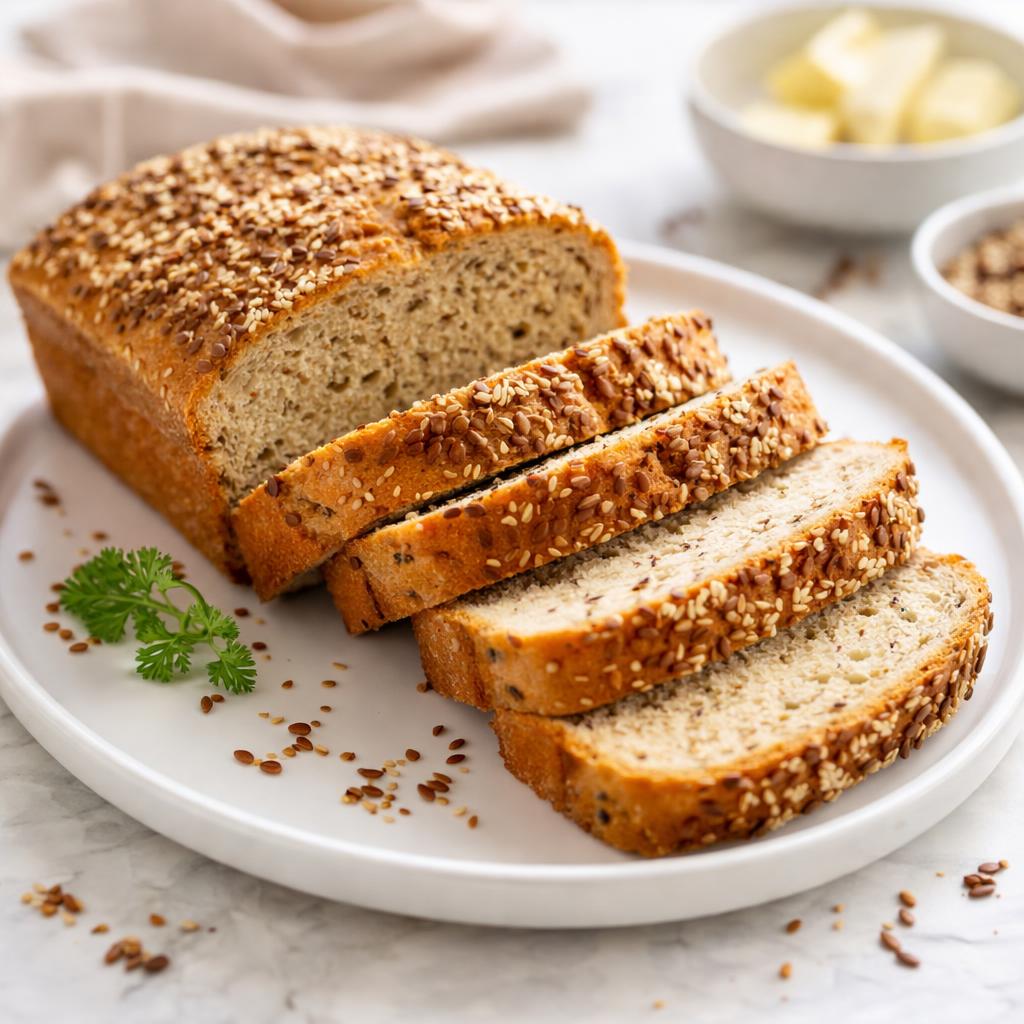
Keto Bread
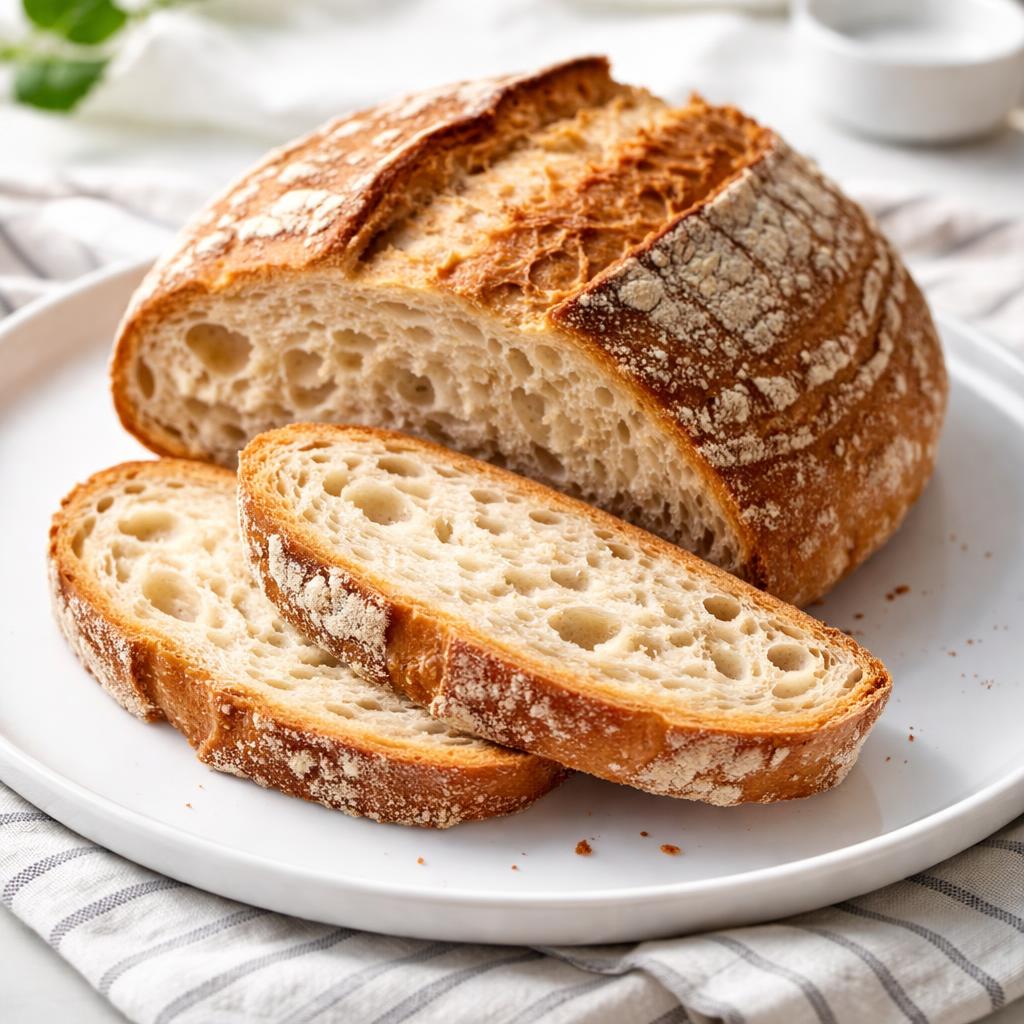
Sour Dough Bread
🎯 Quick Verdict
Keto bread and sourdough bread differ significantly in their nutritional profiles. Keto bread is lower in calories and carbohydrates, making it more suitable for weight loss and low-carb diets. Sourdough bread, on the other hand, has more natural probiotics and nutrients, good for gut health and general well-being. Choose depending on dietary goals and preferences.

Smart Nutrition Tracking with SnapCalorie

📊 Nutritional Comparison
Macronutrients
| Nutrient | Food 1 | Food 2 | Winner |
|---|---|---|---|
| Calories | 70 | 180 | ✓ |
| Protein | 6g | 4g | ✓ |
| Carbs | 3g | 35g | ✓ |
| Fat | 3g | 1g | ✓ |
| Fiber | 2g | 2g | − |
Vitamins & Minerals
| Nutrient | Food 1 | Food 2 | Winner |
|---|---|---|---|
| Vitamin B1 | 0mg | 0.1mg | ✓ |
| Niacin (B3) | 0mg | 2mg | ✓ |
| Calcium | 20mg | 80mg | ✓ |
🏆 Category Winners
Protein
Keto bread has 50% more protein per serving.
Fiber
Both provide comparable amounts of fiber.
Calories
Keto bread has 60% fewer calories.
Vitamins
Sourdough bread has higher natural vitamins like B1 and niacin.
🥗 Diet Compatibility
Keto
Food 1: Compatible
Food 2: Not Compatible
Keto bread is low-carb and fits ketogenic guidelines.
Vegan
Food 1: Compatible
Food 2: Compatible
Both can be vegan depending on preparation.
Gluten Free
Food 1: Depends on the brand
Food 2: Not Compatible
Many keto breads are gluten-free; sourdough is wheat-based.
Paleo
Food 1: Compatible
Food 2: Not Compatible
Keto bread can be grain-free, whereas sourdough contains grains.
Low-Carb
Food 1: Compatible
Food 2: Not Compatible
Keto bread has significantly lower carbs (3g per serving).
💪 Health Benefits Comparison
Food 1 Benefits
- Low-carb and high protein, ideal for weight management
- Provides healthy fats for sustained energy
- Often gluten-free, suitable for sensitive individuals
Food 2 Benefits
- Rich in probiotics, supporting gut health
- Higher in vitamins like B1 and niacin for energy production
- Provides complex carbohydrates for sustained energy
✅ The Bottom Line
Keto bread is great for those following keto, paleo, or low-carb diets, or aiming for weight loss and high protein intake. Sourdough bread is an excellent option for those seeking natural probiotics and a nutrient-dense, comforting food choice. Base your decision on your dietary goals and macronutrient needs.
Choose Food 1 for: Weight loss, keto and paleo diets, gluten sensitivities
Choose Food 2 for: Gut health, traditional diets, sustained energy needs


