Keto Bread VS Soba Noodles
A detailed nutritional comparison
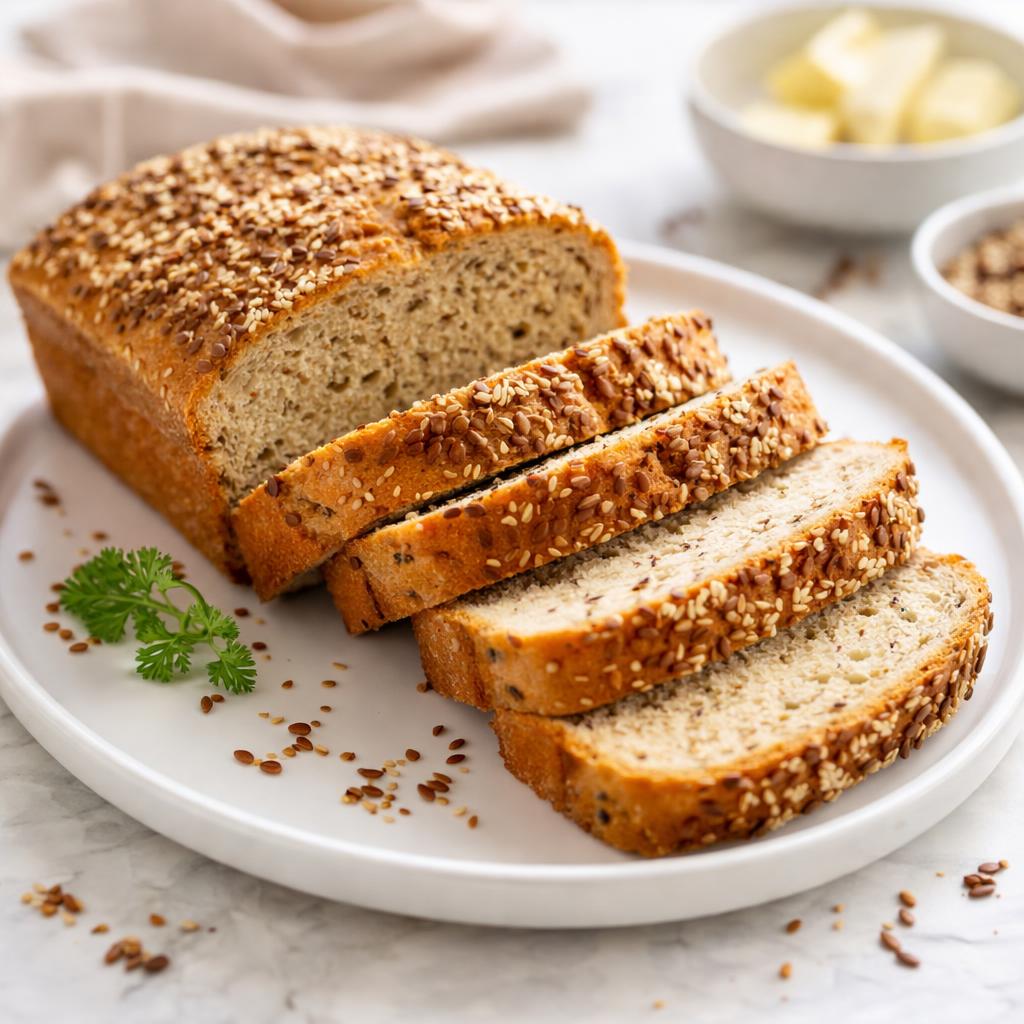
Keto Bread
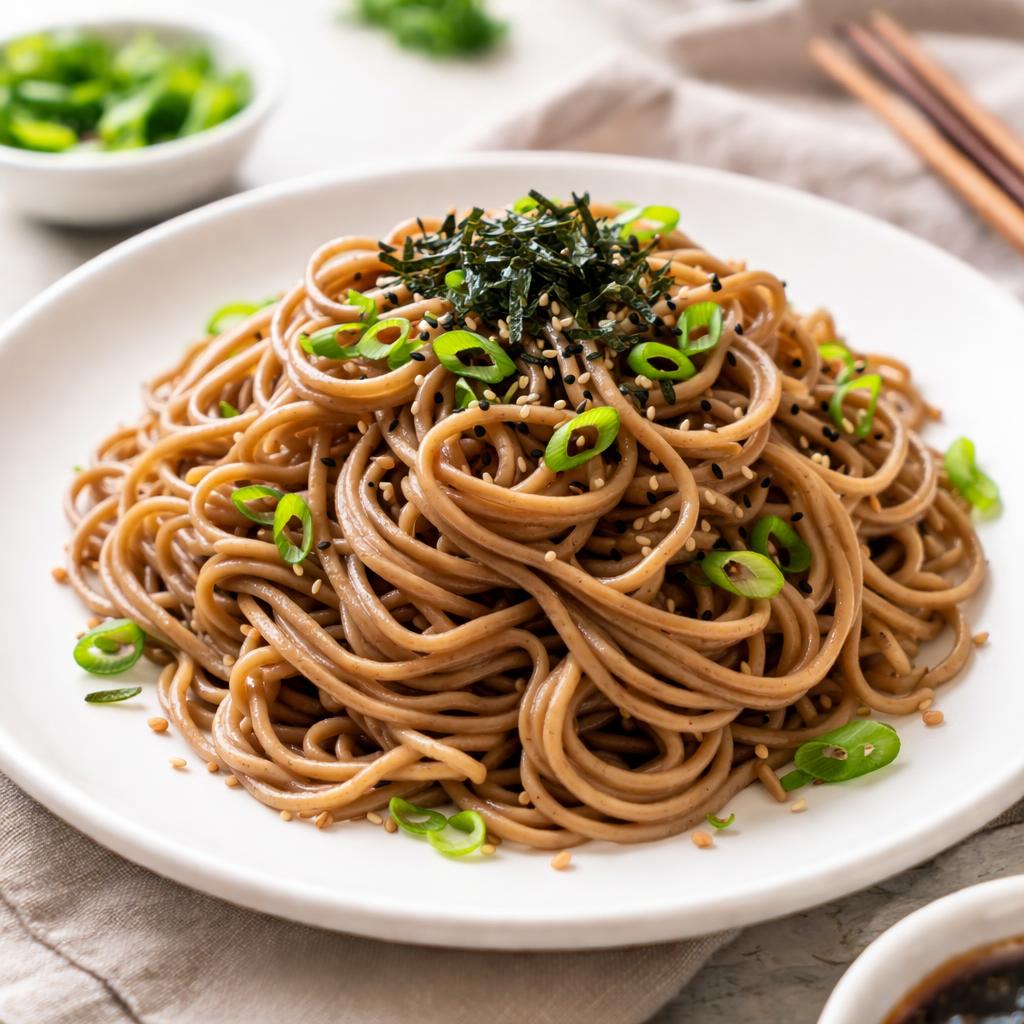
Soba Noodles
🎯 Quick Verdict
Keto bread is lower in calories and carbs, making it ideal for low-carb or ketogenic diets. Soba noodles, on the other hand, are higher in protein and fiber, providing more sustained energy and better digestion support. Each food serves distinct dietary needs based on its unique nutrient profile.

Smart Nutrition Tracking with SnapCalorie

📊 Nutritional Comparison
Macronutrients
| Nutrient | Food 1 | Food 2 | Winner |
|---|---|---|---|
| Calories | 70 | 200 | ✓ |
| Protein | 5g | 8g | ✓ |
| Carbs | 2g | 40g | ✓ |
| Fat | 4g | 1g | ✓ |
| Fiber | 2g | 3g | ✓ |
Vitamins & Minerals
| Nutrient | Food 1 | Food 2 | Winner |
|---|---|---|---|
| Vitamin D | 0mcg | 0mcg | − |
| Calcium | 50mg | 20mg | ✓ |
| Iron | 0.5mg | 2mg | ✓ |
🏆 Category Winners
Protein
Soba noodles offer 60% more protein per serving than keto bread.
Fiber
Soba noodles have 50% more fiber than keto bread.
Calories
Keto bread has 65% fewer calories per serving than soba noodles.
🥗 Diet Compatibility
Keto
Food 1: Highly Compatible
Food 2: Not Compatible
Food1 is low in carbs (2g per serving), while Food2 contains 40g carbs per serving.
Vegan
Food 1: Compatible
Food 2: Compatible
Both foods are plant-based products.
Gluten Free
Food 1: Depends on the recipe
Food 2: Not Compatible
Keto bread may or may not contain gluten depending on the flour used. Soba noodles typically contain gluten from wheat flour.
Paleo
Food 1: Not Compatible
Food 2: Not Compatible
Neither food is paleo-friendly due to reliance on processed ingredients.
Low-Carb
Food 1: Compatible
Food 2: Not Compatible
Food1 is specifically designed for low-carb diets, while Food2 has high carb content.
💪 Health Benefits Comparison
Food 1 Benefits
- Low in calories, supporting weight loss
- Very low in carbs, ideal for ketogenic diets
- Contains healthy fats for energy and satiety
- May provide a convenient bread alternative for gluten-sensitive diets (depending on recipe)
Food 2 Benefits
- High in protein to support muscle repair and growth
- Rich in fiber for better digestion and gut health
- Contains essential minerals like iron for energy and overall health
- Provides complex carbs for long-lasting energy
✅ The Bottom Line
Keto bread is the better choice for those on low-carb, keto, or calorie-restricted diets, while soba noodles are excellent for balanced meals and high-energy needs due to their fiber and protein content. Each food serves specific dietary goals, making your choice dependent on your nutritional priorities.
Choose Food 1 for: Low-carb diets, weight loss, keto-friendly meals
Choose Food 2 for: Endurance athletes, balanced diets, sustained energy needs


