Keto Bread VS Buckwheat Bread
A detailed nutritional comparison
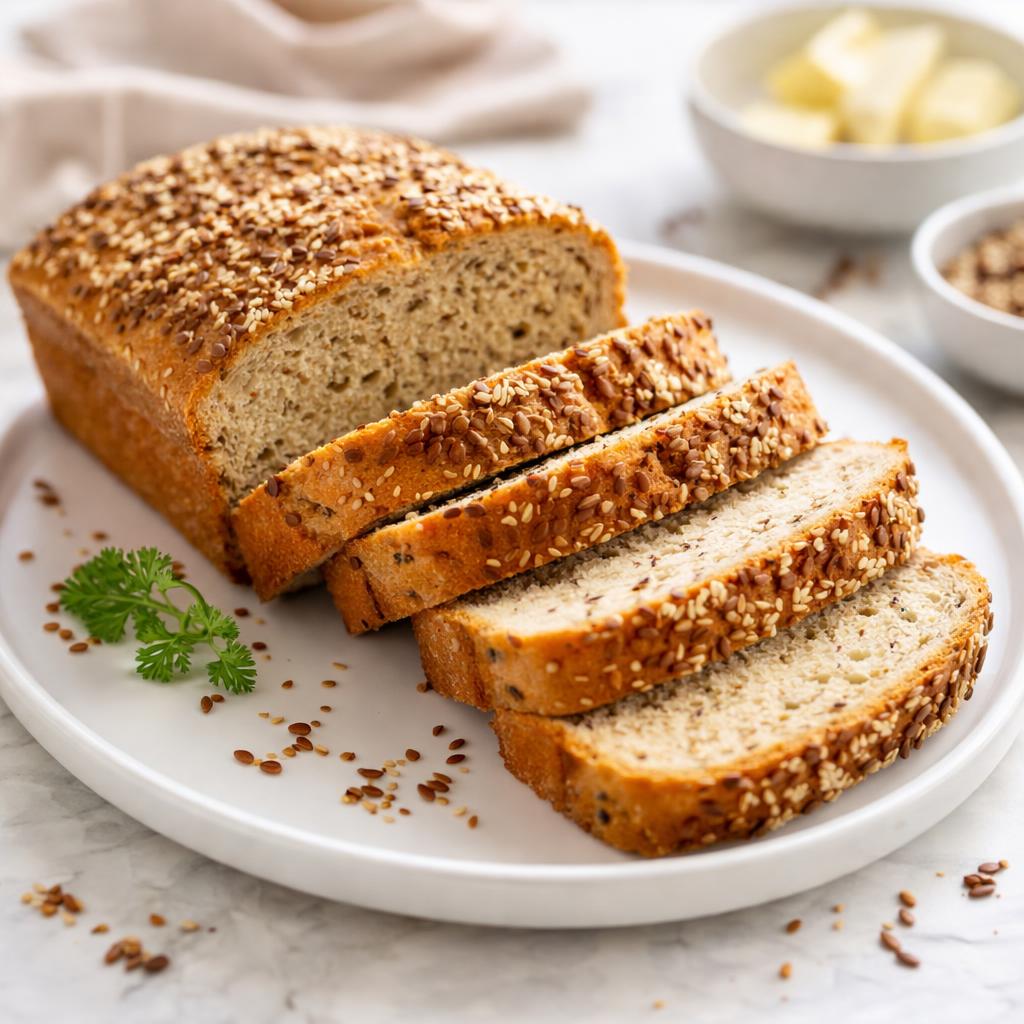
Keto Bread
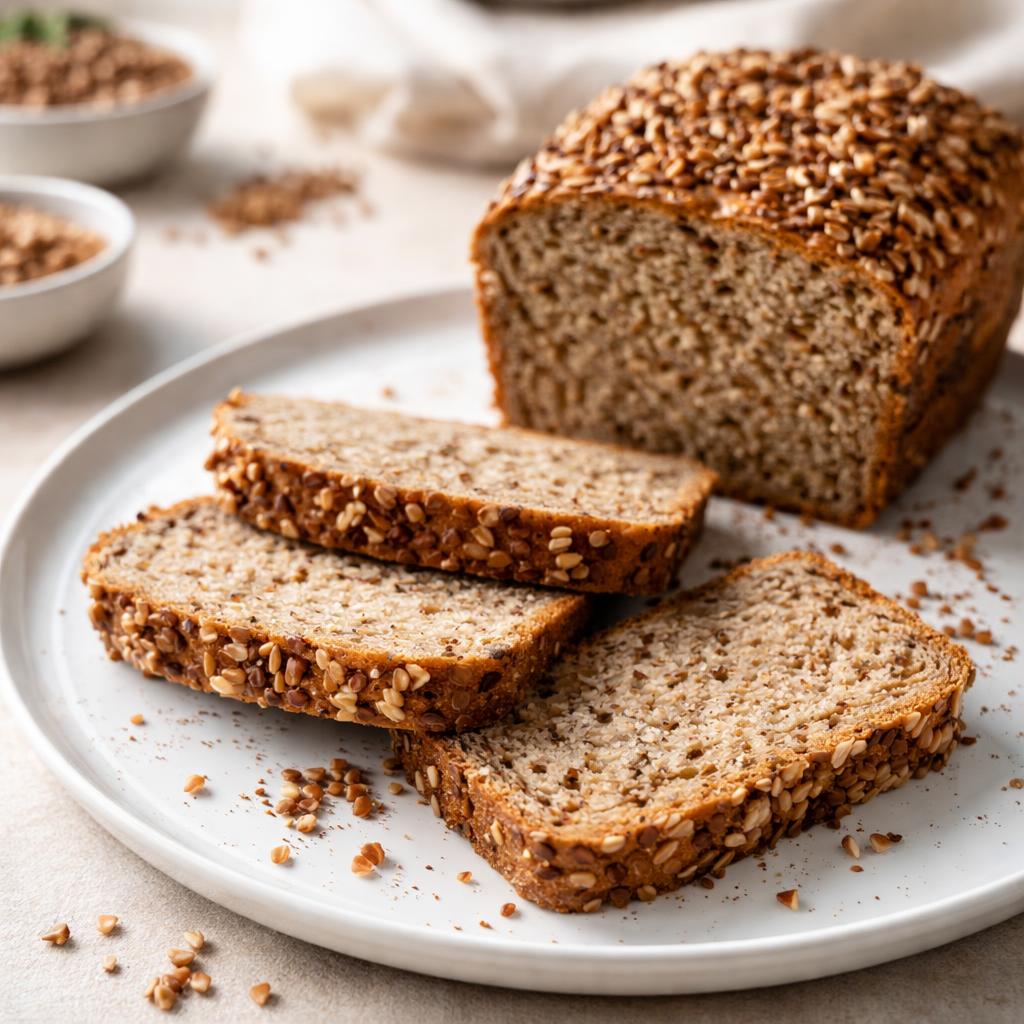
Buckwheat Bread
🎯 Quick Verdict
Keto bread is lower in carbs and calories, offering more protein per slice, making it ideal for low-carb diets. Buckwheat bread is rich in fiber and antioxidants, making it a great choice for digestive health and nutrient density. Both are gluten-free and suitable for vegan diets, but keto bread is specifically designed for ketogenic compatibility.

Smart Nutrition Tracking with SnapCalorie

📊 Nutritional Comparison
Macronutrients
| Nutrient | Food 1 | Food 2 | Winner |
|---|---|---|---|
| Calories | 90 | 120 | − |
| Protein | 6g | 4g | − |
| Carbs | 3g | 20g | − |
| Fat | 5g | 2g | − |
| Fiber | 2g | 4g | − |
Vitamins & Minerals
| Nutrient | Food 1 | Food 2 | Winner |
|---|---|---|---|
| Vitamin B6 | 0.2mg | 0.5mg | − |
| Magnesium | 10mg | 60mg | − |
| Iron | 1mg | 2mg | − |
🏆 Category Winners
Protein
Keto bread has 50% more protein per serving compared to buckwheat bread.
Fiber
Buckwheat bread contains twice the amount of fiber, supporting gut health.
Calories
With only 90 calories per slice, keto bread offers a lower-calorie alternative.
Vitamins
Buckwheat bread is richer in vitamin B6, magnesium, and iron, contributing to its nutrient density.
🥗 Diet Compatibility
Keto
Food 1: Unknown
Food 2: Unknown
Keto bread is designed to be low-carb, whereas buckwheat bread has 20g of carbs per serving.
Vegan
Food 1: Unknown
Food 2: Unknown
Both breads are plant-based and free from animal-derived products.
Gluten Free
Food 1: Unknown
Food 2: Unknown
Both breads are made without gluten-containing grains.
Paleo
Food 1: Unknown
Food 2: Unknown
Neither bread adheres strictly to paleo guidelines due to processing and use of ingredients like buckwheat and almond flour.
Low-Carb
Food 1: Unknown
Food 2: Unknown
Keto bread has only 3g of carbs, making it ideal for low-carb diets.
💪 Health Benefits Comparison
Food 1 Benefits
Food 2 Benefits
✅ The Bottom Line
Choose keto bread for low-carb, weight loss, or ketogenic diets where protein and healthy fats are prioritized. Opt for buckwheat bread if you need digestive support, nutrient density, and antioxidants for overall health. Both breads work for vegan and gluten-free lifestyles, but their carb content makes them suitable for vastly different dietary goals.


