Jasmine Rice VS Uncooked Rice
A detailed nutritional comparison
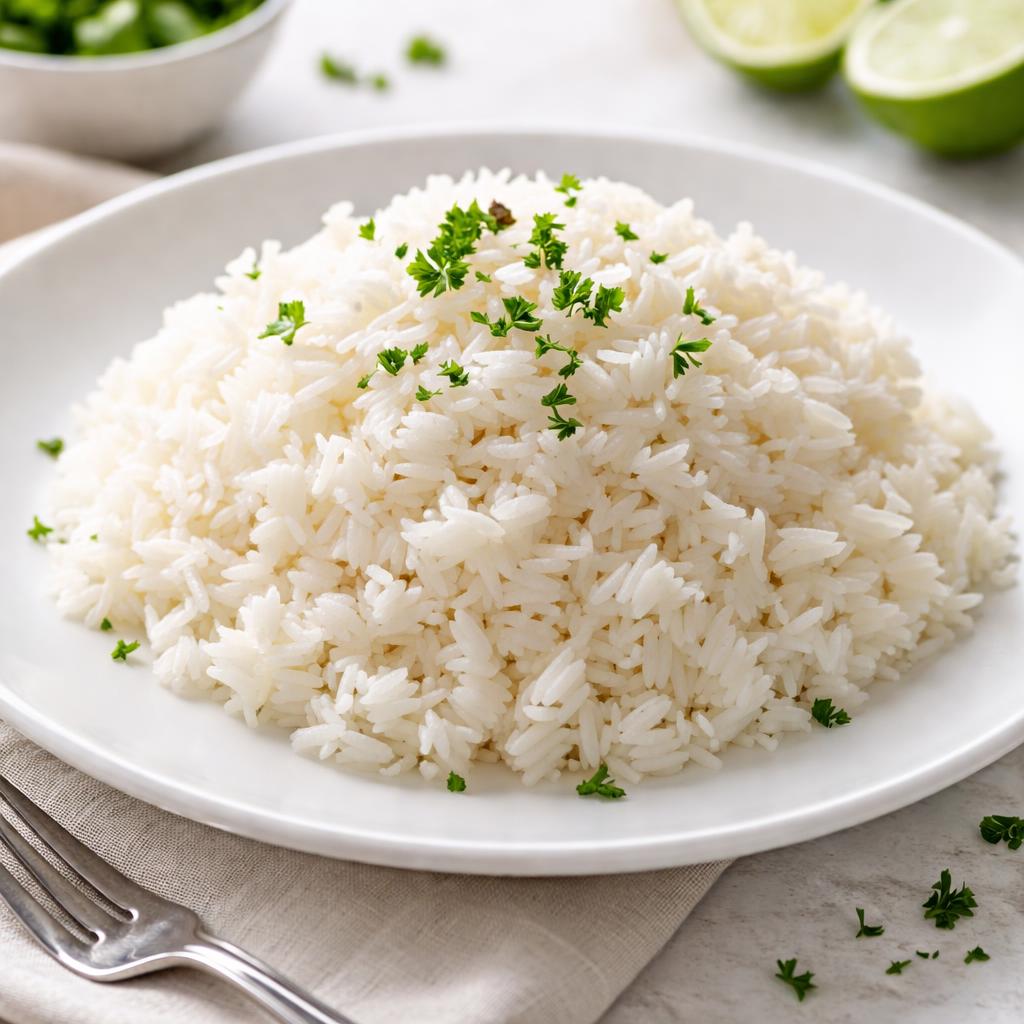
Jasmine Rice
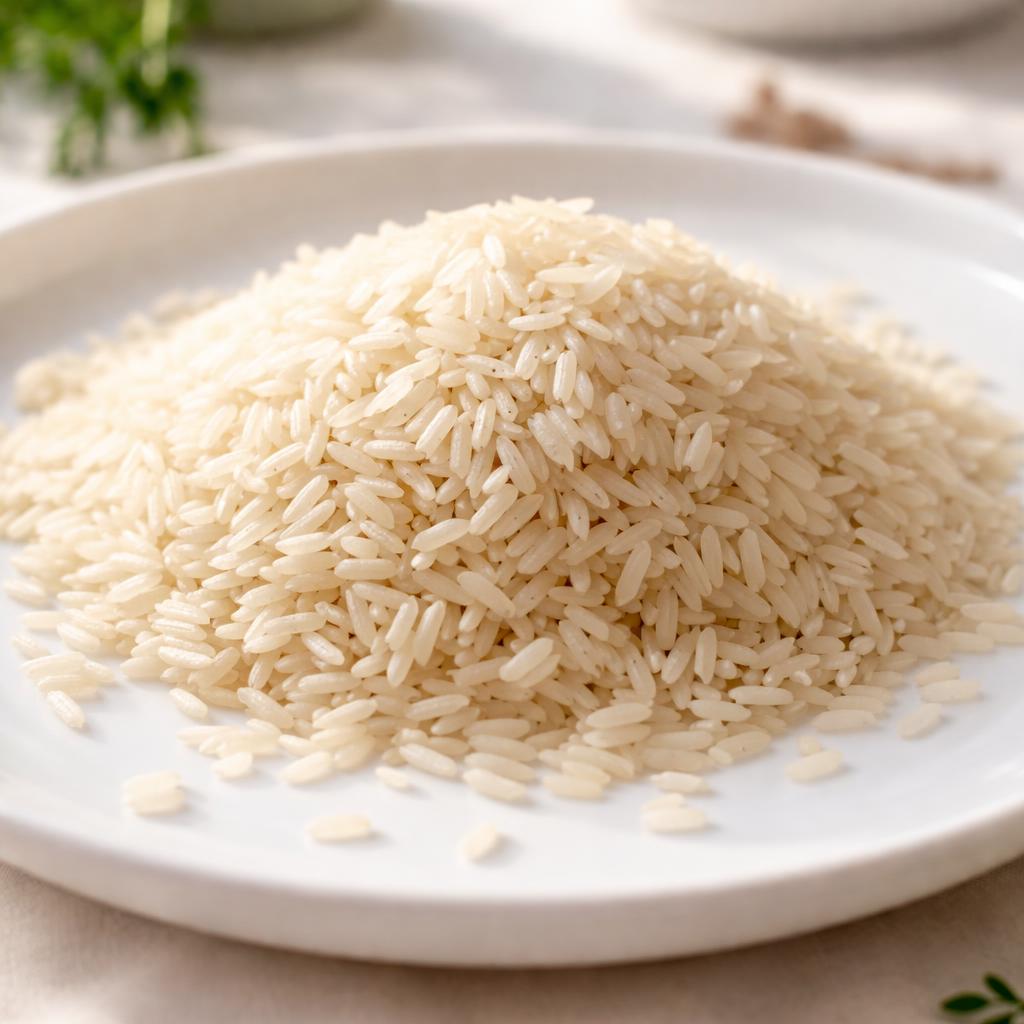
Uncooked Rice
🎯 Quick Verdict
Jasmine rice and uncooked rice differ primarily in preparation and slight nutritional values. Uncooked rice has slightly more fiber and fewer calories per serving, making it more nutrient-dense. Jasmine rice is aromatic and suited for easy meal prep and flavorful dishes. Uncooked rice offers better raw nutrient retention and broader applications in various diets.

Smart Nutrition Tracking with SnapCalorie

📊 Nutritional Comparison
Macronutrients
| Nutrient | Food 1 | Food 2 | Winner |
|---|---|---|---|
| Calories | 205 | 130 | ✓ |
| Protein | 4.2g | 4.2g | − |
| Carbs | 45g | 28.7g | ✓ |
| Fat | 0.4g | 0.3g | ✓ |
| Fiber | 0.6g | 1g | ✓ |
Vitamins & Minerals
| Nutrient | Food 1 | Food 2 | Winner |
|---|---|---|---|
| Vitamin D | 0mcg | 0mcg | − |
| Calcium | 2mg | 10mg | ✓ |
| Iron | 0.2mg | 1.2mg | ✓ |
🏆 Category Winners
Protein
Both foods provide the same amount of protein per serving.
Fiber
Uncooked rice has 67% more fiber than jasmine rice.
Calories
Uncooked rice has 37% fewer calories per serving compared to jasmine rice.
Vitamins
Uncooked rice provides more calcium and iron, which play key roles in bone health and oxygen transport.
🥗 Diet Compatibility
Keto
Food 1: Not Compatible
Food 2: Not Compatible
Both are high-carb foods not suitable for keto diets.
Vegan
Food 1: Compatible
Food 2: Compatible
Both are plant-based and vegan-friendly.
Gluten Free
Food 1: Compatible
Food 2: Compatible
Neither contains gluten, making them safe for gluten-free diets.
Paleo
Food 1: Compatible
Food 2: Compatible
Both foods align with the paleo diet principles.
Low-Carb
Food 1: Not Compatible
Food 2: Not Compatible
Both are high in carbohydrates and thus unsuitable for low-carb diets.
💪 Health Benefits Comparison
Food 1 Benefits
- Easily digestible carb source for quick energy
- Pleasant aroma and flavor for enhancing meals
- Low fat content to support weight management
Food 2 Benefits
- Higher fiber content helps improve digestion
- Rich in iron supporting oxygen transport in the body
- Lower calorie density better for calorie-controlled diets
✅ The Bottom Line
Choose jasmine rice for simplicity, taste, and quick prep meals, especially for dishes needing light, fragrant rice. Opt for uncooked rice for a more nutrient-dense option, higher fiber, and lower calorie meals, ideal for overall diet quality improvement.
Choose Food 1 for: Flavorful dishes, quick energy, meal prep
Choose Food 2 for: Weight management, fiber intake, mineral density


