Jasmine Rice VS Cooked Basmati Rice
A detailed nutritional comparison
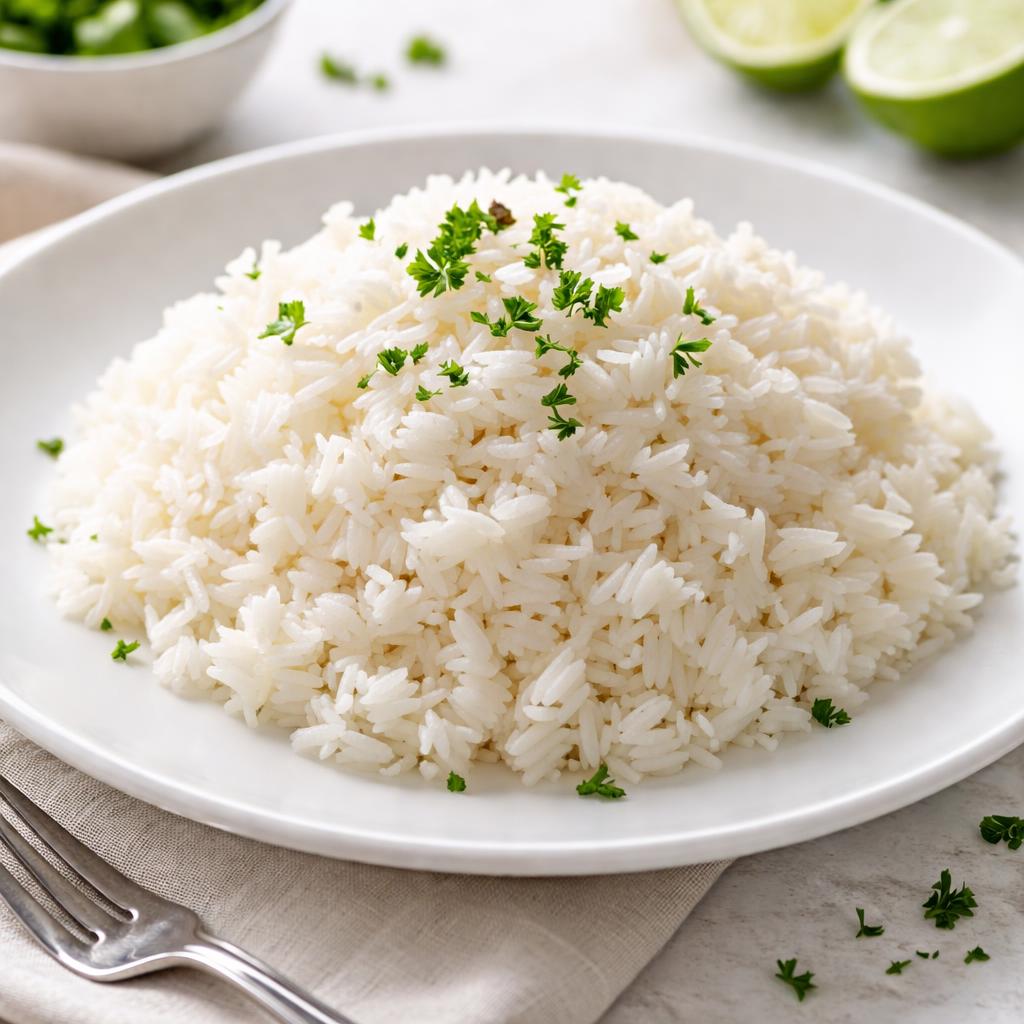
Jasmine Rice
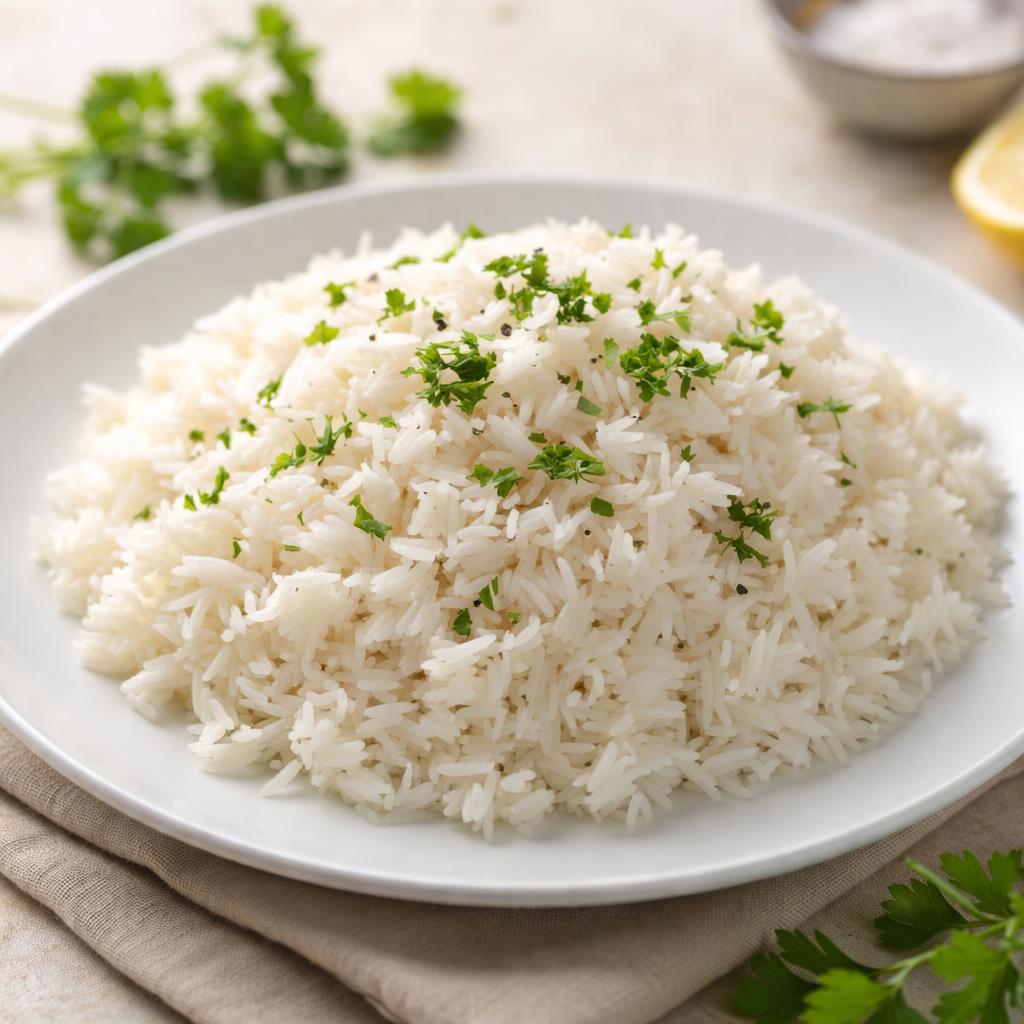
Cooked Basmati Rice
🎯 Quick Verdict
Jasmine rice and cooked basmati rice differ in their nutritional profile and culinary applications. Basmati rice is lower in calories and has a lower glycemic index, making it a better option for sustained energy and glucose management. Jasmine rice, on the other hand, is more aromatic and suited for dishes where flavor is a priority but lacks significant nutritional advantages over basmati rice.

Smart Nutrition Tracking with SnapCalorie

📊 Nutritional Comparison
Macronutrients
| Nutrient | Food 1 | Food 2 | Winner |
|---|---|---|---|
| Calories | 205 kcal (per cup) | 190 kcal (per cup) | ✓ |
| Protein | 4g | 4g | − |
| Carbs | 45g | 42g | ✓ |
| Fat | 0.4g | 0.5g | − |
| Fiber | 0.6g | 0.6g | − |
Vitamins & Minerals
| Nutrient | Food 1 | Food 2 | Winner |
|---|---|---|---|
| Thiamin (Vitamin B1) | 0.2mg | 0.1mg | ✓ |
| Niacin (Vitamin B3) | 1.2mg | 1mg | ✓ |
| Magnesium | 13mg | 14mg | ✓ |
| Iron | 0.2mg | 0.4mg | ✓ |
🏆 Category Winners
Protein
Both jasmine and basmati rice have 4g protein per cup.
Fiber
Fiber content is very similar, with 0.6g per cup for both.
Calories
Basmati rice contains 7% fewer calories per cup compared to jasmine rice.
Vitamins
Jasmine rice provides slightly more thiamin and niacin overall.
🥗 Diet Compatibility
Keto
Food 1: Not Compatible
Food 2: Not Compatible
Both are high-carb foods and not suitable for keto diets.
Vegan
Food 1: Compatible
Food 2: Compatible
Both are plant-based and appropriate for vegan diets.
Gluten Free
Food 1: Compatible
Food 2: Compatible
Neither contains gluten, making them safe for gluten-free diets.
Paleo
Food 1: Not Compatible
Food 2: Not Compatible
Both are grains, which are excluded in strict paleo diets.
Low-Carb
Food 1: Not Compatible
Food 2: Not Compatible
Both foods contain over 40g carbs per cup, exceeding low-carb thresholds.
💪 Health Benefits Comparison
Food 1 Benefits
- Quick source of energy due to high carbohydrate content
- Aromatic and suitable for enhancing the flavor of dishes
- Contains small amounts of B vitamins for energy metabolism
Food 2 Benefits
- Supports better blood sugar regulation due to a lower glycemic index
- Lower in calories, making it suitable for weight management
- Provides trace minerals like iron for healthy blood oxygen levels
✅ The Bottom Line
Basmati rice is nutritionally superior due to its lower glycemic index, lower calorie content, and trace mineral benefits, making it ideal for weight and glucose management. Jasmine rice, with its aromatic flavor, is best for dishes where taste and presentation are key. Choose jasmine rice for flavor-driven recipes and basmati rice for healthier meal options.
Choose Food 1 for: Asian cuisine, flavor-first recipes, quick energy boosts
Choose Food 2 for: Weight management, glucose control, balanced nutrient density


