Garlic Bread VS White Bread
A detailed nutritional comparison
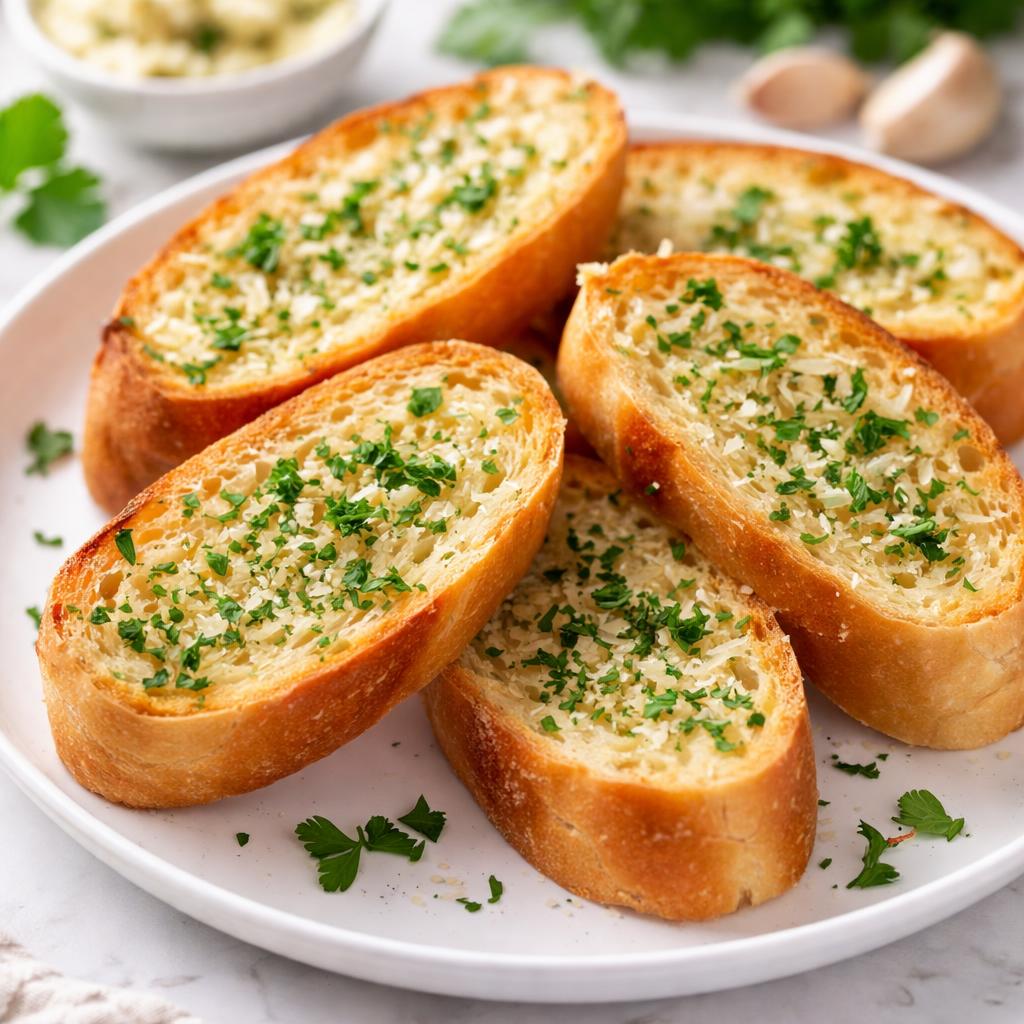
Garlic Bread
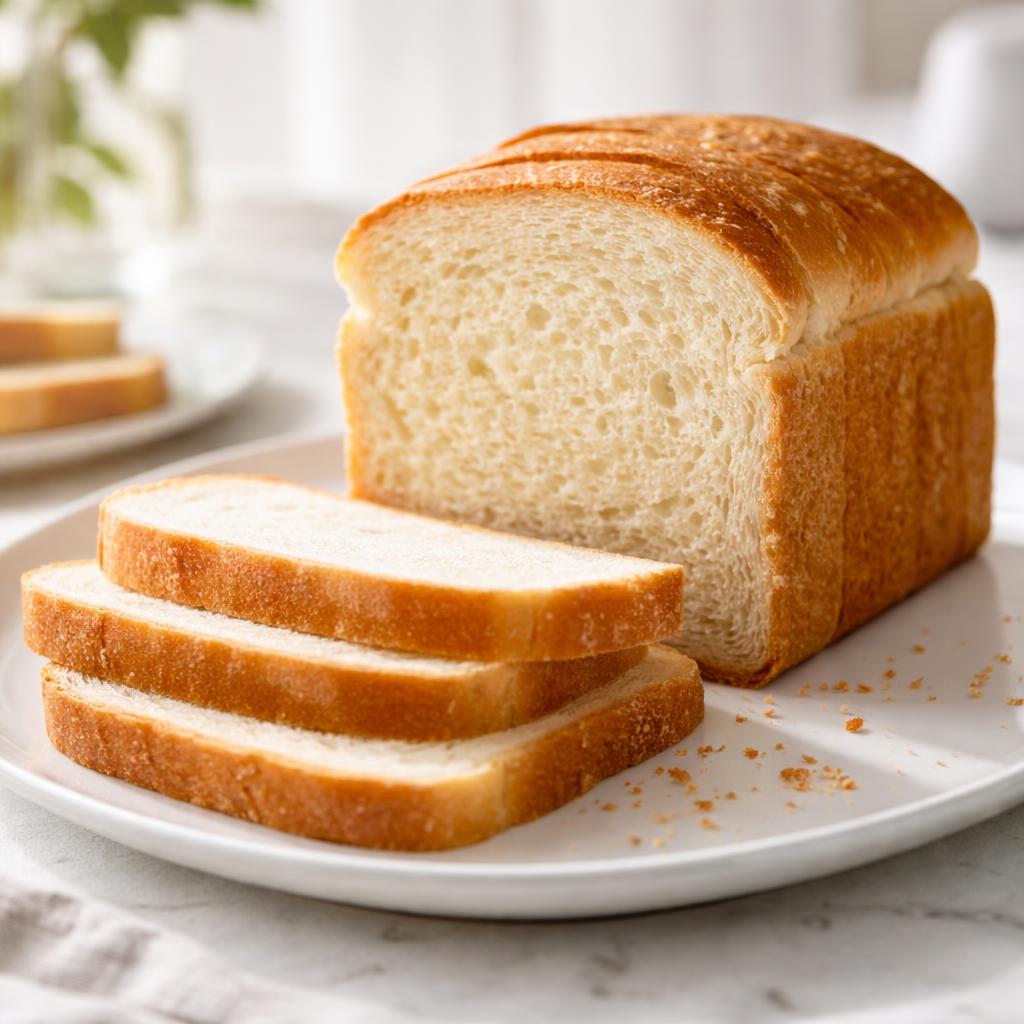
White Bread
🎯 Quick Verdict
White bread generally has fewer calories and slightly more fiber than garlic bread, making it more suitable for weight-conscious eating. Garlic bread, due to its higher fat and calorie content, is richer and more flavorful—a better option for indulgent or occasional meals. Both are not high in protein and should be accompanied by additional nutrient-dense foods to create balanced meals.

Smart Nutrition Tracking with SnapCalorie

📊 Nutritional Comparison
Macronutrients
| Nutrient | Food 1 | Food 2 | Winner |
|---|---|---|---|
| Calories | 220 | 130 | ✓ |
| Protein | 4g | 4g | − |
| Carbs | 24g | 25g | ✓ |
| Fat | 10g | 1g | ✓ |
| Fiber | 1g | 2g | ✓ |
Vitamins & Minerals
| Nutrient | Food 1 | Food 2 | Winner |
|---|---|---|---|
| Vitamin D | 0mcg | 0mcg | − |
| Calcium | 40mg | 90mg | ✓ |
| Iron | 1mg | 2mg | ✓ |
🏆 Category Winners
Protein
Both foods contain 4g of protein per serving.
Fiber
White bread contains double the fiber compared to garlic bread (2g vs 1g).
Calories
White bread has significantly fewer calories than garlic bread per serving (130 vs 220).
Vitamins
White bread provides more calcium and iron compared to garlic bread.
🥗 Diet Compatibility
Keto
Food 1: Not Compatible
Food 2: Not Compatible
Both are high-carb and do not fit into a keto diet.
Vegan
Food 1: Not Compatible
Food 2: Compatible
Garlic bread typically contains butter, while plain white bread is vegan.
Gluten Free
Food 1: Not Compatible
Food 2: Not Compatible
Both contain gluten from wheat.
Paleo
Food 1: Not Compatible
Food 2: Not Compatible
Neither food aligns with a paleo diet due to grain and processed ingredients.
Low-Carb
Food 1: Not Compatible
Food 2: Not Compatible
Both have high carbohydrate content with over 20g per serving.
💪 Health Benefits Comparison
Food 1 Benefits
- Provides quick energy from carbohydrates
- Adds richness and flavor to meals
- Source of monounsaturated fats from added oils
Food 2 Benefits
- Lower-calorie option for weight management
- Provides moderate fiber for digestion
- Rich in iron and calcium for bone health
✅ The Bottom Line
Choose white bread for a lighter, lower-calorie option that provides more fiber and essential minerals, making it a better everyday choice. Garlic bread is an indulgent option with more fat and flavor, perfect for occasional treats or enhancing meals. Both should be paired with nutrient-rich sides or toppings for balance.
Choose Food 1 for: Indulgent meals, side dish for Italian cuisine, occasional treat
Choose Food 2 for: Weight management, basic toast, sandwiches


