Garlic Bread VS Sourdough Bread
A detailed nutritional comparison

Garlic Bread
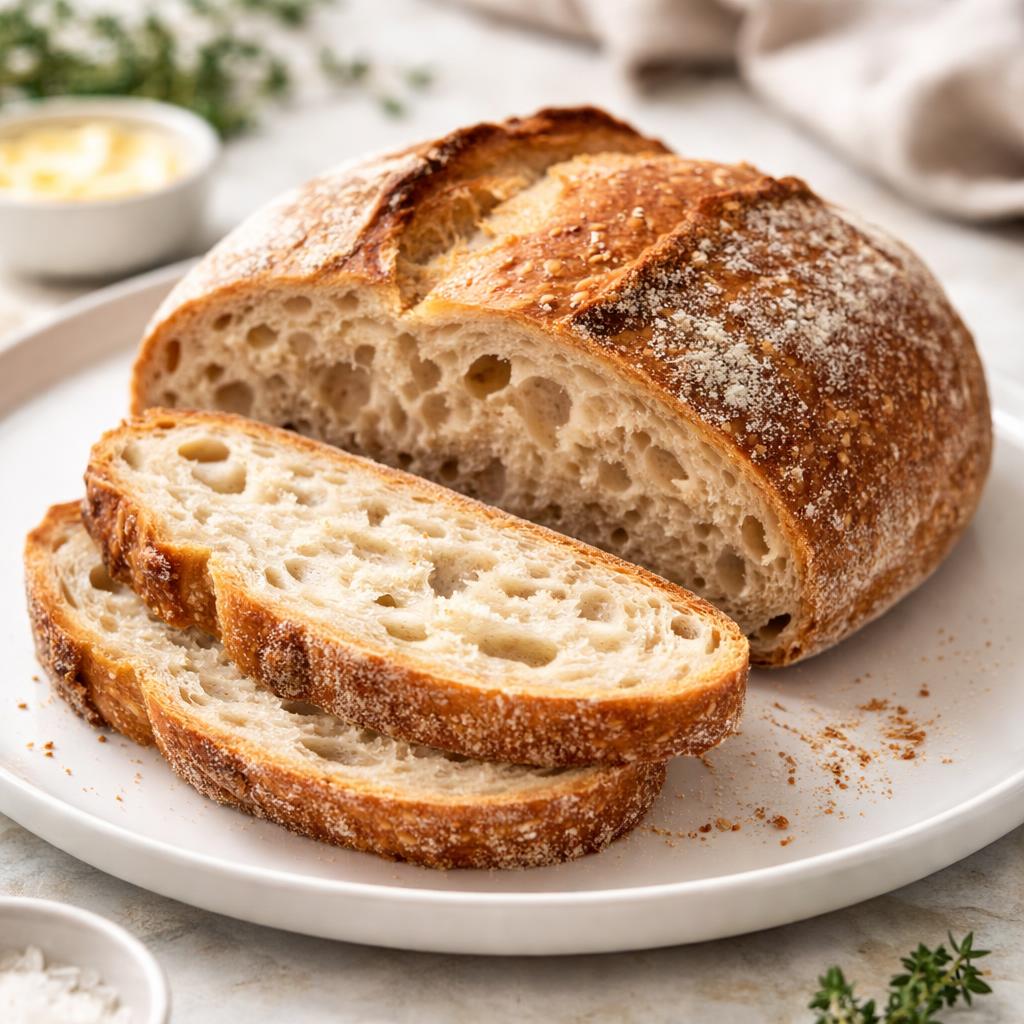
Sourdough Bread
🎯 Quick Verdict
Sourdough bread is lower in calories and fat, while providing slightly more protein and fiber compared to garlic bread. Garlic bread is higher in fat and calories due to its butter and oil content, making it a more indulgent option rather than a daily choice. Sourdough bread is versatile for various dietary needs and is a good choice for those seeking a healthier staple bread option.

Smart Nutrition Tracking with SnapCalorie

📊 Nutritional Comparison
Macronutrients
| Nutrient | Food 1 | Food 2 | Winner |
|---|---|---|---|
| Calories | 180 | 120 | ✓ |
| Protein | 5g | 6g | ✓ |
| Carbs | 28g | 25g | ✓ |
| Fat | 8g | 1g | ✓ |
| Fiber | 1g | 3g | ✓ |
Vitamins & Minerals
| Nutrient | Food 1 | Food 2 | Winner |
|---|---|---|---|
| Vitamin B1 | 0.1mg | 0.2mg | ✓ |
| Calcium | 20mg | 10mg | ✓ |
| Iron | 1mg | 2mg | ✓ |
🏆 Category Winners
Protein
Sourdough bread contains 20% more protein per serving.
Fiber
Sourdough bread has triple the fiber content compared to garlic bread.
Calories
Sourdough bread contains 33% fewer calories per serving.
Vitamins
Sourdough bread offers higher iron and Vitamin B1 content overall.
🥗 Diet Compatibility
Keto
Food 1: Not Compatible
Food 2: Not Compatible
Both are high-carb and unsuitable for keto.
Vegan
Food 1: Not Compatible
Food 2: Compatible
Garlic bread typically contains dairy-based butter.
Gluten Free
Food 1: Not Compatible
Food 2: Not Compatible
Both foods contain gluten.
Paleo
Food 1: Not Compatible
Food 2: Not Compatible
Grain-based breads are not allowed on a paleo diet.
Low-Carb
Food 1: Not Compatible
Food 2: Not Compatible
Both are relatively high in carbs.
💪 Health Benefits Comparison
Food 1 Benefits
- Provides a source of quick energy due to carbs
- Rich in flavor, making mealtime enjoyable
- Contains modest levels of calcium for bone health
Food 2 Benefits
- Higher fiber content supports digestion
- More protein aids muscle repair and growth
- Contains naturally occurring probiotics from fermentation (in traditional sourdough)
✅ The Bottom Line
Garlic bread is better suited for occasional indulgence or as part of a comfort meal, while sourdough bread is ideal as a healthier, nutrient-rich staple for daily use. Choose sourdough if you prioritize lower calories, more protein, and fiber, and garlic bread for richer flavor when taste takes priority.
Choose Food 1 for: Flavorful side dishes, indulgent meals, occasional treats
Choose Food 2 for: Daily bread alternative, fiber-rich diets, probiotic benefits


