Garlic Bread VS Sandwich Bread
A detailed nutritional comparison

Garlic Bread
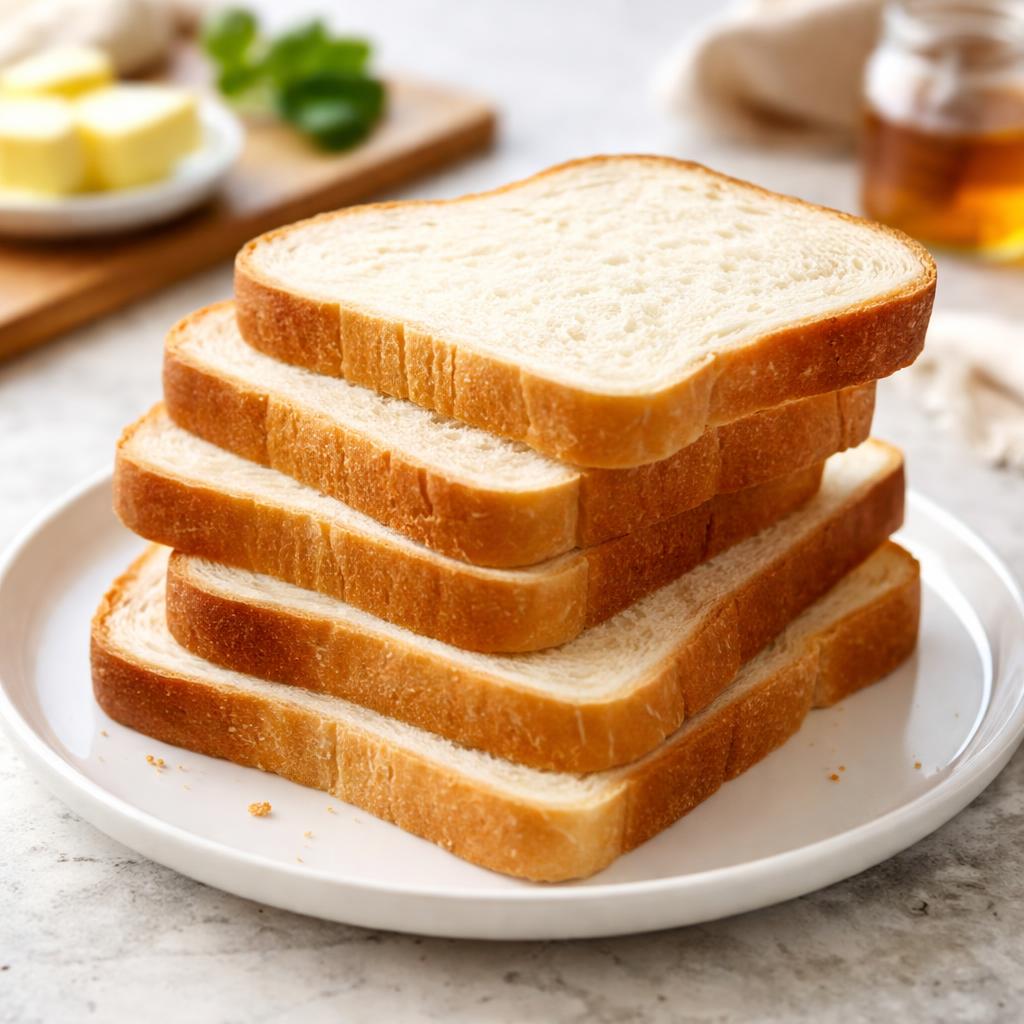
Sandwich Bread
🎯 Quick Verdict
While both garlic bread and sandwich bread are popular carbohydrate sources, sandwich bread outshines garlic bread in terms of protein, fiber, and calorie control. Garlic bread is higher in fat and calories due to the butter or oil used, making it energy dense but less diet-friendly for weight management goals. Opt for sandwich bread if you prioritize a healthier everyday option and reserve garlic bread for indulgent occasions.

Smart Nutrition Tracking with SnapCalorie

📊 Nutritional Comparison
Macronutrients
| Nutrient | Food 1 | Food 2 | Winner |
|---|---|---|---|
| Calories | 210 | 80 | ✓ |
| Protein | 4g | 5g | ✓ |
| Carbs | 25g | 15g | ✓ |
| Fat | 9g | 1g | ✓ |
| Fiber | 1g | 2g | ✓ |
Vitamins & Minerals
| Nutrient | Food 1 | Food 2 | Winner |
|---|---|---|---|
| Vitamin D | 0mcg | 0mcg | − |
| Calcium | 50mg | 80mg | ✓ |
| Iron | 1mg | 2mg | ✓ |
🏆 Category Winners
Protein
Sandwich bread has slightly more protein (5g vs 4g).
Fiber
Sandwich bread contains twice as much fiber as garlic bread.
Calories
Sandwich bread has significantly fewer calories per serving (80 vs 210).
Vitamins
Sandwich bread contains more calcium and iron overall.
🥗 Diet Compatibility
Keto
Food 1: Not Compatible
Food 2: Not Compatible
Both are high in carbohydrates.
Vegan
Food 1: Not Compatible
Food 2: Compatible
Garlic bread often contains butter, while sandwich bread is typically plant-based.
Gluten Free
Food 1: Not Compatible
Food 2: Not Compatible
Neither is gluten-free unless labeled explicitly.
Paleo
Food 1: Not Compatible
Food 2: Not Compatible
Both are grain-based and not compliant with paleo guidelines.
Low-Carb
Food 1: Not Compatible
Food 2: Not Compatible
Both exceed typical low-carb limits due to high carbohydrate content.
💪 Health Benefits Comparison
Food 1 Benefits
- Provides quick energy due to high carbohydrate content
- Flavorful option that adds variety to meals
- May contain moderate amounts of garlic with antioxidants
Food 2 Benefits
- Lower in calories for easier weight management
- Higher protein content for supporting muscle maintenance
- Source of dietary fiber for improved digestion
✅ The Bottom Line
Choose sandwich bread for everyday use, especially if you're looking for a lower-calorie, higher-protein, and higher-fiber option. Garlic bread is better suited for indulgent occasions or as a flavorful side dish.
Choose Food 1 for: Cheat meals, flavor enhancement, quick carb energy
Choose Food 2 for: Weight-conscious diets, muscle maintenance, balanced meals


