Garlic Bread VS Rice With Herbs
A detailed nutritional comparison
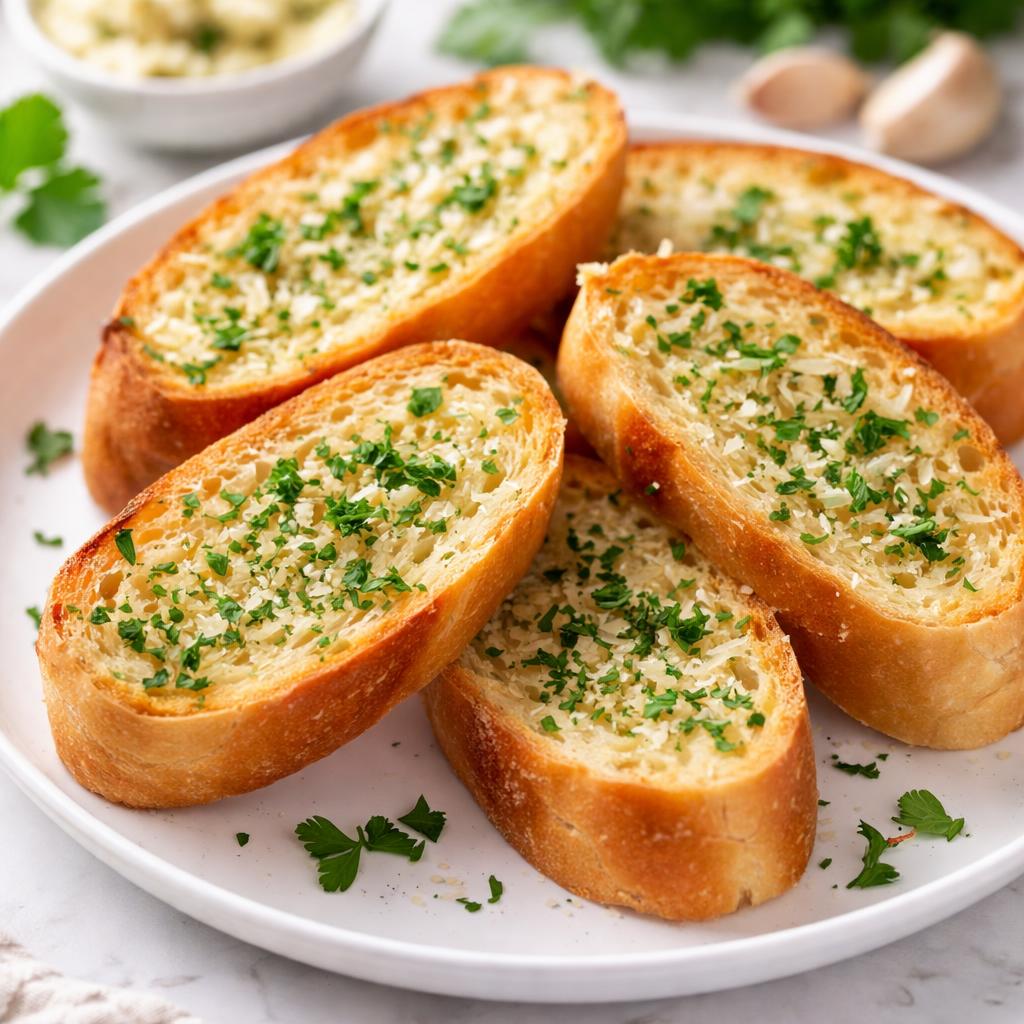
Garlic Bread
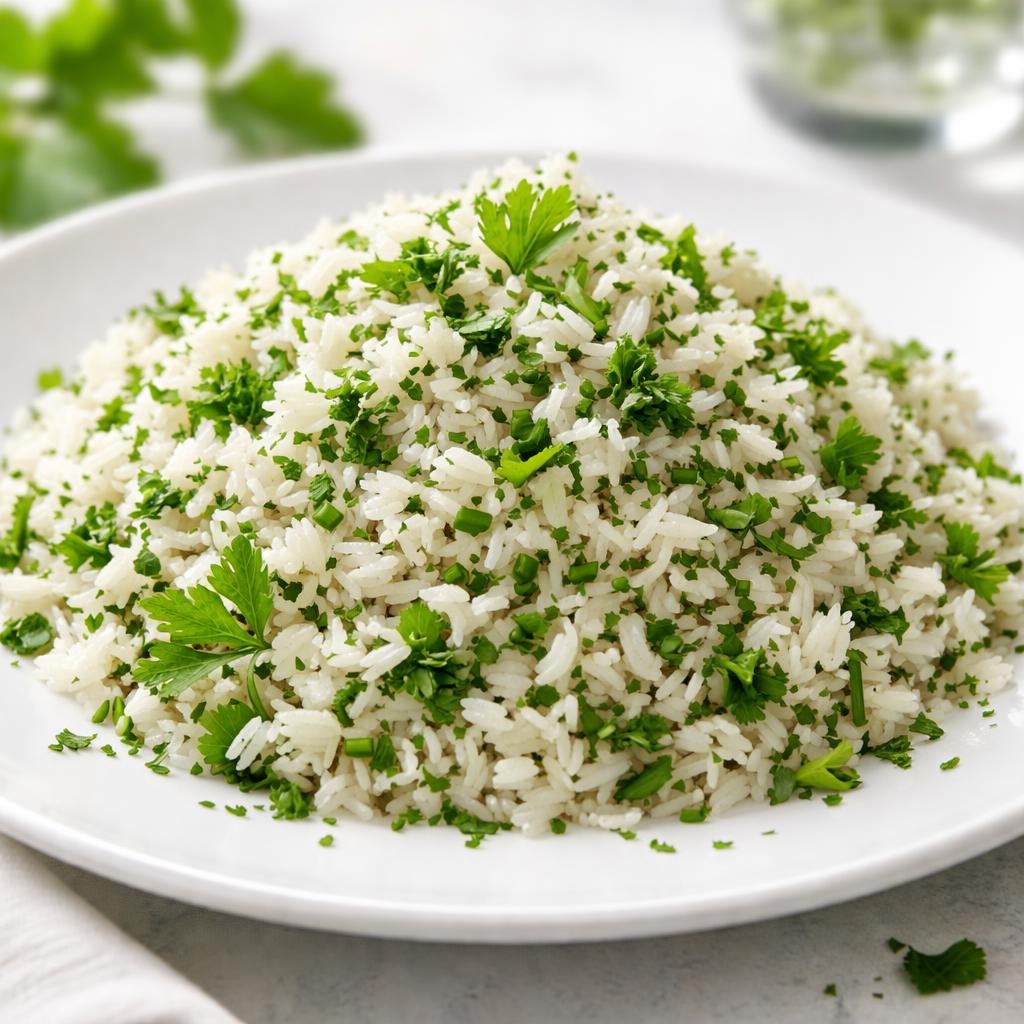
Rice With Herbs
🎯 Quick Verdict
Rice with herbs is overall the more nutrient-dense and lower-calorie option, offering higher fiber and fewer fats compared to garlic bread. Garlic bread provides a more indulgent flavor profile and slightly higher fat content, making it more suitable for occasional enjoyment rather than daily consumption. Rice with herbs, being a whole food, is versatile for a variety of dietary needs and healthier eating.

Smart Nutrition Tracking with SnapCalorie

📊 Nutritional Comparison
Macronutrients
| Nutrient | Food 1 | Food 2 | Winner |
|---|---|---|---|
| Calories | 180 | 130 | ✓ |
| Protein | 5g | 5g | − |
| Carbs | 30g | 27g | ✓ |
| Fat | 8g | 2g | ✓ |
| Fiber | 1g | 3g | ✓ |
Vitamins & Minerals
| Nutrient | Food 1 | Food 2 | Winner |
|---|---|---|---|
| Vitamin D | 0mcg | 0mcg | − |
| Calcium | 30mg | 15mg | ✓ |
| Iron | 0.7mg | 1.5mg | ✓ |
🏆 Category Winners
Protein
Both foods contain equal amounts of protein per serving.
Fiber
Rice with herbs has three times the fiber content of garlic bread.
Calories
Rice with herbs has 28% fewer calories per serving, making it lighter.
🥗 Diet Compatibility
Keto
Food 1: Not Compatible
Food 2: Not Compatible
Both are high in carbohydrates.
Vegan
Food 1: Not Compatible
Food 2: Compatible
Garlic bread may contain dairy (butter and cheese), while rice with herbs is fully plant-based.
Gluten Free
Food 1: Not Compatible
Food 2: Compatible
Garlic bread contains gluten, while rice is naturally gluten-free.
Paleo
Food 1: Not Compatible
Food 2: Compatible
Garlic bread is processed with refined flour, whereas rice aligns more closely with paleo principles.
Low-Carb
Food 1: Not Compatible
Food 2: Not Compatible
Both contain high amounts of carbohydrates and do not suit low-carb diets.
💪 Health Benefits Comparison
Food 1 Benefits
- Provides quick energy from carbs
- Contains moderate proteins for satiety
- Offers some calcium for bone health
Food 2 Benefits
- Supports digestive health with higher fiber content
- Rich source of iron for oxygen transport in the body
- Lower calorie option for weight management
✅ The Bottom Line
While garlic bread is an indulgent, flavorful option best enjoyed as a treat, rice with herbs is a healthier, nutrient-dense choice that suits balanced diets and accommodates more dietary restrictions. Choose garlic bread occasionally and rice with herbs for clean eating or lighter meals.
Choose Food 1 for: Flavorful treats, occasional indulgence, carb-based comfort food
Choose Food 2 for: Weight management, digestive health, lower-calorie diets


