Garlic Bread VS French Bread
A detailed nutritional comparison
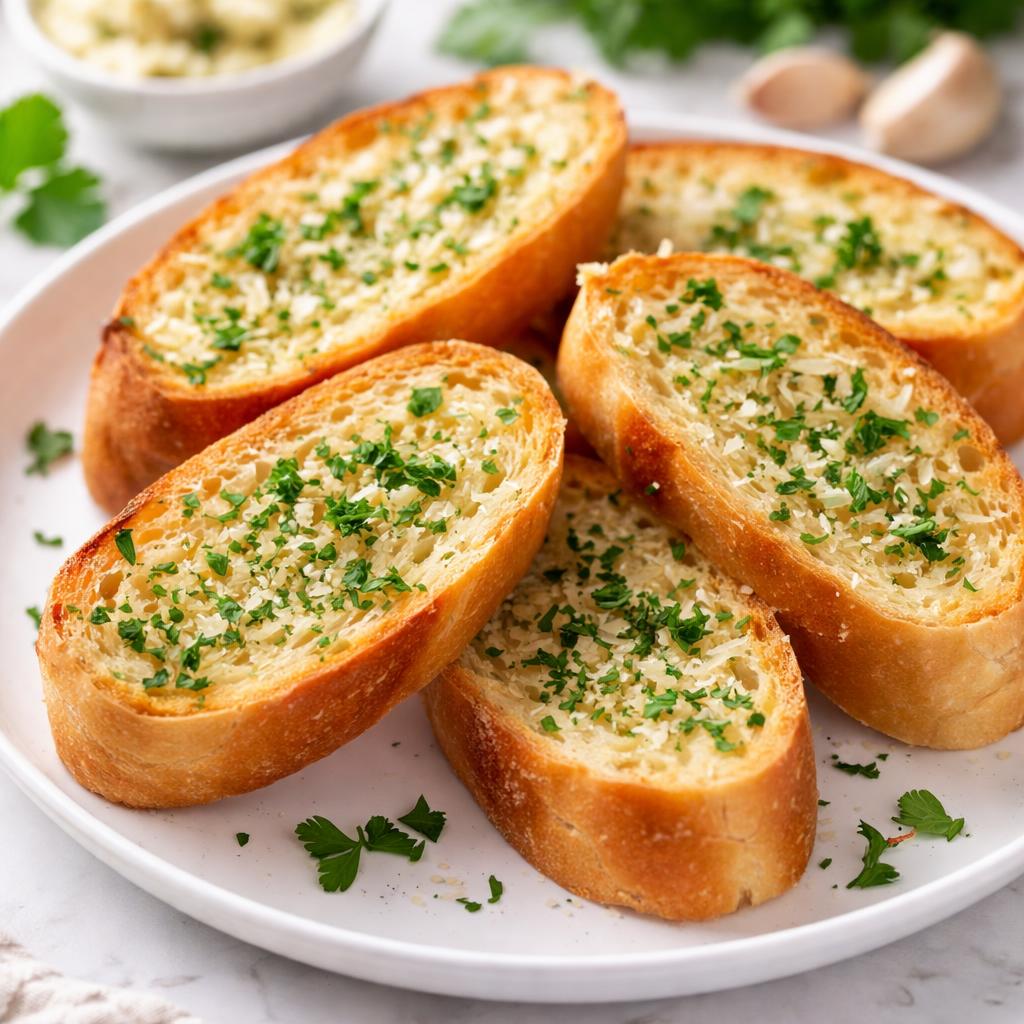
Garlic Bread
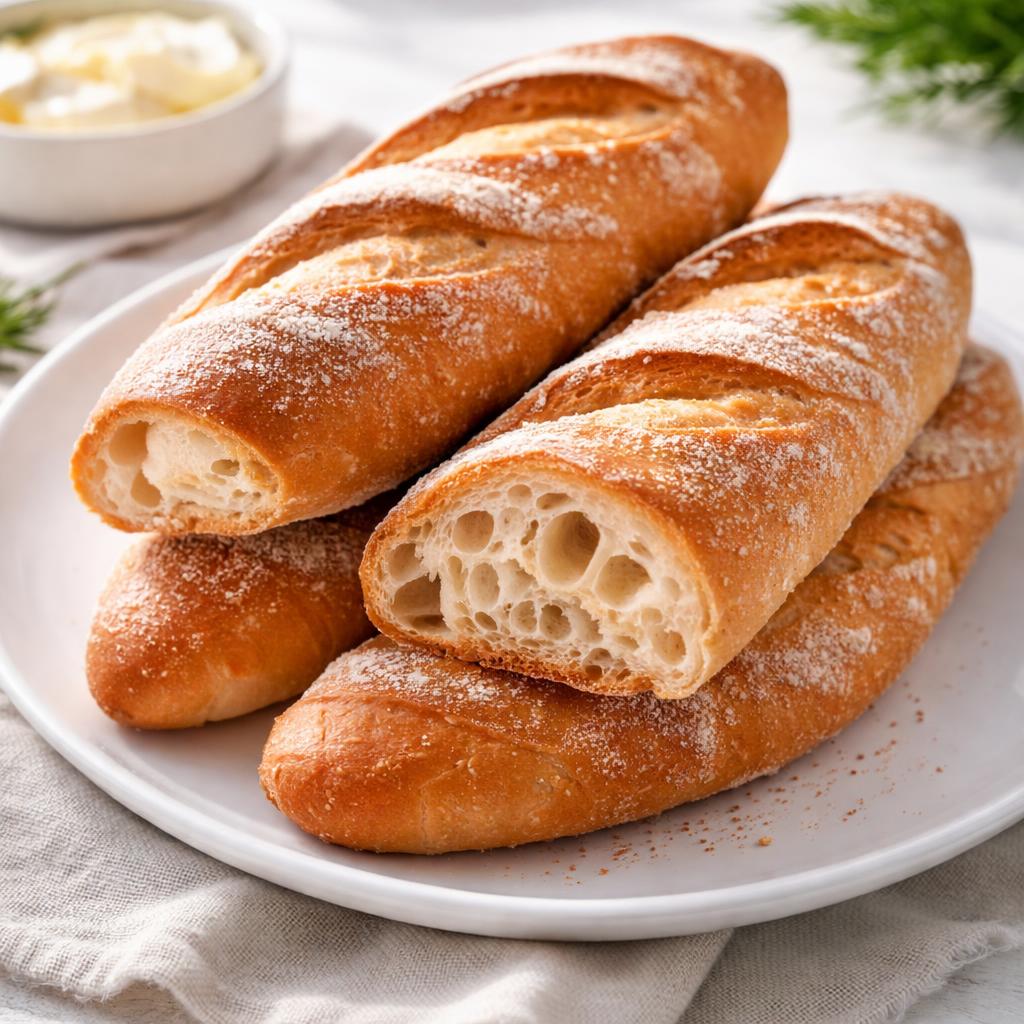
French Bread
🎯 Quick Verdict
Garlic bread and french bread offer distinct nutritional profiles. French bread is slightly higher in protein and fiber, making it more filling, while garlic bread provides extra flavor with its added fats and seasonings. French bread is ideal as a base for larger meals, while garlic bread excels as a savory side dish or appetizer.

Smart Nutrition Tracking with SnapCalorie

📊 Nutritional Comparison
Macronutrients
| Nutrient | Food 1 | Food 2 | Winner |
|---|---|---|---|
| Calories | 200 | 210 | − |
| Protein | 6g | 8g | − |
| Carbs | 22g | 24g | − |
| Fat | 8g | 1g | − |
| Fiber | 1g | 2g | − |
Vitamins & Minerals
| Nutrient | Food 1 | Food 2 | Winner |
|---|---|---|---|
| Vitamin D | 0mcg | 0mcg | − |
| Calcium | 50mg | 80mg | − |
| Iron | 1.5mg | 2mg | − |
🏆 Category Winners
Protein
French bread has 33% more protein per serving.
Fiber
French bread contains double the fiber.
Calories
Both foods have a very similar calorie count per serving.
🥗 Diet Compatibility
Keto
Food 1: Not Compatible
Food 2: Not Compatible
Both are high-carb foods.
Vegan
Food 1: Compatible
Food 2: Compatible
Neither of the breads inherently contain animal products.
Gluten Free
Food 1: Not Compatible
Food 2: Not Compatible
Both are made from wheat flour.
Paleo
Food 1: Not Compatible
Food 2: Not Compatible
Neither is suitable for the paleo diet due to their processed grain origins.
Low-Carb
Food 1: Not Compatible
Food 2: Not Compatible
Both are high in carbohydrates and not suitable for a low-carb eating plan.
💪 Health Benefits Comparison
Food 1 Benefits
- Enhanced flavor from garlic and butter or oil.
- Provides quick energy from carbohydrates.
- Rich in healthy fats depending on preparation.
Food 2 Benefits
- Higher fiber contributes to better digestion.
- Greater protein content supports muscle repair.
- Versatile as a base for nutrient-rich toppings or meals.
✅ The Bottom Line
Choose garlic bread for its taste enhancement and to complement meals as a flavorful side dish. Choose french bread if you want a slightly healthier bread option with higher protein and fiber to use as a foundation for sandwiches or other dishes.
Choose Food 1 for: Savory side dishes, appetizers, adding flavor to meals
Choose Food 2 for: Sandwiches, nutrient-rich bread base, general snacking


