Garlic Bread VS Chinese Noodles
A detailed nutritional comparison
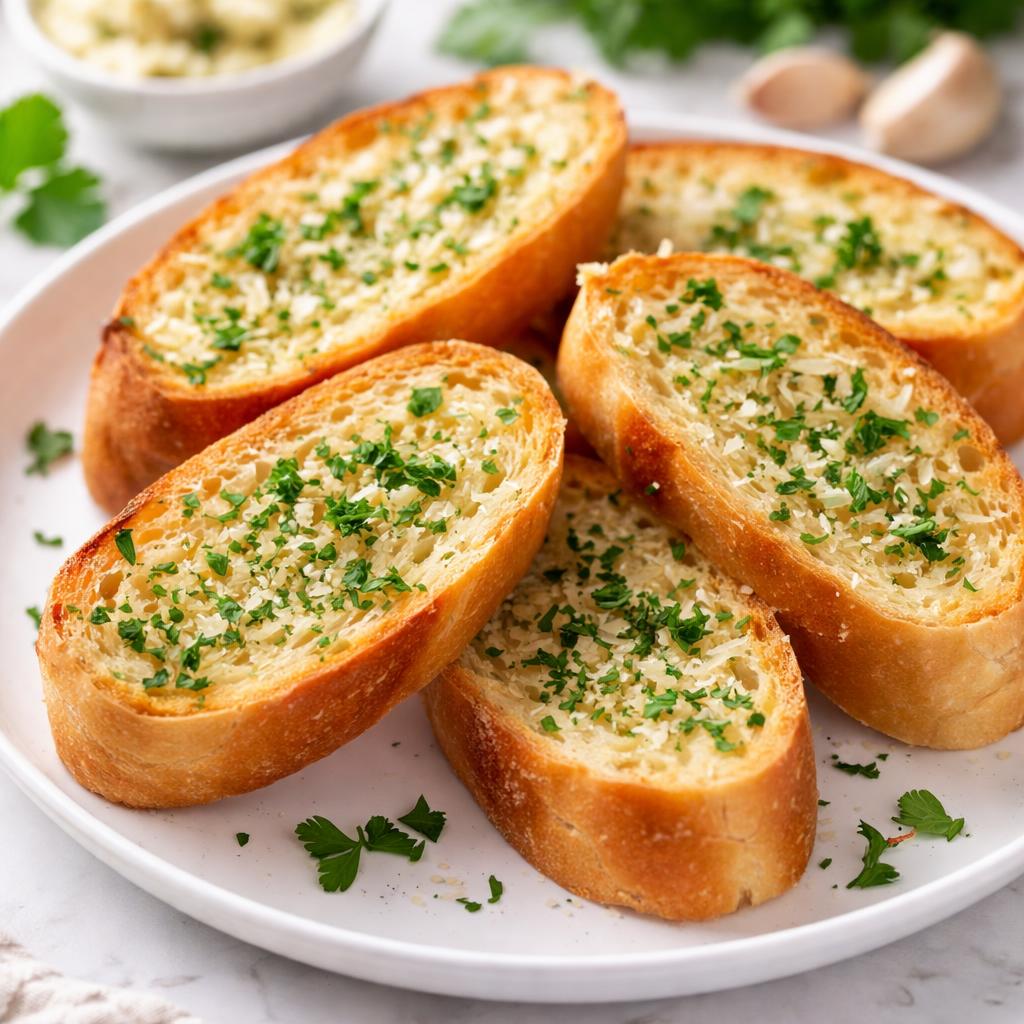
Garlic Bread
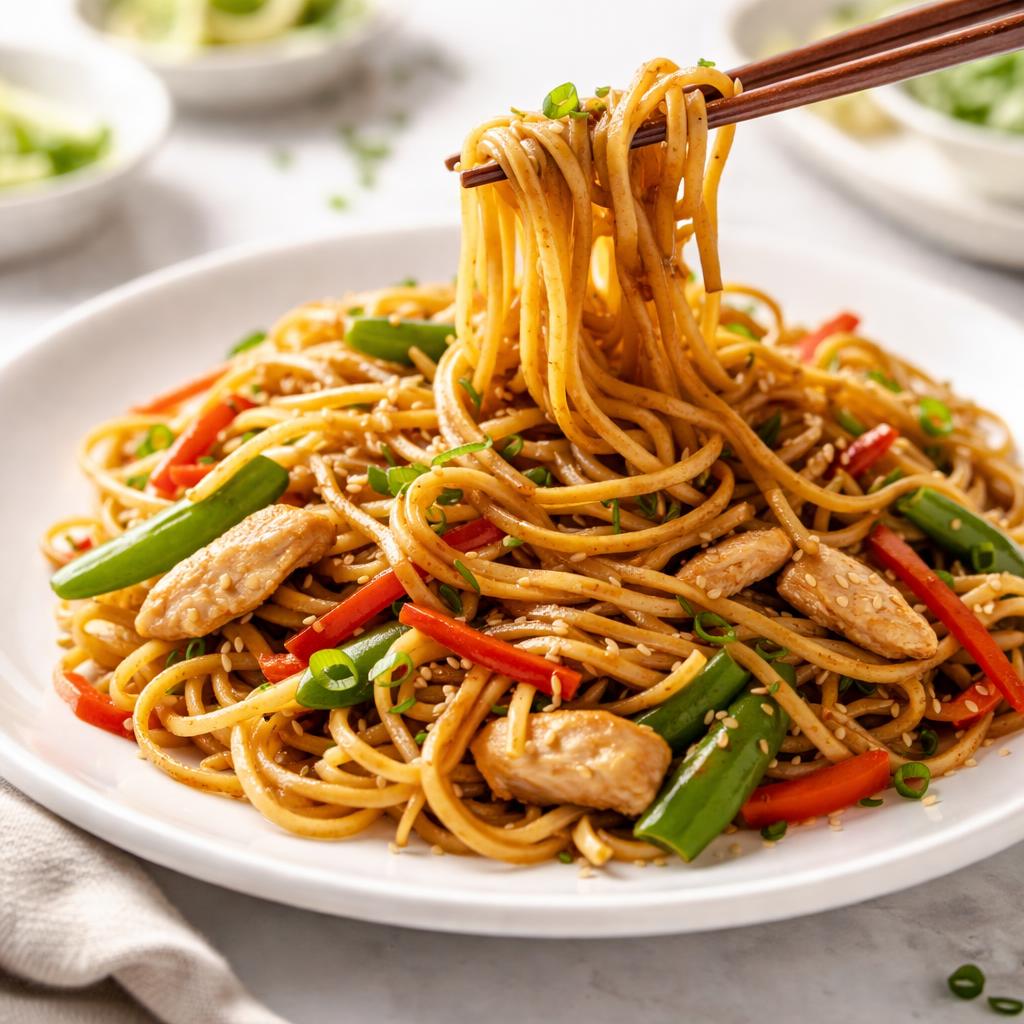
Chinese Noodles
🎯 Quick Verdict
Garlic bread and Chinese noodles differ significantly in nutrient composition. Garlic bread is lower in calories and fat, making it better for calorie-conscious diets. Chinese noodles, however, offer higher protein and fiber, providing sustained energy and better satiety. Depending on your dietary goals, garlic bread suits lighter meals, whereas noodles are ideal for nutrient-dense meals.

Smart Nutrition Tracking with SnapCalorie

📊 Nutritional Comparison
Macronutrients
| Nutrient | Food 1 | Food 2 | Winner |
|---|---|---|---|
| Calories | 210 | 280 | ✓ |
| Protein | 5g | 8g | ✓ |
| Carbs | 35g | 45g | ✓ |
| Fat | 7g | 9g | ✓ |
| Fiber | 1g | 3g | ✓ |
Vitamins & Minerals
| Nutrient | Food 1 | Food 2 | Winner |
|---|---|---|---|
| Vitamin A | 2% DV | 10% DV | ✓ |
| Vitamin C | 0% DV | 5% DV | ✓ |
| Calcium | 50mg | 25mg | ✓ |
| Iron | 1mg | 2mg | ✓ |
🏆 Category Winners
Protein
Chinese noodles have 60% more protein per serving.
Fiber
Chinese noodles contain 3x the fiber compared to garlic bread.
Calories
Garlic bread has 25% fewer calories per serving than Chinese noodles.
Vitamins
Chinese noodles are higher in Vitamin A, Vitamin C, and iron.
🥗 Diet Compatibility
Keto
Food 1: Not Compatible
Food 2: Not Compatible
Both are high in carbs.
Vegan
Food 1: Not Compatible
Food 2: Compatible
Garlic bread often contains dairy (butter or cheese).
Gluten Free
Food 1: Not Compatible
Food 2: Not Compatible
Both typically contain gluten from wheat.
Paleo
Food 1: Not Compatible
Food 2: Not Compatible
Neither meets paleo diet criteria due to grains.
Low Carb
Food 1: Not Compatible
Food 2: Not Compatible
Both are high in carbohydrates.
💪 Health Benefits Comparison
Food 1 Benefits
- Lower calorie option for weight control
- Provides quick energy through carbs
- Contains calcium for bone health
Food 2 Benefits
- Higher protein for muscle repair and satiety
- Rich in fiber for improved digestion
- Contains iron to help prevent anemia
- Provides Vitamin A for eye health
✅ The Bottom Line
Garlic bread is a lower-calorie, tasty side dish, best for lighter meals or calorie-conscious diets. Chinese noodles are packed with protein, fiber, and vitamins, offering a nutrient-dense option ideal for more filling and energy-sustaining dishes. Balance your choice with your dietary goals and meal purposes.
Choose Food 1 for: Low-calorie meals, quick snacks, comfort food
Choose Food 2 for: High-energy meals, nutrient-dense diets, post-workout recovery


