Fusilli Pasta VS Whole Wheat Pasta
A detailed nutritional comparison
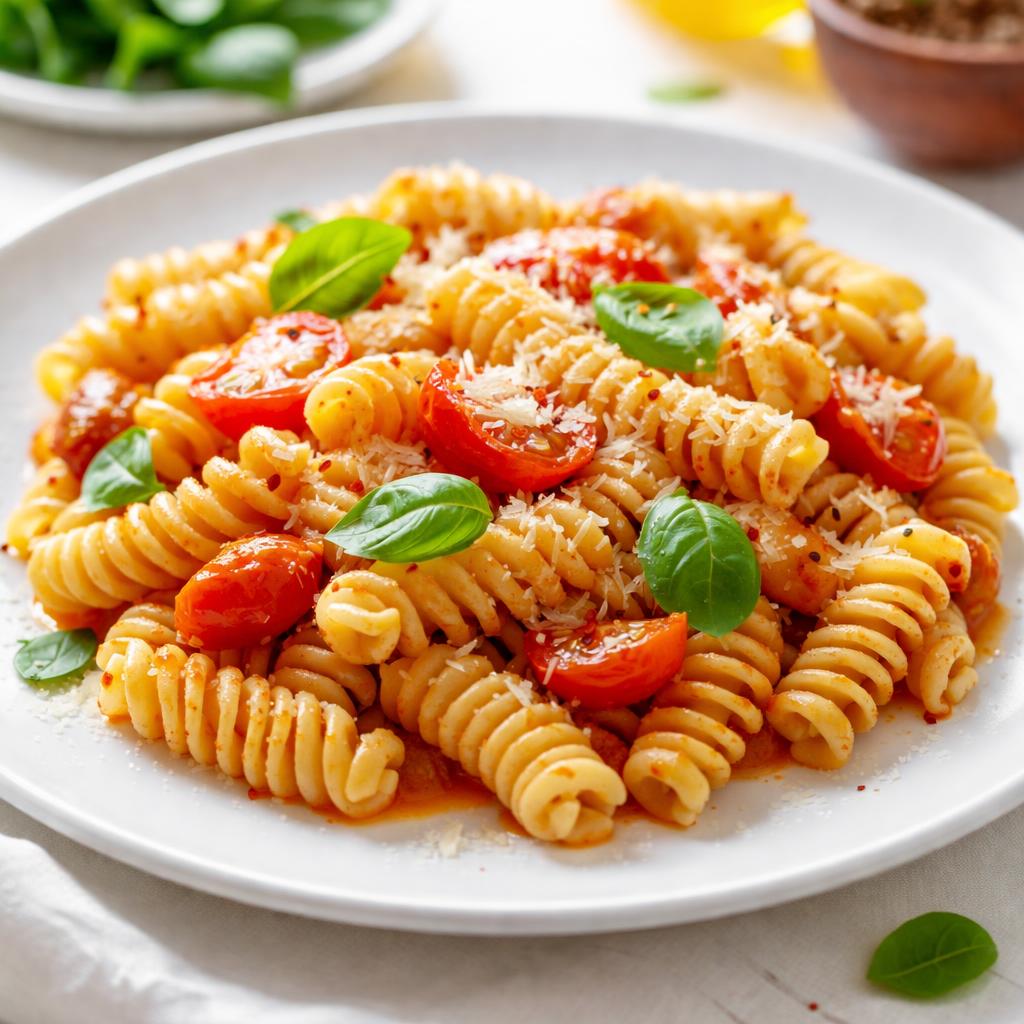
Fusilli Pasta
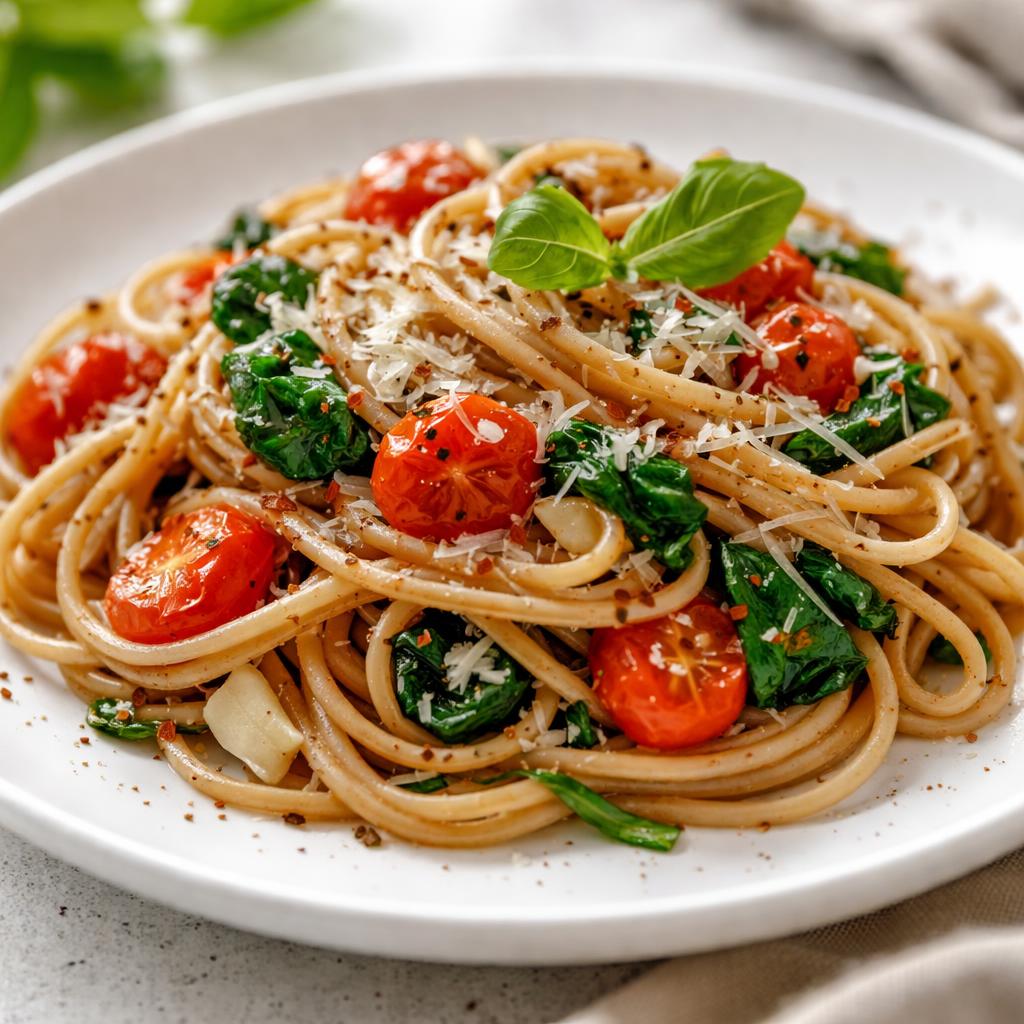
Whole Wheat Pasta
🎯 Quick Verdict
Whole wheat pasta (food2) outperforms fusilli pasta (food1) in terms of protein and fiber content, making it a more nutrient-dense choice overall. However, fusilli pasta is lower in calories, which may suit individuals managing their caloric intake or seeking lighter options. Both are versatile and vegan-friendly but are not suitable for low-carb diets like keto due to their high carbohydrate levels.

Smart Nutrition Tracking with SnapCalorie

📊 Nutritional Comparison
Macronutrients
| Nutrient | Food 1 | Food 2 | Winner |
|---|---|---|---|
| Calories | 210 per cup cooked | 180 per cup cooked | ✓ |
| Protein | 7g | 8g | ✓ |
| Carbs | 42g | 39g | ✓ |
| Fat | 1g | 1.5g | ✓ |
| Fiber | 2g | 6g | ✓ |
Vitamins & Minerals
| Nutrient | Food 1 | Food 2 | Winner |
|---|---|---|---|
| Vitamin B1 (Thiamine) | 0.2mg (15% DV) | 0.3mg (25% DV) | ✓ |
| Folate | 50mcg | 55mcg | ✓ |
| Iron | 1mg (5% DV) | 1.5mg (8% DV) | ✓ |
🏆 Category Winners
Protein
Whole wheat pasta has 1g more protein per serving, making it slightly more protein-dense.
Fiber
Whole wheat pasta offers 6g fiber compared to 2g in fusilli pasta.
Calories
Whole wheat pasta has 30 fewer calories per cup cooked, making it lighter.
🥗 Diet Compatibility
Keto
Food 1: Not Compatible
Food 2: Not Compatible
Both are high-carb foods unsuitable for ketogenic diets.
Vegan
Food 1: Compatible
Food 2: Compatible
Both are plant-based and suitable for vegans.
Gluten Free
Food 1: Not Compatible
Food 2: Not Compatible
Neither food option is gluten-free as both are wheat-based.
Paleo
Food 1: Not Compatible
Food 2: Not Compatible
Both foods contain grains, which are not paleo-compliant.
Low-Carb
Food 1: Not Compatible
Food 2: Not Compatible
Both are high in carbohydrates and not suitable for low-carb diets.
💪 Health Benefits Comparison
Food 1 Benefits
- Lower calorie option, which can aid in weight management.
- Provides quick energy due to its carbohydrate content.
- Easy to digest for sensitive stomachs.
Food 2 Benefits
- Higher in dietary fiber, supporting digestive health and satiety.
- Contains more essential vitamins such as B vitamins and iron.
- Nutrient-dense with slightly higher protein content for muscle maintenance.
✅ The Bottom Line
Whole wheat pasta (food2) is the better choice for nutrient density due to its higher fiber, protein, and vitamin content. Fusilli pasta (food1) may be preferable for those prioritizing lower calorie intake or a more refined texture. Both are versatile staples in vegan and vegetarian diets.
Choose Food 1 for: Weight management, quick energy meals, easy digestion.
Choose Food 2 for: Fiber-rich diets, nutrient density, heartier and more filling meals.


