Fusilli Pasta VS Rice Soup
A detailed nutritional comparison
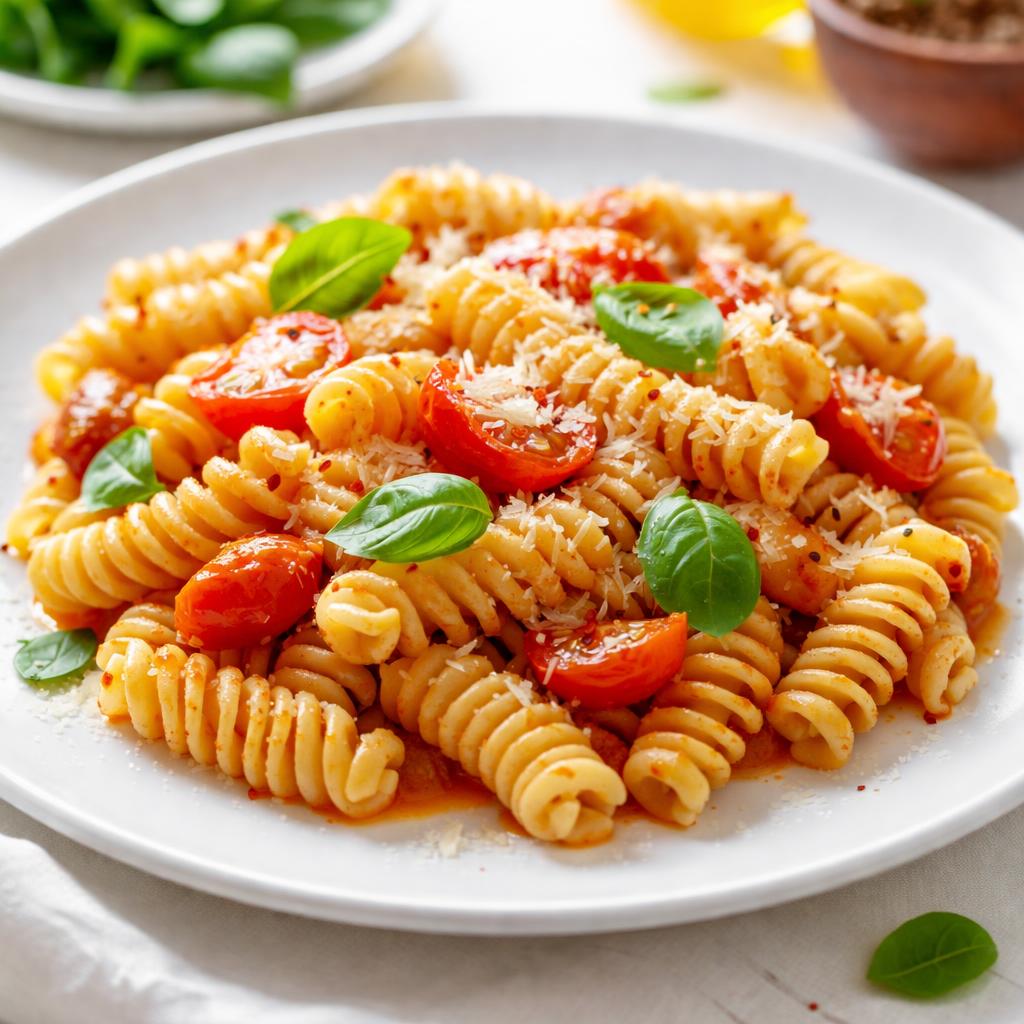
Fusilli Pasta
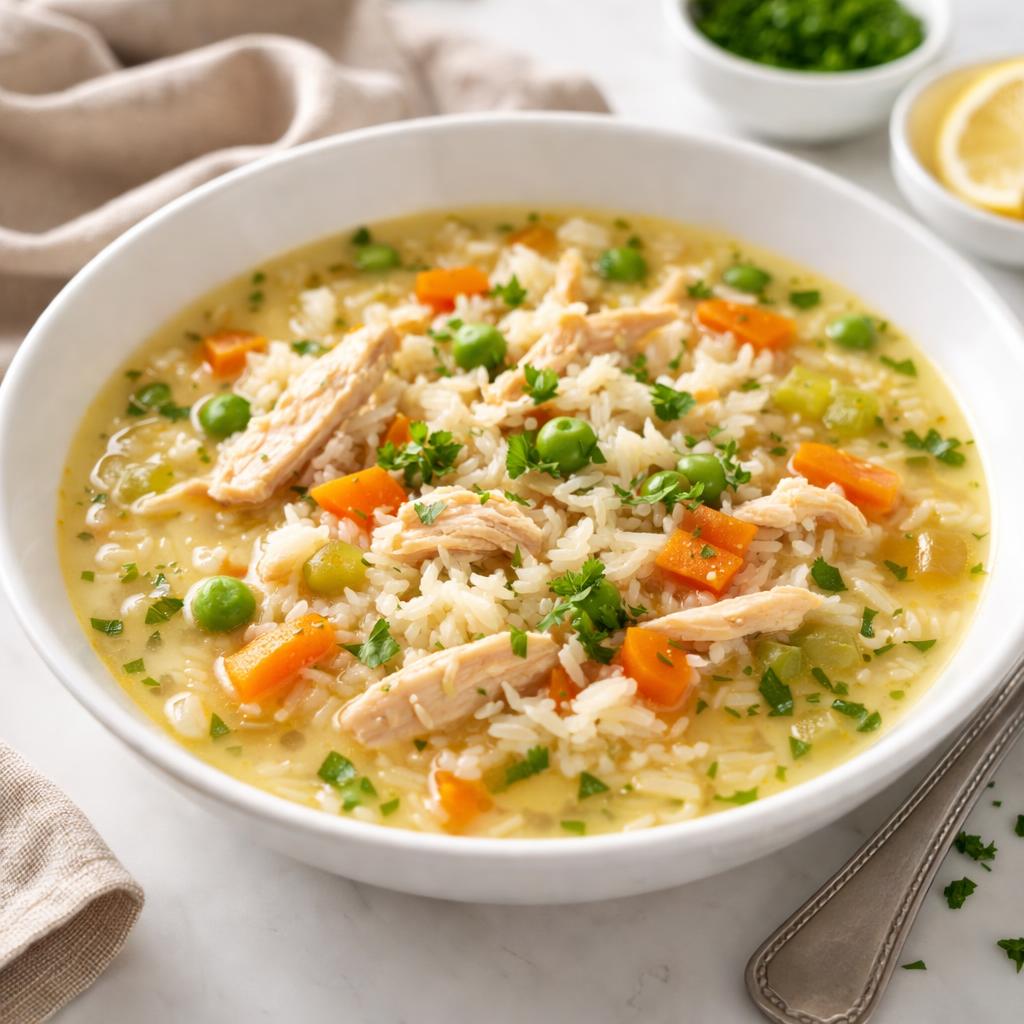
Rice Soup
🎯 Quick Verdict
Fusilli pasta contains more protein and fiber per serving, making it ideal for muscle and digestion-focused diets. Rice soup, being lower in calories and containing easy-to-digest carbohydrates, is better suited for light meals and energy restoration without excessive calorie intake.

Smart Nutrition Tracking with SnapCalorie

📊 Nutritional Comparison
Macronutrients
| Nutrient | Food 1 | Food 2 | Winner |
|---|---|---|---|
| Calories | 200 | 120 | ✓ |
| Protein | 7g | 3g | ✓ |
| Carbs | 42g | 24g | ✓ |
| Fat | 1.5g | 0.5g | ✓ |
| Fiber | 2g | 0.5g | ✓ |
Vitamins & Minerals
| Nutrient | Food 1 | Food 2 | Winner |
|---|---|---|---|
| Vitamin D | 0mcg | 0mcg | − |
| Calcium | 15mg | 10mg | ✓ |
| Iron | 0.8mg | 0.4mg | ✓ |
| Vitamin C | 0mg | 2mg | ✓ |
🏆 Category Winners
Protein
Fusilli pasta contains over double the protein content of rice soup.
Fiber
Fusilli pasta provides four times more fiber than rice soup.
Calories
Rice soup has 40% fewer calories than fusilli pasta.
Vitamins
Rice soup offers a small amount of vitamin C, whereas fusilli pasta provides nearly none.
🥗 Diet Compatibility
Keto
Food 1: Not Compatible
Food 2: Not Compatible
Both are high in carbohydrates, which exceed keto-friendly limits.
Vegan
Food 1: Compatible
Food 2: Compatible
Neither food contains animal-derived ingredients.
Gluten Free
Food 1: Not Compatible
Food 2: Compatible
Fusilli pasta contains gluten; rice soup is naturally gluten-free.
Paleo
Food 1: Not Compatible
Food 2: Compatible
Fusilli pasta is processed and contains grains, while rice soup can fit paleo diets depending on added ingredients.
Low Carb
Food 1: Not Compatible
Food 2: Not Compatible
Both foods are high-carb and unsuitable for low-carb diets.
💪 Health Benefits Comparison
Food 1 Benefits
- Good source of protein for muscle maintenance
- Provides dietary fiber for improved digestion
- Rich in complex carbs for sustained energy
Food 2 Benefits
- Low in calories, ideal for weight management
- Easy to digest, suitable for recovery meals
- Contains some vitamin C to support the immune system
✅ The Bottom Line
Both foods have their advantages. Fusilli pasta is the better choice for those needing higher protein and fiber in their meals, while rice soup is preferable for lighter meals, calorie-conscious eating, and gentle nutrition for sensitive stomachs.
Choose Food 1 for: Active individuals, high-protein diets, fiber inclusion
Choose Food 2 for: Weight control, easy digestion, immune support


