Fried Rice VS Seafood Pasta
A detailed nutritional comparison
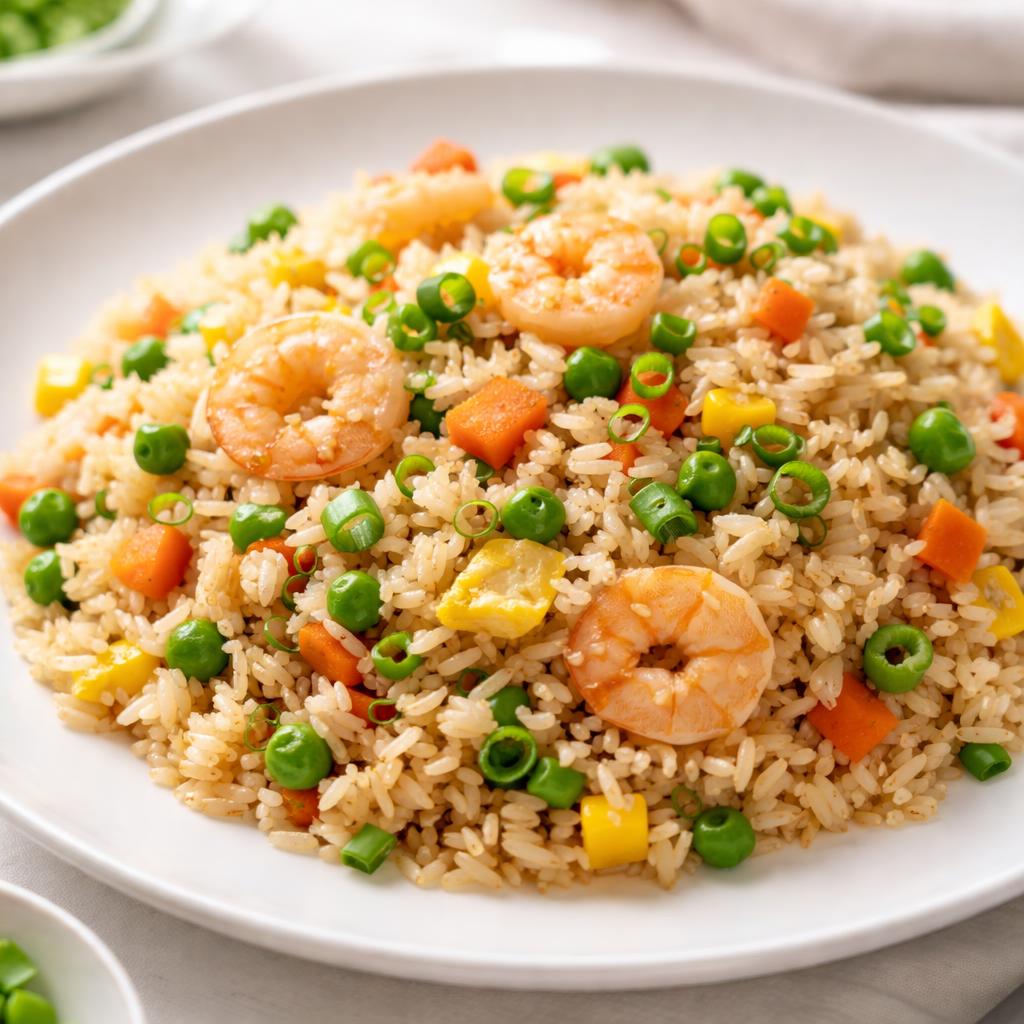
Fried Rice
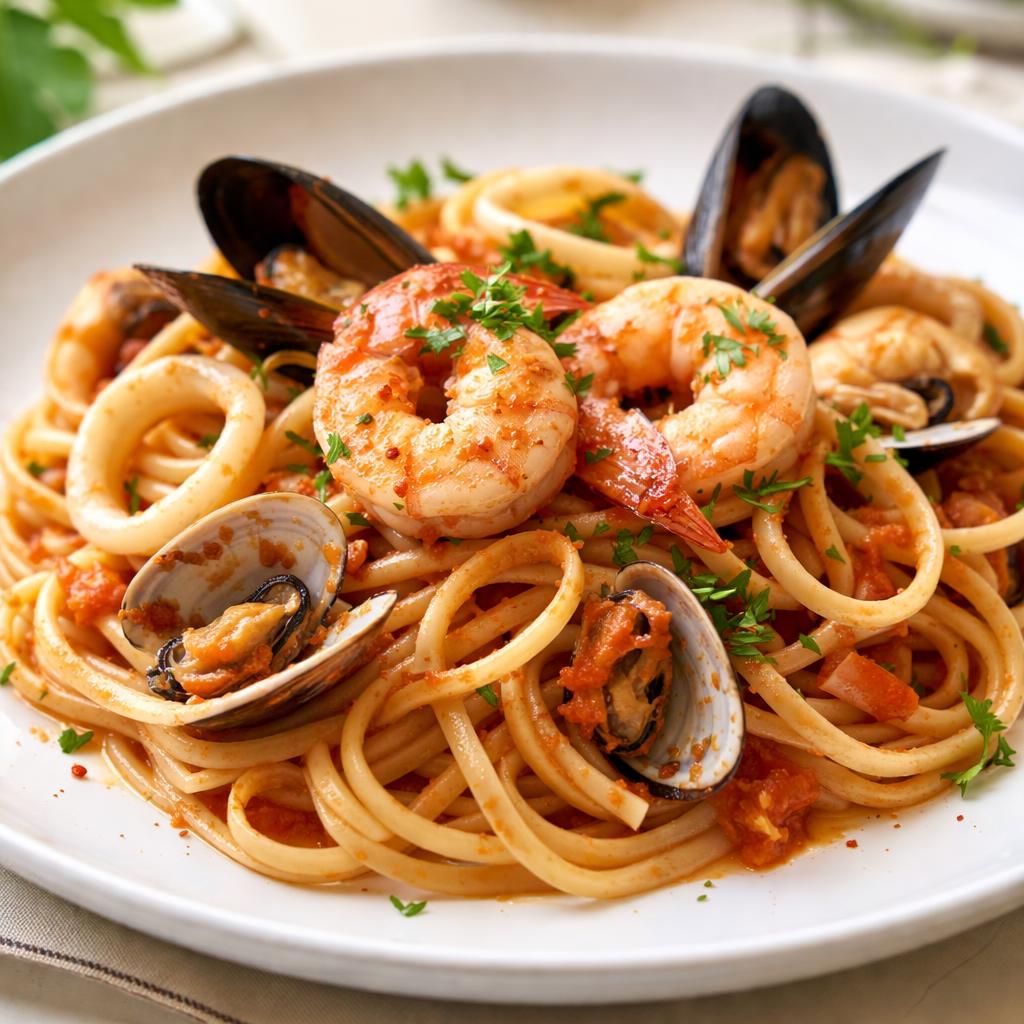
Seafood Pasta
🎯 Quick Verdict
Seafood pasta generally has higher protein content, making it ideal for muscle repair and tissue health. Fried rice is lower in calories and contains more fiber, which supports digestion. Food1 is best for calorie-conscious meals, while food2 is better for protein-rich diets aimed at energy and recovery.

Smart Nutrition Tracking with SnapCalorie

📊 Nutritional Comparison
Macronutrients
| Nutrient | Food 1 | Food 2 | Winner |
|---|---|---|---|
| Calories | 300 | 420 | ✓ |
| Protein | 8g | 18g | ✓ |
| Carbs | 40g | 50g | ✓ |
| Fat | 10g | 15g | ✓ |
| Fiber | 2g | 1g | ✓ |
Vitamins & Minerals
| Nutrient | Food 1 | Food 2 | Winner |
|---|---|---|---|
| Vitamin D | 0mcg | 2mcg | ✓ |
| Calcium | 25mg | 100mg | ✓ |
| Iron | 1mg | 3mg | ✓ |
🏆 Category Winners
Protein
Seafood pasta has over twice the protein content compared to fried rice, supporting muscle repair and tissue health.
Fiber
Fried rice contains twice the fiber per serving, aiding digestion and providing satiety.
Calories
Fried rice has 29% fewer calories per serving compared to seafood pasta.
Vitamins
Seafood pasta offers more Vitamin D, calcium, and iron, contributing to stronger bones and improved oxygen transport.
🥗 Diet Compatibility
Keto
Food 1: Not Compatible
Food 2: Not Compatible
Both foods have moderate to high carbohydrate content, not suitable for keto diets.
Vegan
Food 1: Not Compatible
Food 2: Not Compatible
Both foods contain animal-derived ingredients (egg in fried rice, seafood in pasta).
Gluten Free
Food 1: Not Compatible
Food 2: Not Compatible
Both contain gluten (rice may be cross-contaminated; pasta contains wheat).
Paleo
Food 1: Not Compatible
Food 2: Not Compatible
Both foods contain grains, which are excluded in paleo diets.
Low-Carb
Food 1: Not Compatible
Food 2: Not Compatible
Both foods have high carbohydrate content (40-50g per serving).
💪 Health Benefits Comparison
Food 1 Benefits
- Lower calorie content supports weight management
- Good source of fiber for digestion and gut health
- Moderate fat provides quick energy
Food 2 Benefits
- High protein content helps in muscle recovery and maintenance
- Rich in Vitamin D promotes bone health
- Contains iron which aids in oxygen transport and energy metabolism
✅ The Bottom Line
Seafood pasta is ideal for high-protein meals and post-workout recovery, while fried rice is better suited for low-calorie meals with a focus on digestion. Consider dietary goals when choosing between the two.
Choose Food 1 for: Weight management, digestion support, lighter meals
Choose Food 2 for: Muscle repair, energy recovery, nutrient-rich meals


