Fried Rice VS Rolled Oats
A detailed nutritional comparison
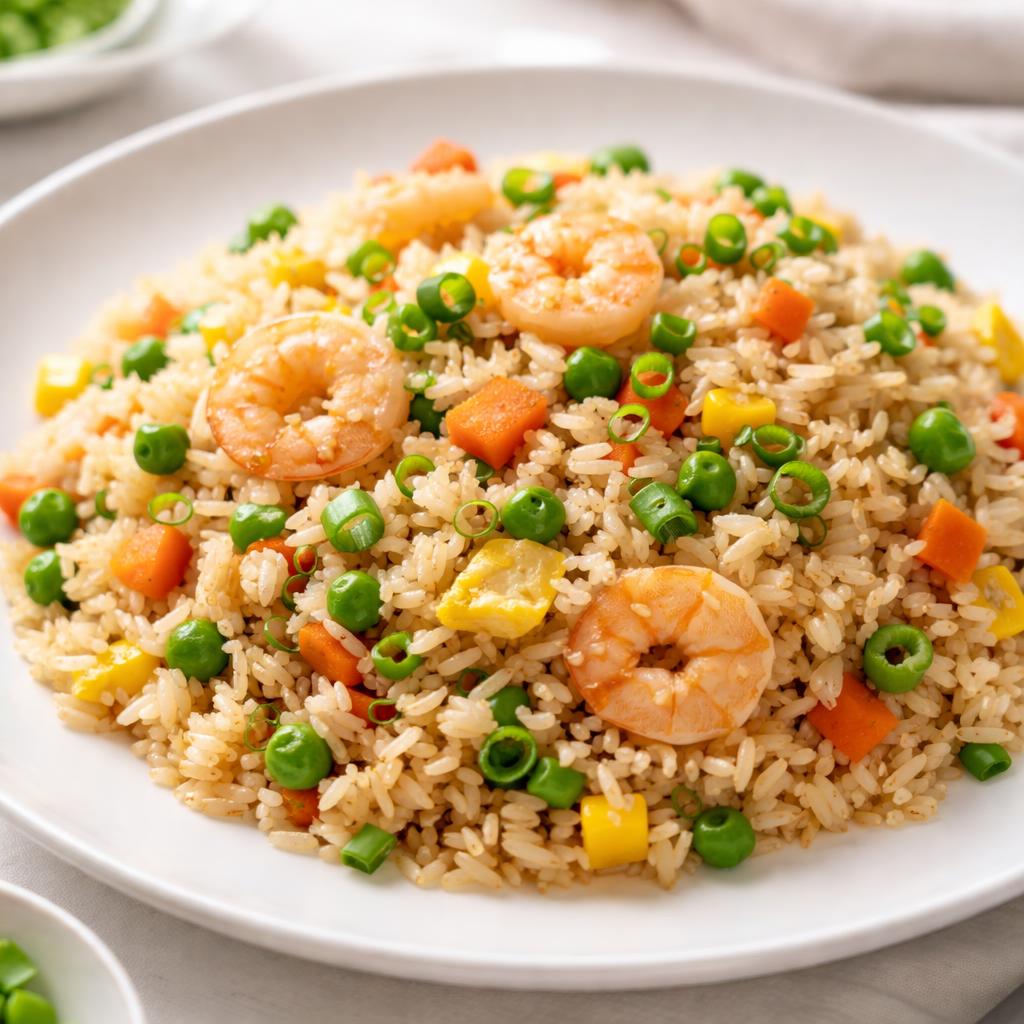
Fried Rice
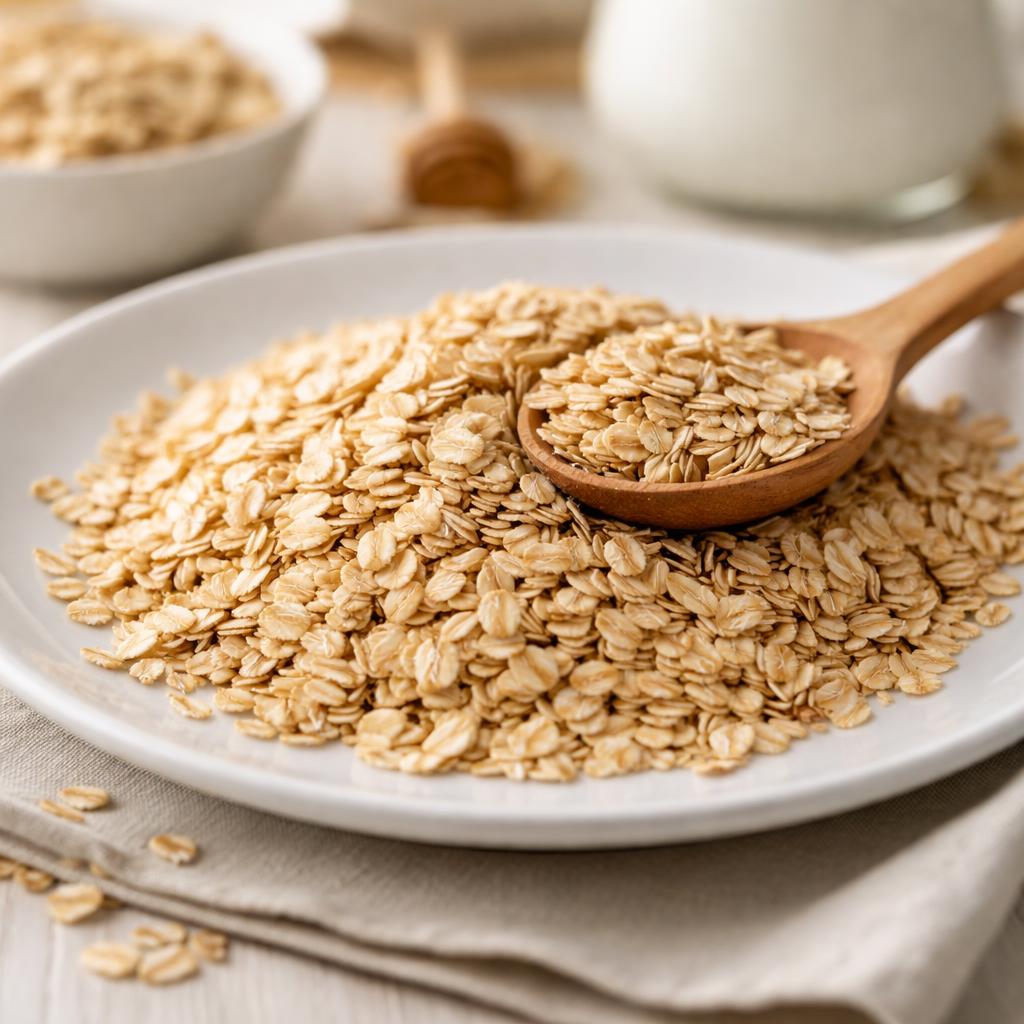
Rolled Oats
🎯 Quick Verdict
Rolled oats outperform fried rice in most nutritional categories, offering higher protein, fiber, and lower calorie counts per serving. Fried rice is richer in carbohydrates and fats, making it a potential energy-dense option for those needing quick energy. Rolled oats are generally better suited for weight management and heart health, while fried rice could fit more caloric and immediate energy needs.

Smart Nutrition Tracking with SnapCalorie

📊 Nutritional Comparison
Macronutrients
| Nutrient | Food 1 | Food 2 | Winner |
|---|---|---|---|
| Calories | 250 | 150 | ✓ |
| Protein | 6g | 5g | ✓ |
| Carbs | 45g | 27g | ✓ |
| Fat | 9g | 3g | ✓ |
| Fiber | 2g | 4g | ✓ |
Vitamins & Minerals
| Nutrient | Food 1 | Food 2 | Winner |
|---|---|---|---|
| Vitamin D | 0mcg | 0mcg | − |
| Calcium | 20mg | 50mg | ✓ |
| Iron | 1mg | 2mg | ✓ |
🏆 Category Winners
Protein
Food1 has slightly more protein per serving (6g vs 5g).
Fiber
Food2 offers twice the fiber content (4g vs 2g).
Calories
Food2 has 40% fewer calories per serving.
Vitamins
Rolled oats contain more micronutrients such as calcium and iron.
🥗 Diet Compatibility
Keto
Food 1: Not Compatible
Food 2: Not Compatible
Both are relatively high in carbs.
Vegan
Food 1: Compatible
Food 2: Compatible
Both are plant-based foods.
Gluten Free
Food 1: Not Compatible (depends on recipe)
Food 2: Compatible
Rolled oats are naturally gluten-free, while fried rice may contain gluten from added ingredients like soy sauce.
Paleo
Food 1: Not Compatible
Food 2: Not Compatible
Neither food aligns with paleo diet principles due to grains.
Low Carb
Food 1: Not Compatible
Food 2: Not Compatible
Both foods are carb-rich.
💪 Health Benefits Comparison
Food 1 Benefits
- Provides quick energy due to high carbohydrates
- Contains some protein for muscle maintenance
- Can be fortified with vegetables for added nutrients
Food 2 Benefits
- Rich in fiber for improved digestion and heart health
- Contains complex carbs for sustained energy
- Good source of essential minerals like iron and calcium
✅ The Bottom Line
Rolled oats are a better choice for nutrient density, digestion, and weight management goals, while fried rice may be chosen for quick energy and satisfying meals. Food1 (fried rice) is ideal for higher calorie meals or when paired with protein and veggies. Food2 (rolled oats) works well for breakfast, a fiber boost, or sustained energy throughout the day.
Choose Food 1 for: Quick energy, satisfying meals, family dinners
Choose Food 2 for: Weight management, heart health, breakfast or snack


