Fried Rice VS Rice With Vermicelli
A detailed nutritional comparison
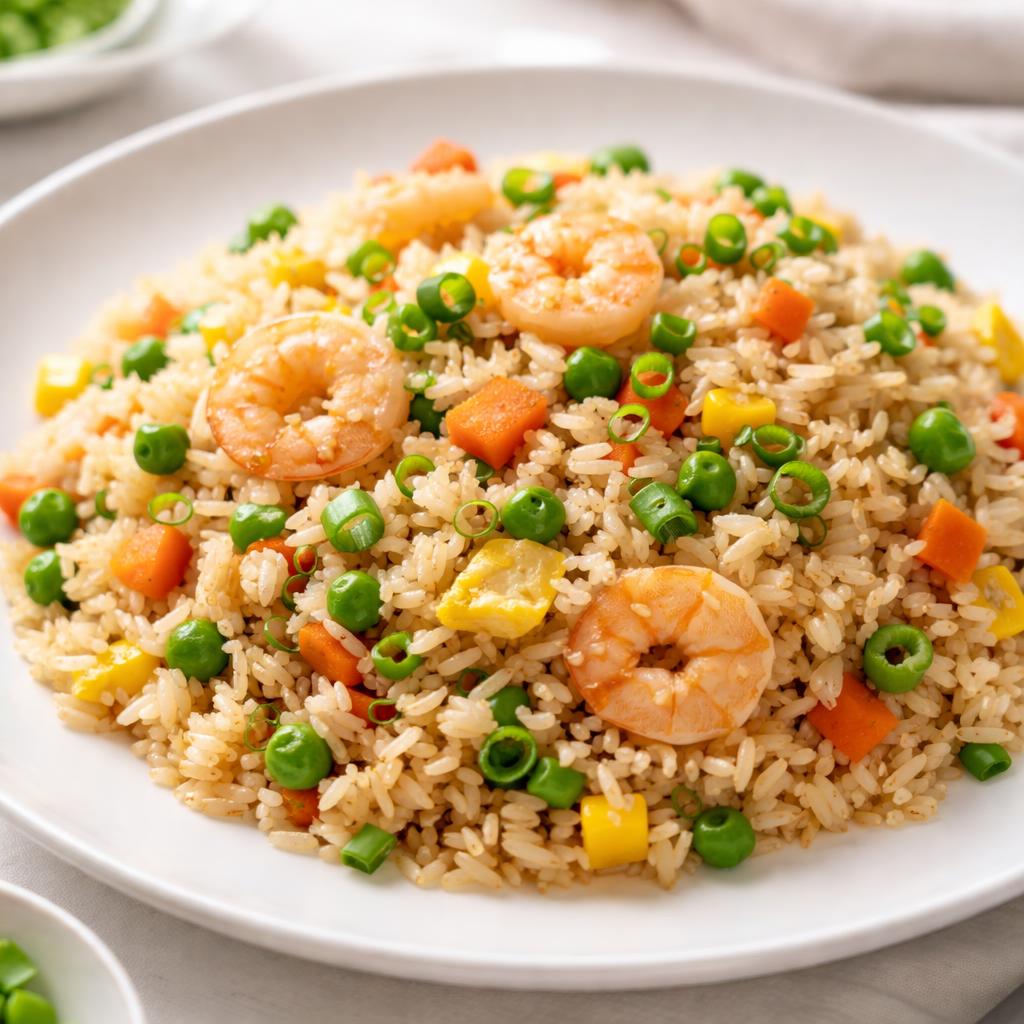
Fried Rice
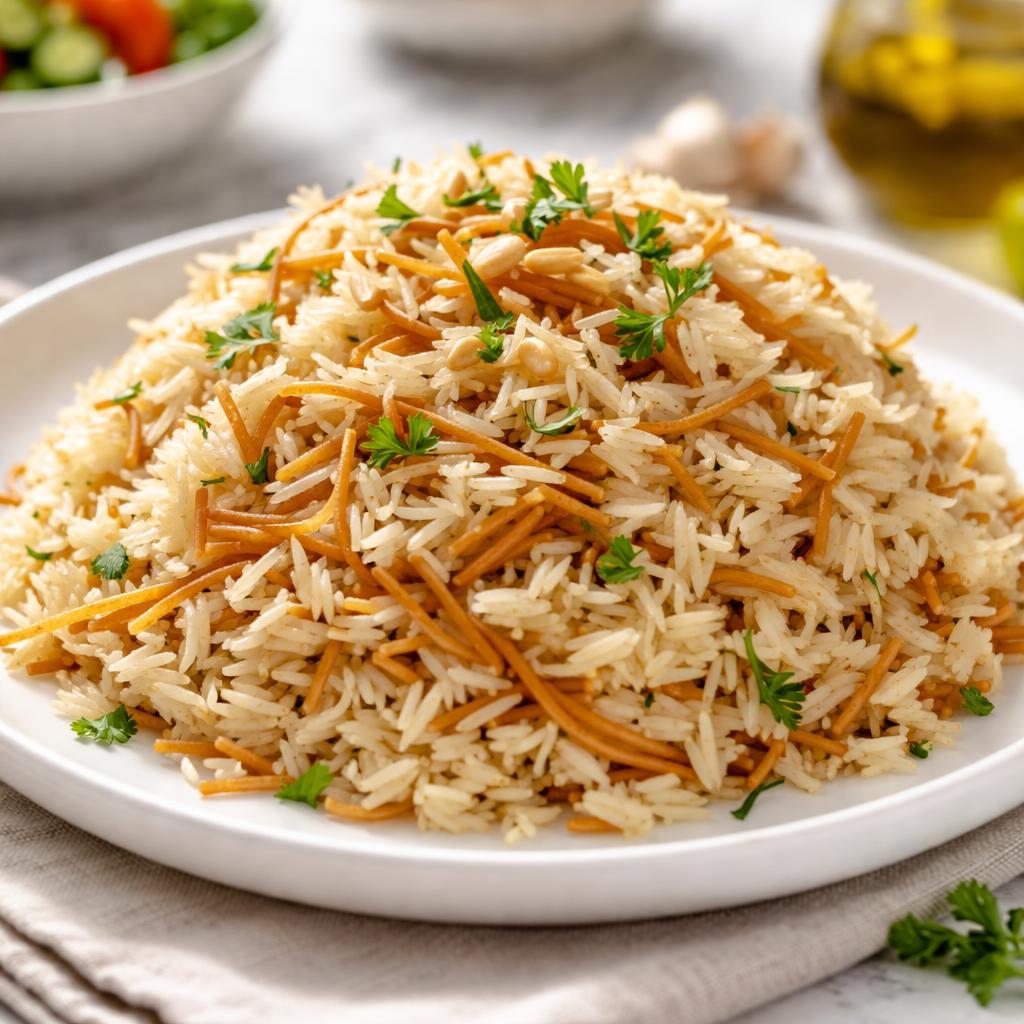
Rice With Vermicelli
🎯 Quick Verdict
Fried rice and rice with vermicelli differ in their nutritional profiles. Fried rice generally contains more fiber and fat due to added vegetables and oil, while rice with vermicelli is lower in calories and fats, focusing on more straightforward flavors. Fried rice suits those needing extra energy or fiber, while rice with vermicelli is better for light meals and calorie-conscious diets.

Smart Nutrition Tracking with SnapCalorie

📊 Nutritional Comparison
Macronutrients
| Nutrient | Food 1 | Food 2 | Winner |
|---|---|---|---|
| Calories | 250 | 200 | ✓ |
| Protein | 6g | 6g | − |
| Carbs | 38g | 42g | ✓ |
| Fat | 8g | 4g | ✓ |
| Fiber | 3g | 1g | ✓ |
Vitamins & Minerals
| Nutrient | Food 1 | Food 2 | Winner |
|---|---|---|---|
| Vitamin A | 10mcg | 0mcg | ✓ |
| Vitamin C | 2mg | 0mg | ✓ |
| Iron | 1.5mg | 1mg | ✓ |
🏆 Category Winners
Protein
Both contain equal protein per serving (6g).
Fiber
Food1 (fried rice) has 3x the fiber due to added vegetables.
Calories
Food2 has 20% fewer calories.
🥗 Diet Compatibility
Keto
Food 1: Not Compatible
Food 2: Not Compatible
Both are high-carb dishes.
Vegan
Food 1: Depends on preparation
Food 2: Depends on preparation
Both can be made vegan but often include animal-based ingredients like egg or butter.
Gluten Free
Food 1: Compatible
Food 2: Not Compatible
Food2 may contain wheat-based vermicelli.
Paleo
Food 1: Not Compatible
Food 2: Not Compatible
Both contain grains which are not allowed in paleo diets.
Low Carb
Food 1: Not Compatible
Food 2: Not Compatible
Both are high in carbohydrates.
💪 Health Benefits Comparison
Food 1 Benefits
- Higher fiber for improved digestion
- Contains added vegetables for vitamins and minerals
- Provides energy-rich carbohydrates for sustained activity
Food 2 Benefits
- Lower in fat for heart health
- Lighter alternative for calorie-conscious meals
- Easy to digest and pairs well with nutrient-dense sides
✅ The Bottom Line
Fried rice is a better option for a fiber-rich and flavorful meal, especially if incorporating vegetables and protein sources like tofu or egg. Rice with vermicelli is ideal for lighter meals that are lower in calories and fat, making it suitable for individuals watching their weight or preferring simpler dishes.
Choose Food 1 for: High-energy meals, fiber-rich diets, hearty flavor profiles
Choose Food 2 for: Calorie-conscious meals, lighter digestive options, pairing with vegetables


