Fried Rice VS Rice With Sauce
A detailed nutritional comparison
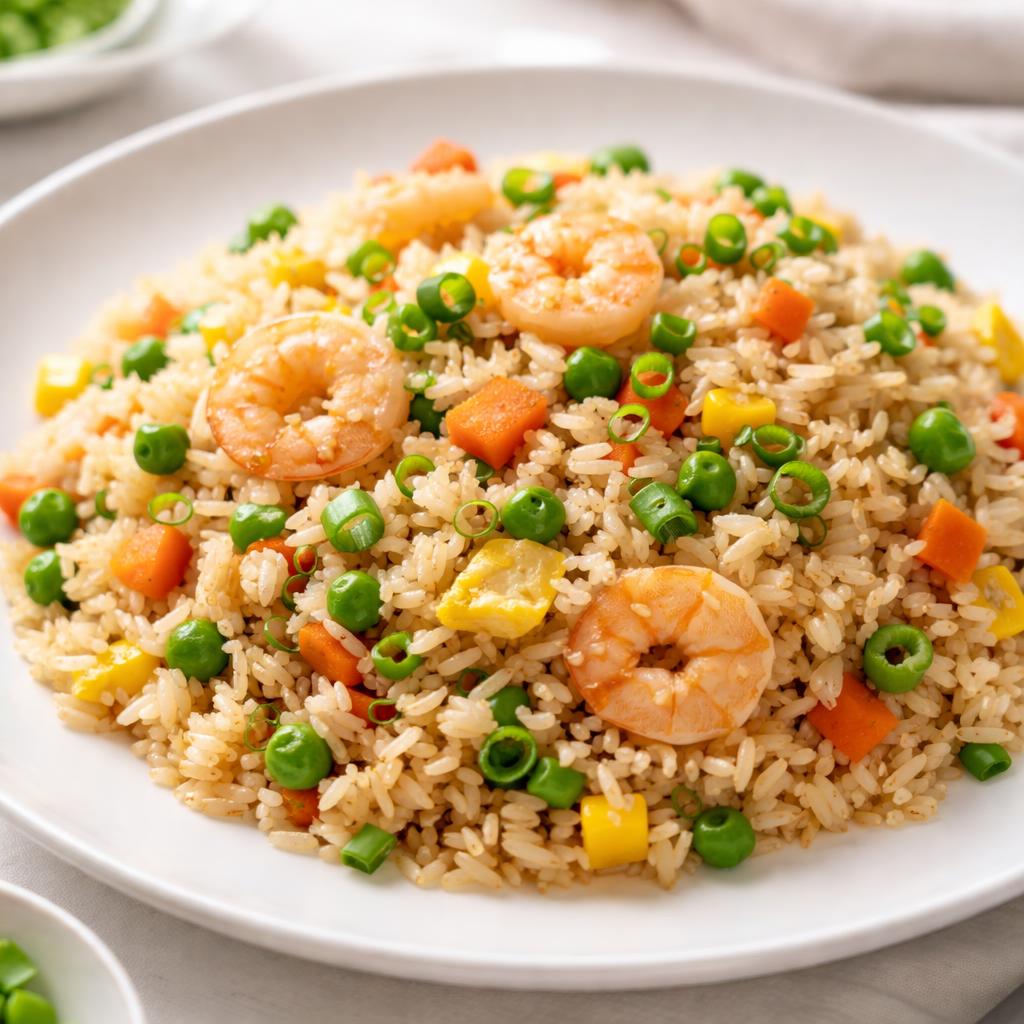
Fried Rice
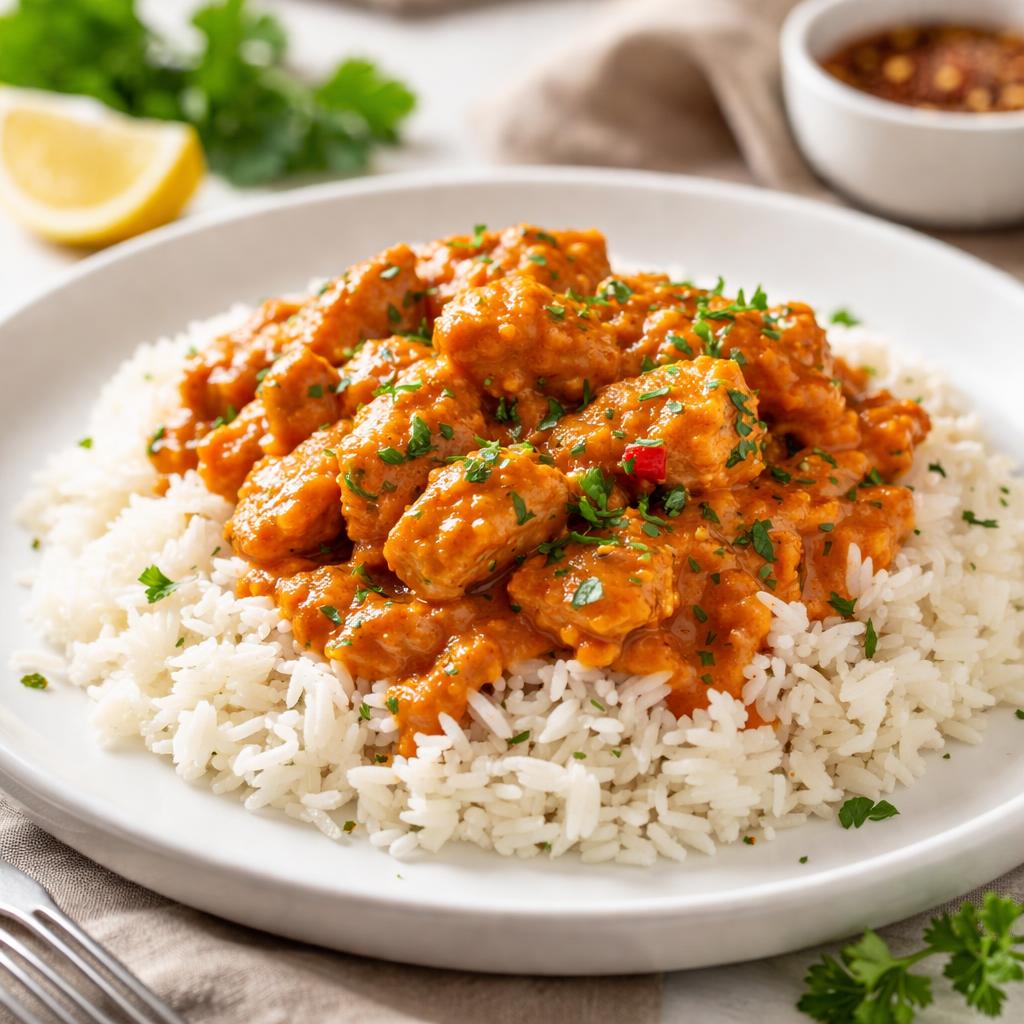
Rice With Sauce
🎯 Quick Verdict
Fried rice is richer in protein due to its mix of egg and vegetables, but it is also higher in calories and fat compared to rice with sauce. Rice with sauce tends to be lighter overall, making it a better choice for calorie-conscious individuals. Fried rice works well as a hearty meal, while rice with sauce is ideal for lighter dishes or pairing with lean proteins.

Smart Nutrition Tracking with SnapCalorie

📊 Nutritional Comparison
Macronutrients
| Nutrient | Food 1 | Food 2 | Winner |
|---|---|---|---|
| Calories | 250 | 180 | ✓ |
| Protein | 7g | 5g | ✓ |
| Carbs | 35g | 38g | ✓ |
| Fat | 9g | 4g | ✓ |
| Fiber | 2g | 2g | − |
Vitamins & Minerals
| Nutrient | Food 1 | Food 2 | Winner |
|---|---|---|---|
| Vitamin A | 150mcg | 50mcg | ✓ |
| Vitamin C | 5mg | 3mg | ✓ |
| Iron | 2mg | 1.2mg | ✓ |
🏆 Category Winners
Protein
Fried rice has 40% more protein due to added egg or meat.
Fiber
Both offer 2g of fiber per serving.
Calories
Rice with sauce contains 28% fewer calories.
Vitamins
Fried rice is richer in vitamin A, C, and iron.
🥗 Diet Compatibility
Keto
Food 1: Not Compatible
Food 2: Not Compatible
Both are high in carbs.
Vegan
Food 1: Not Compatible
Food 2: Compatible
Fried rice often contains egg or meat, while rice with sauce can be plant-based.
Gluten Free
Food 1: Compatible
Food 2: Compatible
Neither typically contains gluten unless the sauce uses gluten-containing ingredients.
Paleo
Food 1: Not Compatible
Food 2: Not Compatible
Rice does not conform to paleo guidelines.
Low Carb
Food 1: Not Compatible
Food 2: Not Compatible
Both are high-carb staples.
💪 Health Benefits Comparison
Food 1 Benefits
- High in protein for muscle building and repair
- Includes veggies rich in vitamins and antioxidants
- Provides iron for better oxygen transportation in the body
Food 2 Benefits
- Lower in fat, ideal for calorie control
- Can be paired with nutrient-packed sauces for added health benefits
- Provides essential carbohydrates for energy
✅ The Bottom Line
Fried rice is a better option for those seeking higher protein and a more filling, balanced meal, especially post-workout. Rice with sauce is lighter in calories and fat, making it an excellent choice for weight management or when served with lean proteins and vegetables.
Choose Food 1 for: Balanced meals, post-workout recovery, protein-focused diets
Choose Food 2 for: Light meals, weight management, pairing with flavorful sauces


