Fried Rice VS Rice Noodle
A detailed nutritional comparison
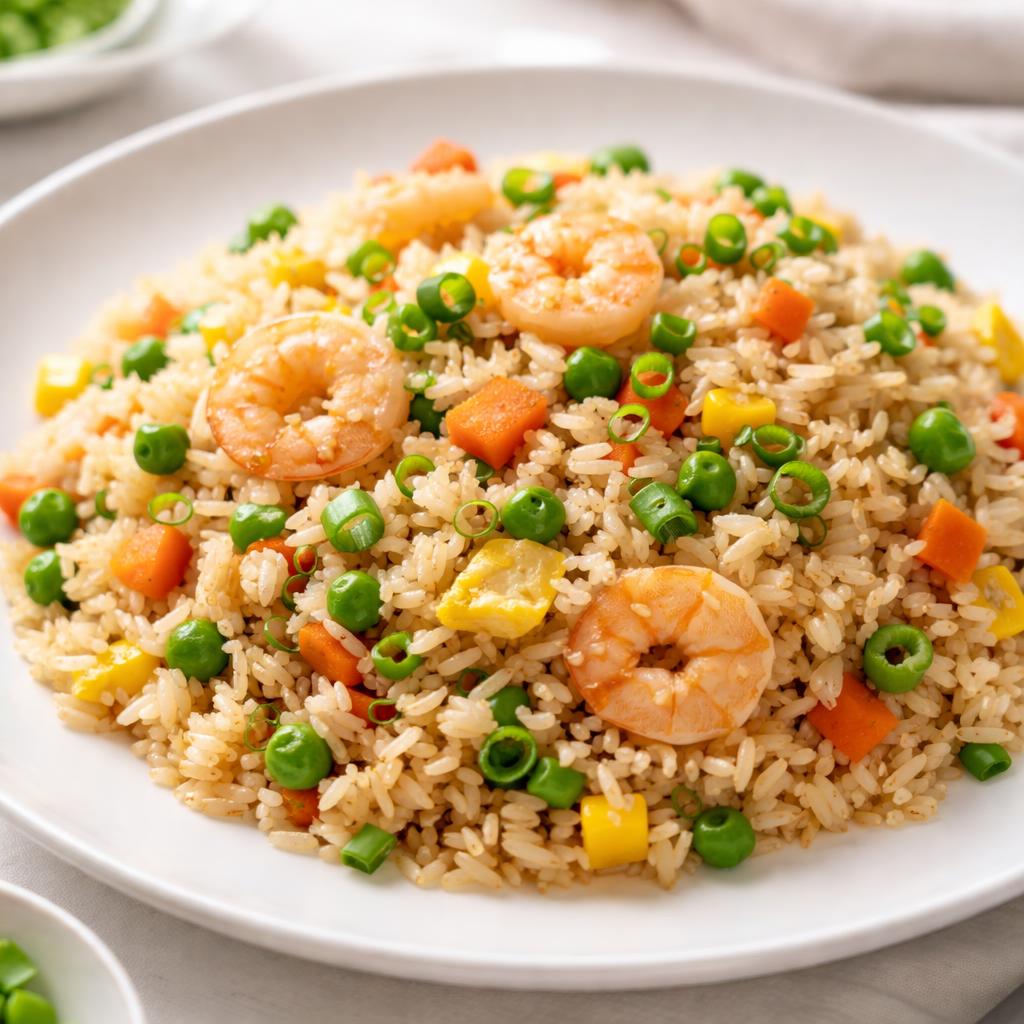
Fried Rice
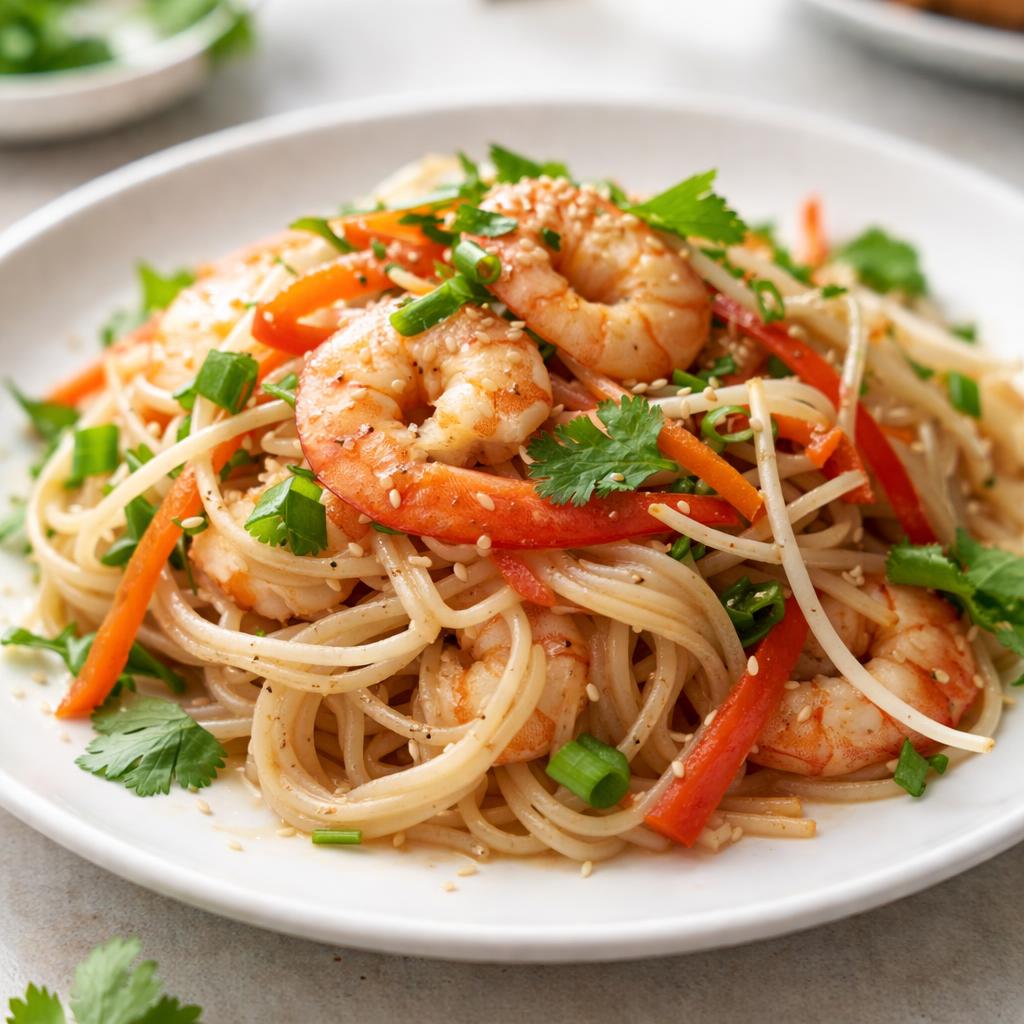
Rice Noodle
🎯 Quick Verdict
Fried rice is higher in protein and fiber, making it a good option for those looking for a more nutritious meal. Rice noodles are significantly lower in calories and fat, making them better suited for individuals aiming to reduce their calorie intake while enjoying a carb-heavy option. Both foods are versatile but fit different dietary goals.

Smart Nutrition Tracking with SnapCalorie

📊 Nutritional Comparison
Macronutrients
| Nutrient | Food 1 | Food 2 | Winner |
|---|---|---|---|
| Calories | 250 | 190 | ✓ |
| Protein | 5g | 3g | ✓ |
| Carbs | 35g | 42g | ✓ |
| Fat | 10g | 1g | ✓ |
| Fiber | 3g | 1g | ✓ |
Vitamins & Minerals
| Nutrient | Food 1 | Food 2 | Winner |
|---|---|---|---|
| Vitamin D | 0mcg | 0mcg | − |
| Calcium | 20mg | 10mg | ✓ |
| Iron | 1mg | 0.5mg | ✓ |
🏆 Category Winners
Protein
Fried rice contains over 65% more protein per serving compared to rice noodles.
Fiber
Fried rice provides three times as much fiber, supporting better digestion.
Calories
Rice noodles have approximately 25% fewer calories.
🥗 Diet Compatibility
Keto
Food 1: Not Compatible
Food 2: Not Compatible
Both are high-carb foods unsuited for a ketogenic diet.
Vegan
Food 1: Possible (if no meat or eggs used)
Food 2: Compatible
Rice noodles are inherently vegan, while fried rice can be vegan if prepared without animal products.
Gluten Free
Food 1: Compatible
Food 2: Compatible
Both foods are gluten-free as long as no gluten-containing sauces are used.
Paleo
Food 1: Not Compatible
Food 2: Not Compatible
Neither aligns with paleo guidelines due to high carb content and refined grains.
Low-Carb
Food 1: Not Compatible
Food 2: Not Compatible
Both foods are predominantly composed of carbohydrates.
💪 Health Benefits Comparison
Food 1 Benefits
- Higher protein content supports muscle maintenance.
- Fiber aids in digestion and promotes gut health.
- Contains a small amount of iron for improved energy levels.
Food 2 Benefits
- Low in calories, making it suitable for weight management.
- Virtually fat-free, supporting heart health.
- Provides a quick source of energy for physically active individuals.
✅ The Bottom Line
If you’re looking for a meal higher in protein and fiber, fried rice is the better choice. Rice noodles are a low-calorie option that works well for light meals or those prioritizing low-fat diets. Both options can be tailored to fit into different cuisines and dietary preferences.
Choose Food 1 for: Protein boost, balanced meal, fiber intake.
Choose Food 2 for: Low-calorie diets, light meals, versatile carb source.


