Fried Rice VS Keto Bread
A detailed nutritional comparison
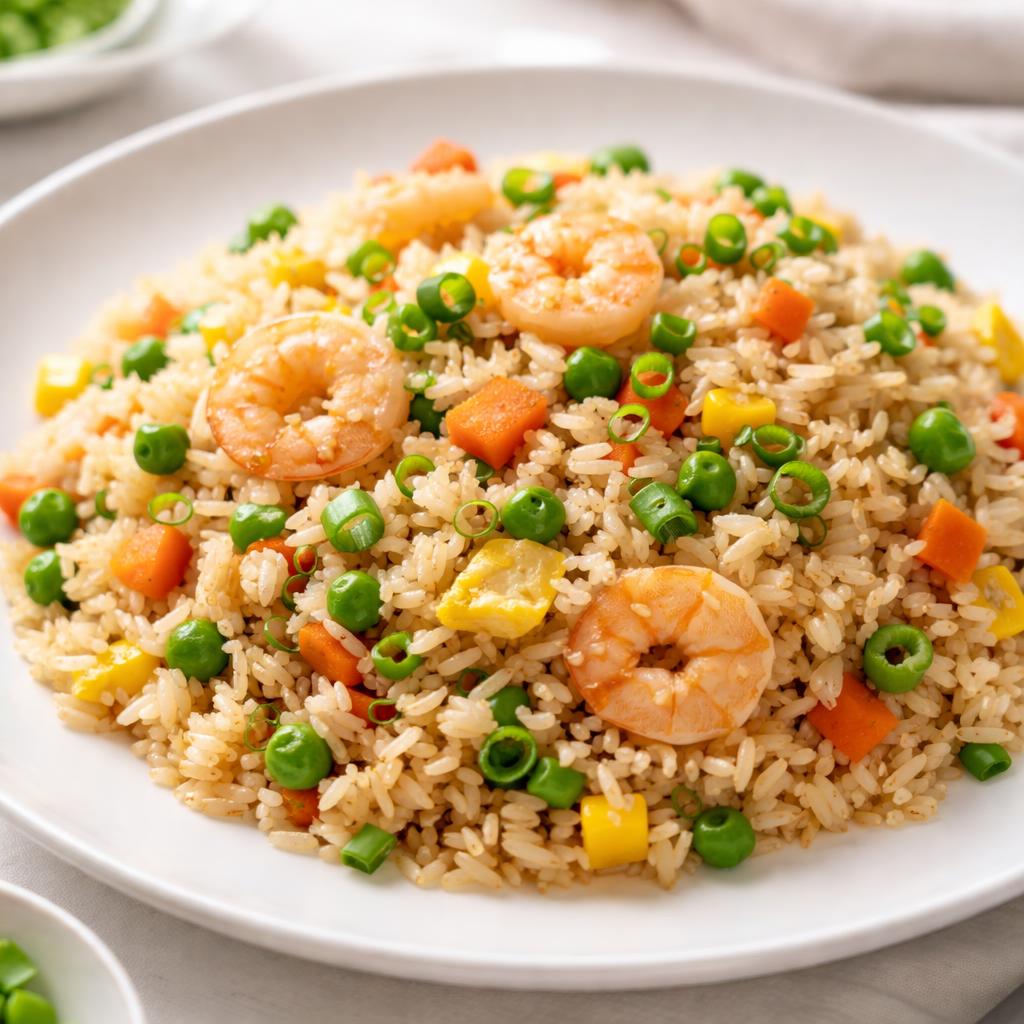
Fried Rice
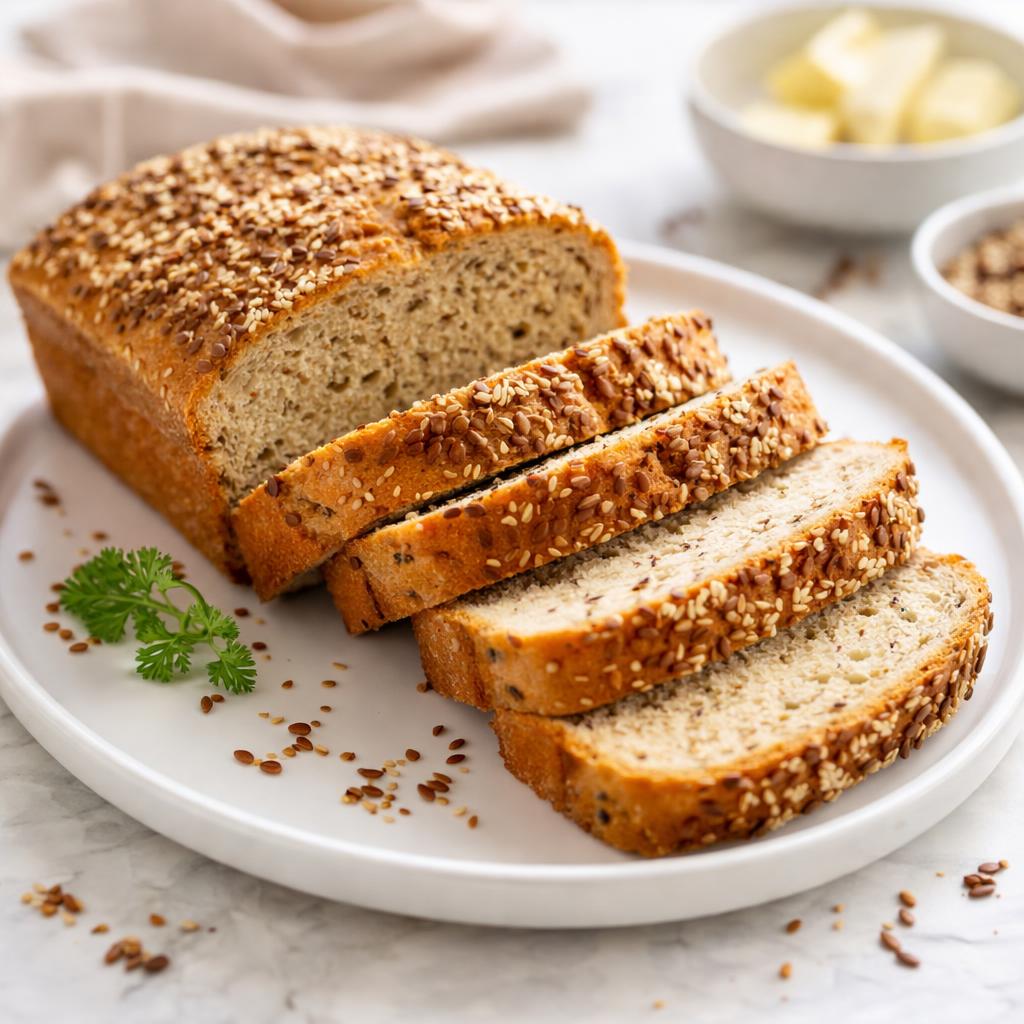
Keto Bread
🎯 Quick Verdict
Keto bread outperforms fried rice in most nutritional aspects, including protein content, fiber, and calorie count, making it better suited for low-carb and weight-conscious diets. Fried rice, on the other hand, provides more energy from carbohydrates, making it ideal for active lifestyles or quick refueling meals.

Smart Nutrition Tracking with SnapCalorie

📊 Nutritional Comparison
Macronutrients
| Nutrient | Food 1 | Food 2 | Winner |
|---|---|---|---|
| Calories | 250 | 120 | ✓ |
| Protein | 6g | 10g | ✓ |
| Carbs | 35g | 6g | ✓ |
| Fat | 8g | 4g | ✓ |
| Fiber | 2g | 10g | ✓ |
Vitamins & Minerals
| Nutrient | Food 1 | Food 2 | Winner |
|---|---|---|---|
| Vitamin B6 | 0.1mg | 0.5mg | ✓ |
| Iron | 1mg | 4mg | ✓ |
| Calcium | 20mg | 60mg | ✓ |
🏆 Category Winners
Protein
Keto bread offers nearly double the protein per serving compared to fried rice.
Fiber
Keto bread is substantially richer in fiber with 10g versus 2g in fried rice.
Calories
Keto bread contains less than half the calories of fried rice per serving.
🥗 Diet Compatibility
Keto
Food 1: Not Compatible
Food 2: Compatible
Food2 is low-carb and suitable for keto diets.
Vegan
Food 1: Not Compatible
Food 2: Depends on the recipe
Fried rice usually contains eggs; keto bread may be vegan depending on the recipe.
Gluten Free
Food 1: Not Compatible
Food 2: Depends on the brand
Fried rice isn't gluten-free due to soy sauce, while many keto bread products are gluten-free.
Paleo
Food 1: Not Compatible
Food 2: Compatible
Keto bread can be paleo-friendly if made with compliant ingredients like almond or coconut flour.
Low Carb
Food 1: Not Compatible
Food 2: Compatible
Food2 works within low-carb diets due to just 6g of carbs per serving.
💪 Health Benefits Comparison
Food 1 Benefits
- Provides quick energy from carbohydrates, ideal for physical activity
- Contains moderate protein for basic muscle repair
- Source of some iron and vitamin B6
Food 2 Benefits
- High protein content supports muscle growth and maintenance
- Rich in fiber for improved digestion and satiety
- Low in calories for weight management
- May be fortified with additional minerals like calcium and iron
✅ The Bottom Line
Choose keto bread if you're focused on weight management, low-carb diets, or a fiber- and protein-rich alternative. Fried rice is better suited for individuals needing quick energy or a carbohydrate-rich meal after physical activity.
Choose Food 1 for: Refueling after exercise, carbohydrate-rich meals, active lifestyles
Choose Food 2 for: Low-carb diets, weight control, digestion support, versatile bread replacement


