Fried Rice VS Homemade Bread
A detailed nutritional comparison
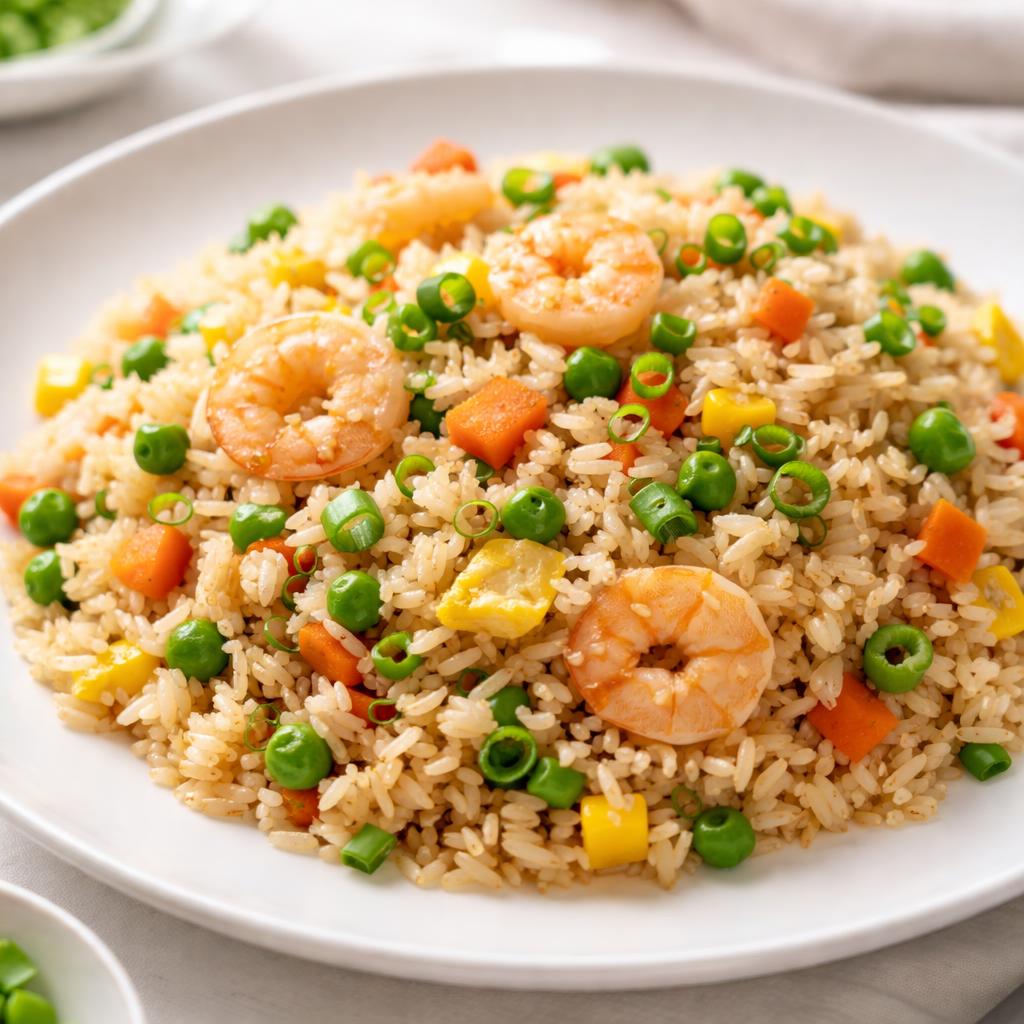
Fried Rice
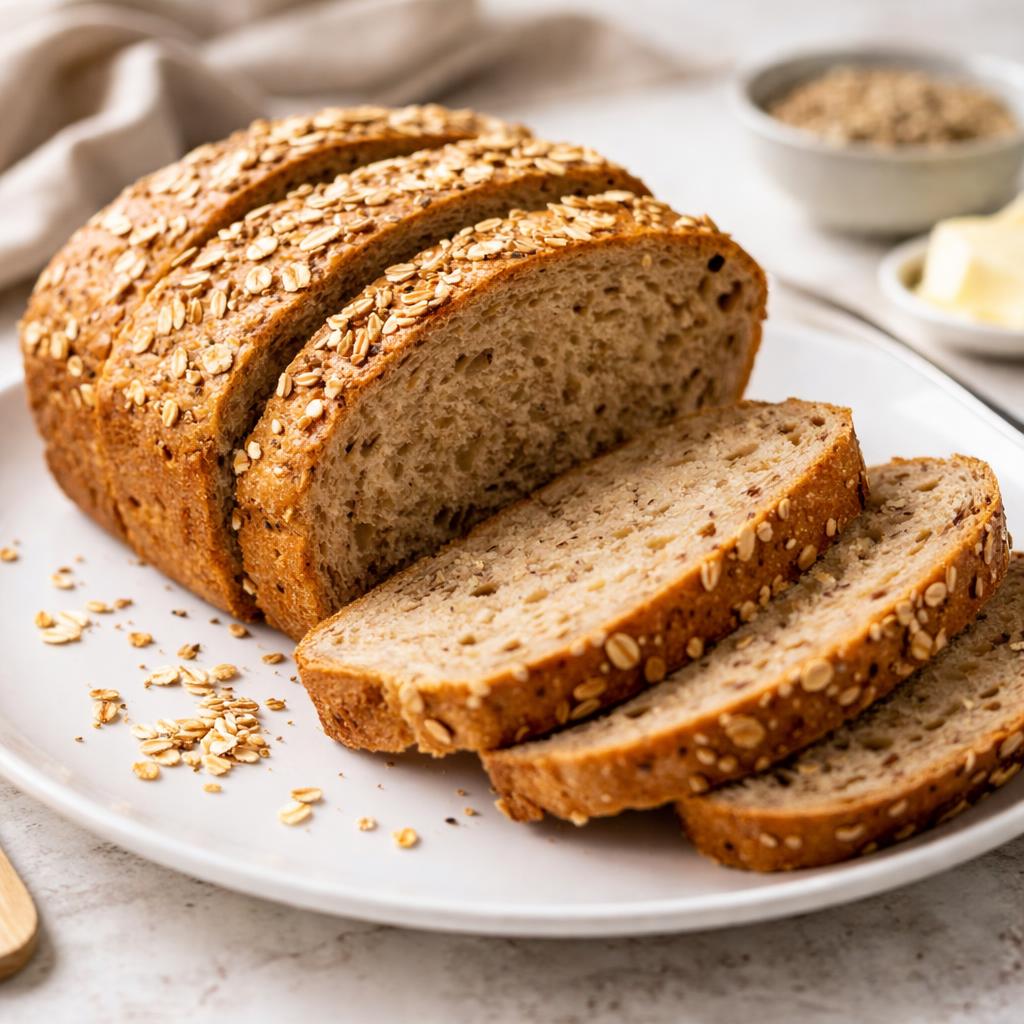
Homemade Bread
🎯 Quick Verdict
Fried rice and homemade bread offer different nutritional profiles: fried rice is richer in protein and slightly higher in calories, making it better for post-workout meals, while homemade bread is lower in calories and higher in fiber, supporting digestion. Bread is more versatile for various diets, but fried rice shines for quick energy and satisfying texture.

Smart Nutrition Tracking with SnapCalorie

📊 Nutritional Comparison
Macronutrients
| Nutrient | Food 1 | Food 2 | Winner |
|---|---|---|---|
| Calories | 250 | 180 | ✓ |
| Protein | 7g | 5g | ✓ |
| Carbs | 40g | 33g | ✓ |
| Fat | 8g | 2g | ✓ |
| Fiber | 1g | 2g | ✓ |
Vitamins & Minerals
| Nutrient | Food 1 | Food 2 | Winner |
|---|---|---|---|
| Vitamin D | 0mcg | 0mcg | − |
| Calcium | 10mg | 20mg | ✓ |
| Iron | 1mg | 2mg | ✓ |
🏆 Category Winners
Protein
Fried rice contains 40% more protein per serving.
Fiber
Homemade bread has double the fiber content.
Calories
Homemade bread is 28% lower in calories.
🥗 Diet Compatibility
Keto
Food 1: Not Compatible
Food 2: Not Compatible
Both are high in carbohydrates.
Vegan
Food 1: Compatible
Food 2: Compatible
Neither food contains animal products if prepared using plant-based ingredients.
Gluten Free
Food 1: Not Compatible
Food 2: Not Compatible
Both foods contain gluten unless special gluten-free versions are made.
Paleo
Food 1: Not Compatible
Food 2: Not Compatible
Grains (used in both foods) are excluded from paleo diets.
Low Carb
Food 1: Not Compatible
Food 2: Not Compatible
Both foods have moderate to high carbohydrate content.
💪 Health Benefits Comparison
Food 1 Benefits
- Provides quick energy from carbohydrates
- Contains moderate protein for muscle repair
- Can be customized with vegetables and lean protein for added nutrients
Food 2 Benefits
- Lower in calories, supporting weight management
- Contains fiber for improved digestion
- Good source of iron for red blood cell production
✅ The Bottom Line
Choose fried rice for quick energy or post-workout meals, especially if paired with vegetables and protein. Homemade bread is a better choice for weight-conscious individuals seeking fiber, or as a daily staple food for versatility.
Choose Food 1 for: Quick meals, energy boosts
Choose Food 2 for: Weight management, digestion, overall daily use


