Fried Rice VS Black Rice
A detailed nutritional comparison
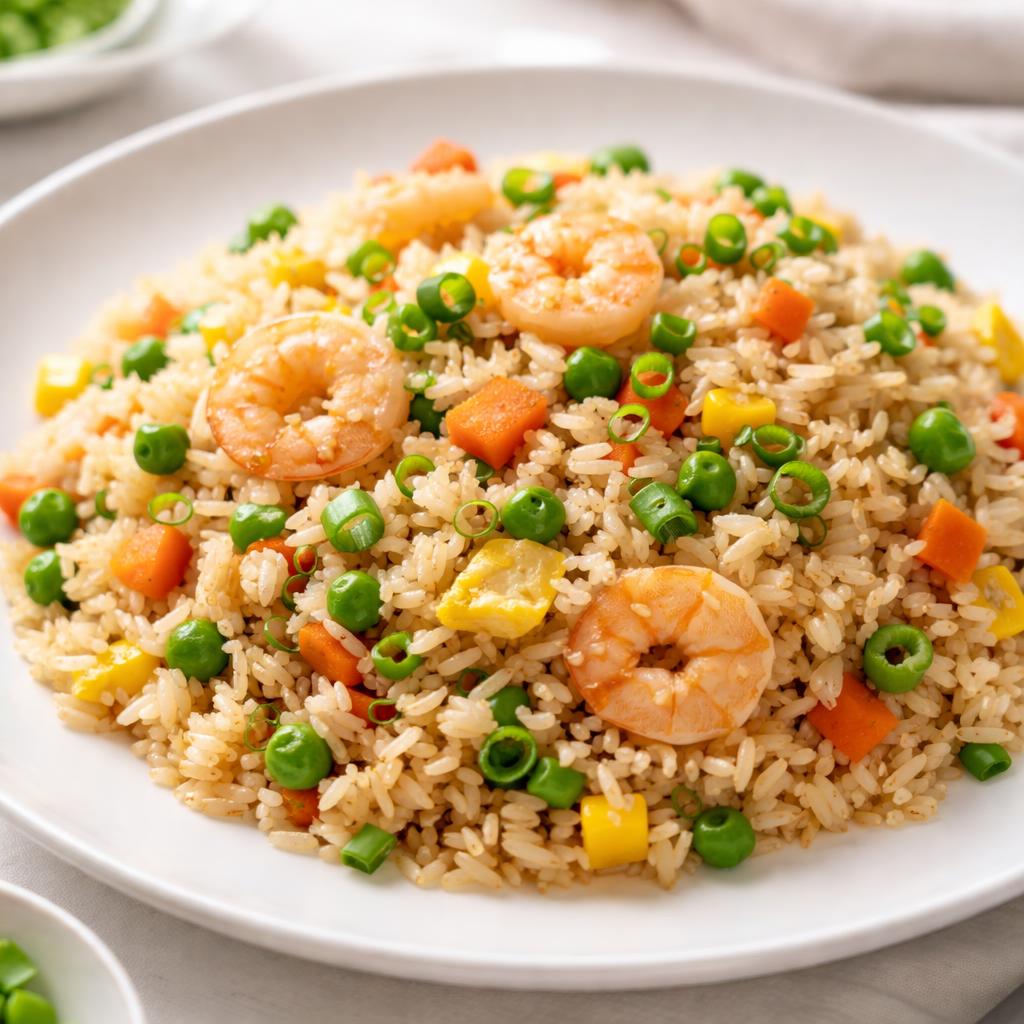
Fried Rice
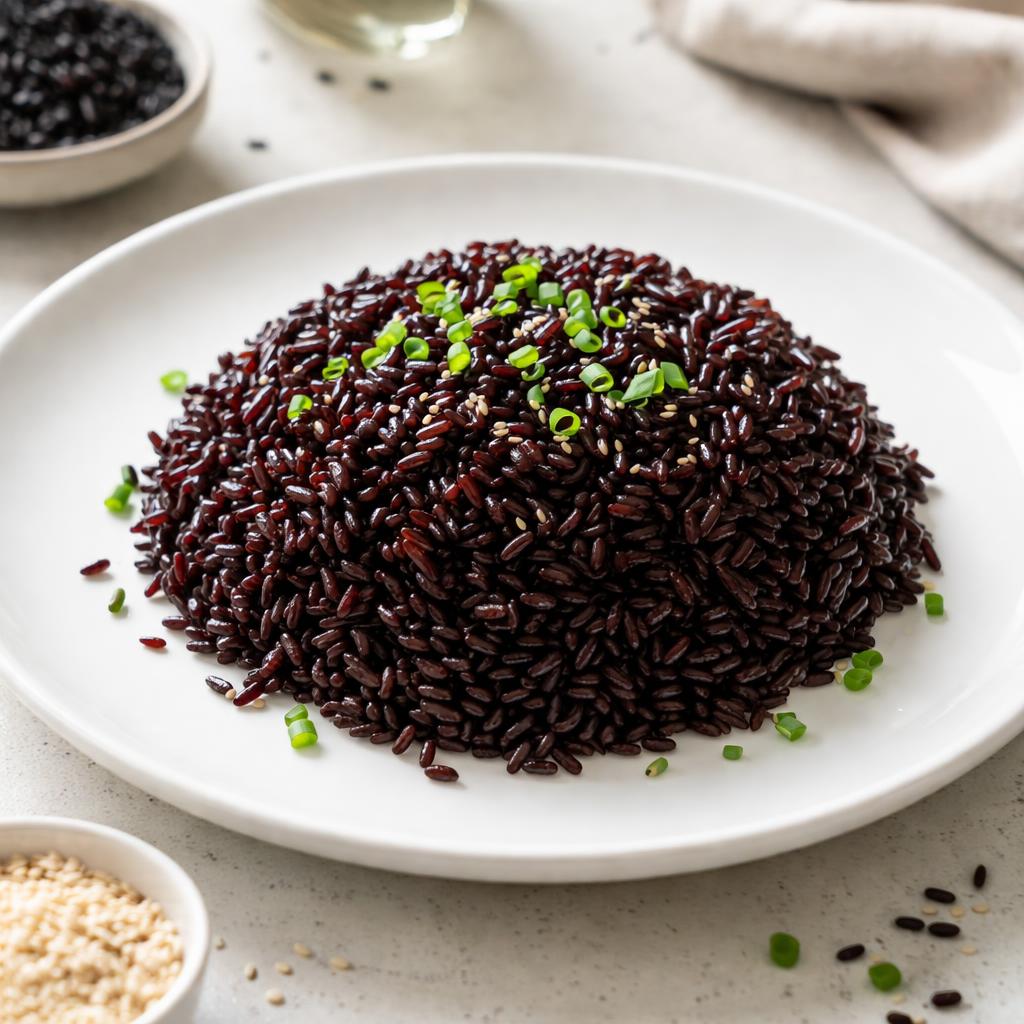
Black Rice
🎯 Quick Verdict
Black rice generally outperforms fried rice on nutritional metrics. While both foods offer protein, black rice has slightly higher fiber, fewer calories, and more vitamins. Fried rice may be more flavorful due to added ingredients but is higher in fat and calories due to oils and additives. Black rice is better suited for nutrient-dense meals and weight management, whereas fried rice is ideal for enjoyable, energy-dense meals.

Smart Nutrition Tracking with SnapCalorie

📊 Nutritional Comparison
Macronutrients
| Nutrient | Food 1 | Food 2 | Winner |
|---|---|---|---|
| Calories | 320 | 200 | ✓ |
| Protein | 6g | 6g | − |
| Carbs | 45g | 42g | ✓ |
| Fat | 12g | 1g | ✓ |
| Fiber | 2g | 3g | ✓ |
Vitamins & Minerals
| Nutrient | Food 1 | Food 2 | Winner |
|---|---|---|---|
| Vitamin A | 0mcg | 5mcg | ✓ |
| Vitamin C | 0mg | 1mg | ✓ |
| Vitamin E | 1mg | 1.5mg | ✓ |
| Iron | 1mg | 2mg | ✓ |
| Magnesium | 13mg | 45mg | ✓ |
🏆 Category Winners
Protein
Both fried rice and black rice provide similar protein content (6g per serving).
Fiber
Black rice offers 50% more fiber, making it better for digestion.
Calories
Black rice contains 37.5% fewer calories than fried rice, benefiting weight management.
Vitamins
Black rice contains higher levels of iron, magnesium, and antioxidants.
🥗 Diet Compatibility
Keto
Food 1: Not Compatible
Food 2: Not Compatible
Both foods are high in carbs and unsuitable for ketogenic diets.
Vegan
Food 1: Depends on preparation
Food 2: Compatible
Black rice is vegan; fried rice may contain non-vegan additives such as eggs.
Gluten Free
Food 1: Depends on preparation
Food 2: Compatible
Black rice is naturally gluten-free, while fried rice could contain gluten if soy sauces or breadcrumbs are added.
Paleo
Food 1: Not Compatible
Food 2: Not Compatible
Rice is not allowed in strict paleo diets.
Low Carb
Food 1: Not Compatible
Food 2: Not Compatible
Carbohydrates exceed low-carb requirements for both foods.
💪 Health Benefits Comparison
Food 1 Benefits
- Provides quick energy from carbs
- Satiating due to fat content from oils
- Good for post-workout recovery when prepared with protein-rich ingredients
Food 2 Benefits
- Rich in antioxidants, which help fight free radicals
- High fiber content supports digestion and gut health
- Lower calorie density aids in weight management
✅ The Bottom Line
Choose black rice for weight management, digestive health, and nutrient density. Opt for fried rice for a flavorful, energy-rich meal or post-workout recovery when paired with protein-rich ingredients.
Choose Food 1 for: Flavor, quick energy, indulgent meals
Choose Food 2 for: Weight loss, nutrient density, antioxidant support


