Fried Rice VS Baked Pasta
A detailed nutritional comparison
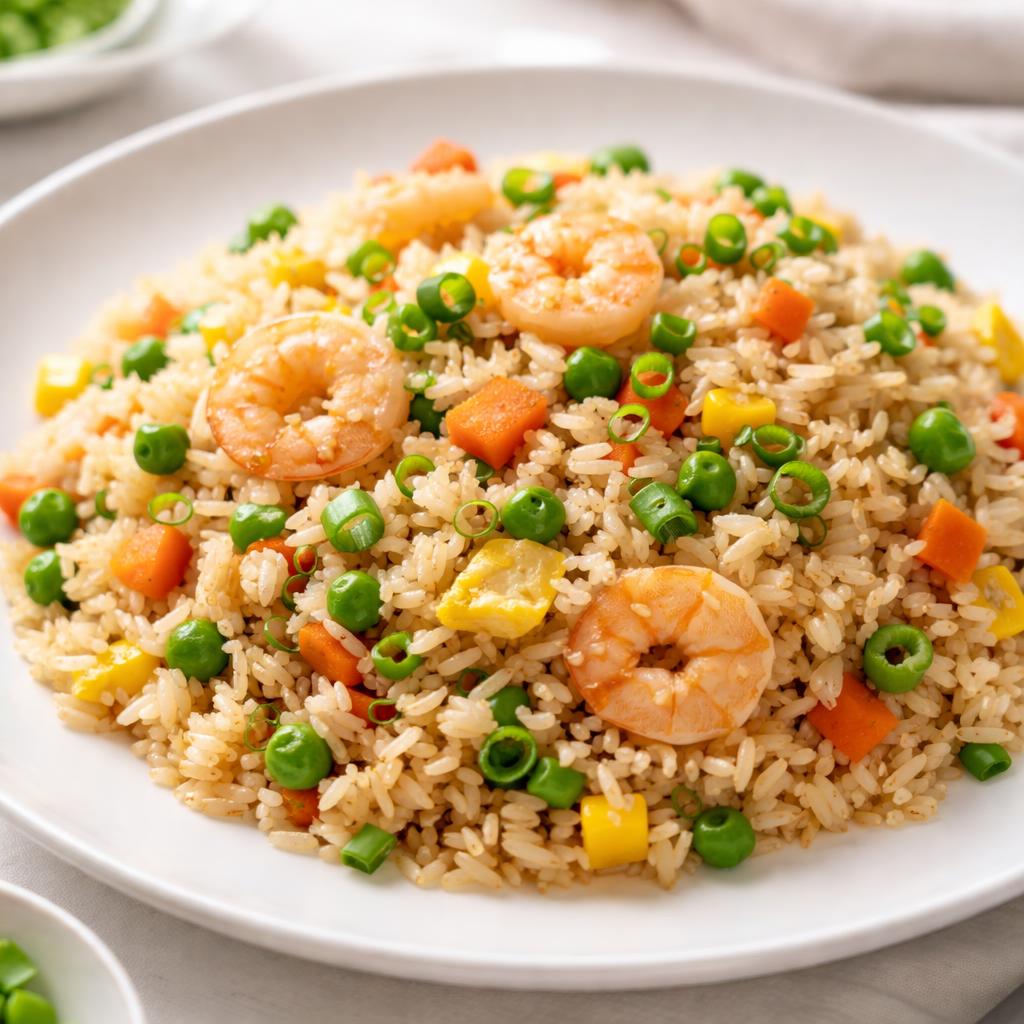
Fried Rice
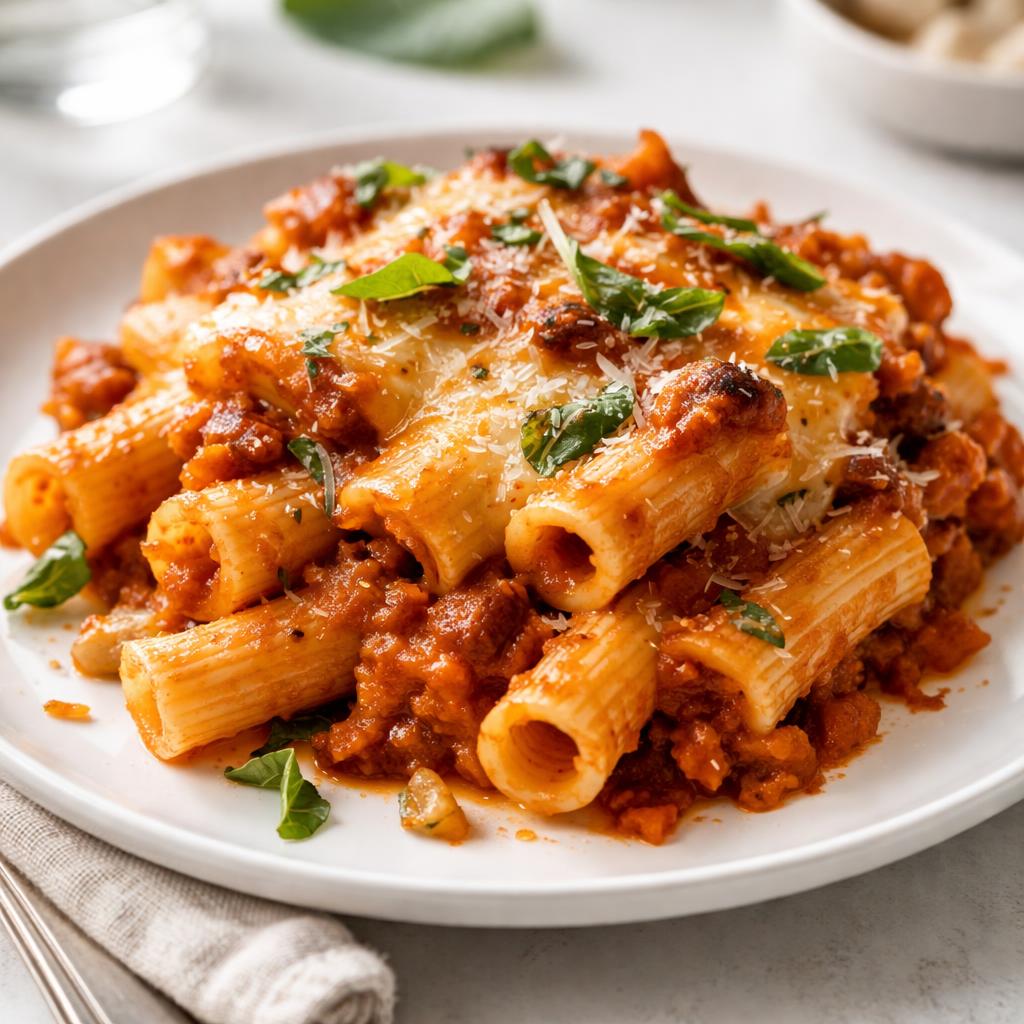
Baked Pasta
🎯 Quick Verdict
Fried rice is lower in calories and a good option for lighter meals, while baked pasta is higher in protein and fiber, making it better for sustained energy and satiety. Both are versatile comfort foods, but their nutritional profiles seem suited for different dietary goals.

Smart Nutrition Tracking with SnapCalorie

📊 Nutritional Comparison
Macronutrients
| Nutrient | Food 1 | Food 2 | Winner |
|---|---|---|---|
| Calories | 250 per cup | 350 per cup | ✓ |
| Protein | 6g per cup | 12g per cup | ✓ |
| Carbs | 40g per cup | 45g per cup | ✓ |
| Fat | 8g per cup | 10g per cup | ✓ |
| Fiber | 2g per cup | 4g per cup | ✓ |
Vitamins & Minerals
| Nutrient | Food 1 | Food 2 | Winner |
|---|---|---|---|
| Vitamin D | 1mcg | 2mcg | ✓ |
| Calcium | 20mg | 30mg | ✓ |
| Iron | 1mg | 1.5mg | ✓ |
🏆 Category Winners
Protein
Baked pasta contains 100% more protein per cup compared to fried rice.
Fiber
Baked pasta has twice the fiber content of fried rice.
Calories
Fried rice has 29% fewer calories per serving than baked pasta.
Vitamins
Baked pasta is slightly richer in Vitamin D, Calcium, and Iron.
🥗 Diet Compatibility
Keto
Food 1: Not Compatible
Food 2: Not Compatible
Both are high in carbohydrates.
Vegan
Food 1: Depends on ingredients
Food 2: Depends on ingredients
Both can be made vegan with plant-based ingredients.
Gluten Free
Food 1: Depends on preparation
Food 2: Not Compatible
Baked pasta generally contains wheat; fried rice can be gluten-free if made without soy sauce.
Paleo
Food 1: Not Compatible
Food 2: Not Compatible
Both contain grains and are not paleo-friendly.
Low Carb
Food 1: Not Compatible
Food 2: Not Compatible
Both are carbohydrate-dense foods.
💪 Health Benefits Comparison
Food 1 Benefits
- Lower calories for weight management
- Moderate carbohydrate content for energy
- Versatile dish for adding vegetables and proteins
Food 2 Benefits
- Higher protein for muscle maintenance
- Rich in fiber for digestive health
- Good levels of calcium for bone support
✅ The Bottom Line
Choose fried rice if you are looking for a lower-calorie option that can be customized with lean proteins and vegetables. Opt for baked pasta if you need a higher-protein and fiber-rich meal for sustained energy and post-workout recovery.
Choose Food 1 for: Weight management, light meals, quick preparation
Choose Food 2 for: Higher satiety, post-workout recovery, nutrient density


