Fried Noodles VS Vermicelli Noodles
A detailed nutritional comparison
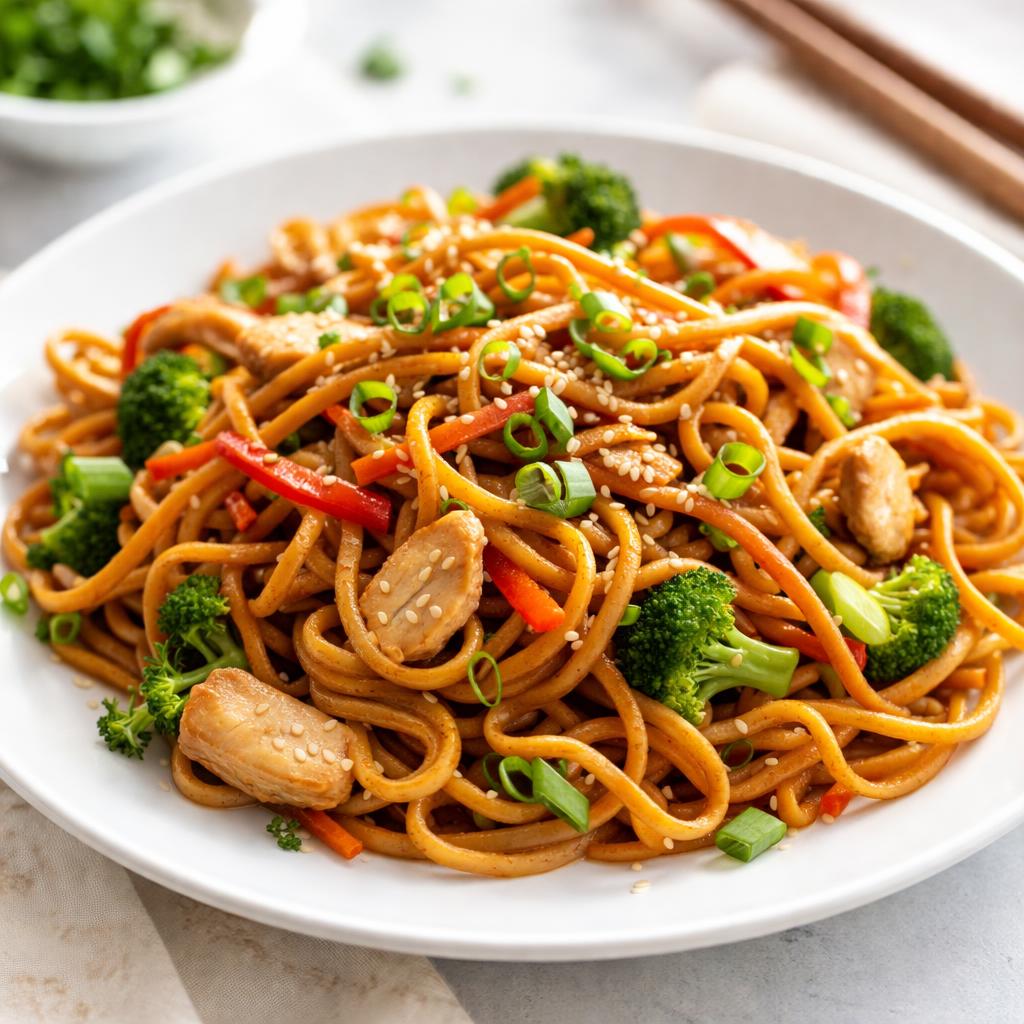
Fried Noodles
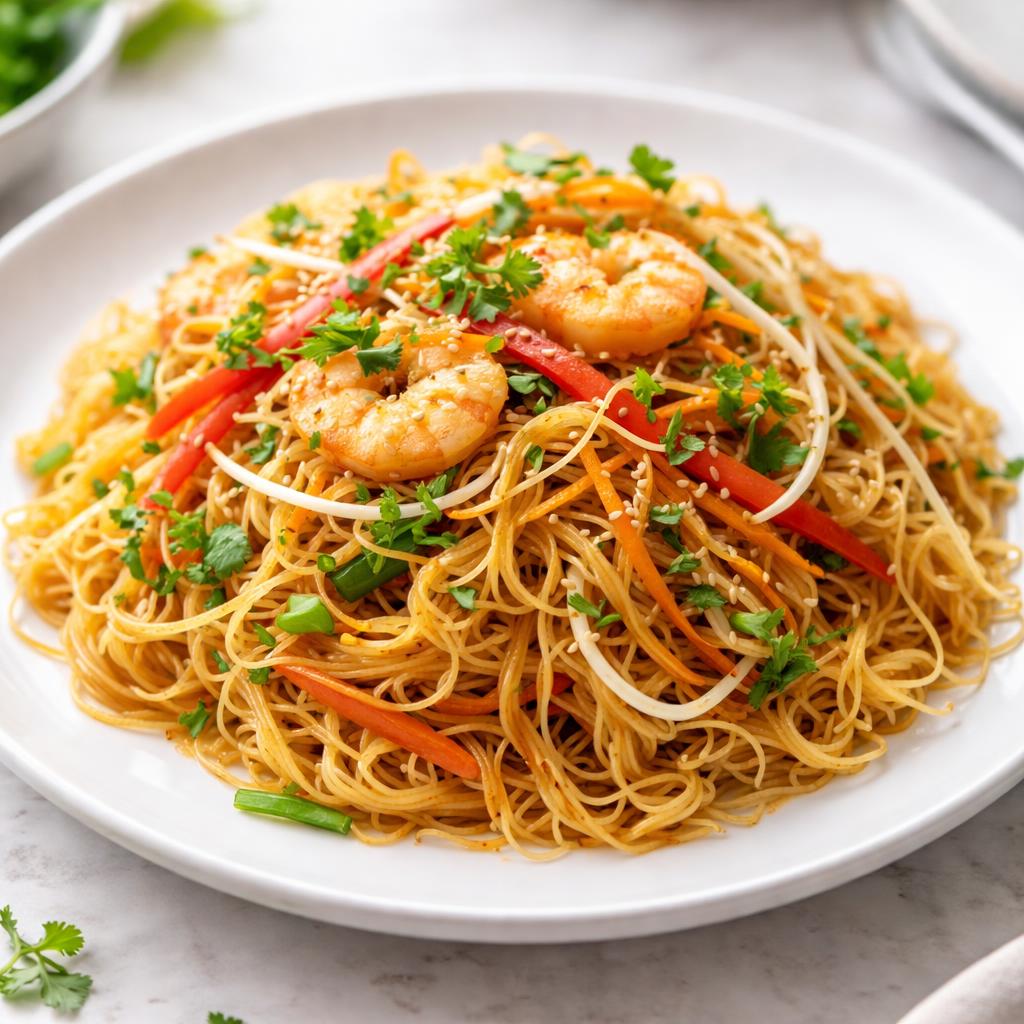
Vermicelli Noodles
🎯 Quick Verdict
Fried noodles are higher in calories and fat due to being cooked with oil, while vermicelli noodles are much lighter with fewer calories and less fat. Vermicelli noodles also contain more fiber and are a better choice for low-calorie and nutrient-focused meals. Fried noodles are more appropriate for energy-dense meals or as an indulgent treat.

Smart Nutrition Tracking with SnapCalorie

📊 Nutritional Comparison
Macronutrients
| Nutrient | Food 1 | Food 2 | Winner |
|---|---|---|---|
| Calories | 350 | 192 | ✓ |
| Protein | 6g | 6g | − |
| Carbs | 50g | 43g | ✓ |
| Fat | 15g | 1g | ✓ |
| Fiber | 2g | 3.5g | ✓ |
Vitamins & Minerals
| Nutrient | Food 1 | Food 2 | Winner |
|---|---|---|---|
| Vitamin D | 0mcg | 0mcg | − |
| Calcium | 20mg | 10mg | ✓ |
| Iron | 2mg | 0.7mg | ✓ |
🏆 Category Winners
Protein
Both foods provide 6g of protein per serving.
Fiber
Vermicelli noodles have 75% more fiber per serving.
Calories
Vermicelli noodles contain 45% fewer calories than fried noodles.
🥗 Diet Compatibility
Keto
Food 1: Not Compatible
Food 2: Not Compatible
Both foods are high in carbohydrates.
Vegan
Food 1: Compatible
Food 2: Compatible
Both are plant-based unless additional non-vegan ingredients are added.
Gluten Free
Food 1: Not Compatible
Food 2: Compatible
Vermicelli noodles made from rice are gluten-free, but fried noodles made from wheat are not.
Paleo
Food 1: Not Compatible
Food 2: Not Compatible
Both foods are grain-based, excluding them from paleo diets.
Low-Carb
Food 1: Not Compatible
Food 2: Not Compatible
Both foods contain high carbohydrates (over 40g per serving).
💪 Health Benefits Comparison
Food 1 Benefits
- Provides quick and dense energy for high-activity needs
- Contains iron to support oxygen transport in the body
- Flavorful base for stir-fries and protein-rich toppings
Food 2 Benefits
- Low in fat, making it ideal for heart health
- Higher in fiber to support digestion and satiety
- Gluten-free alternative for those with intolerance
✅ The Bottom Line
Fried noodles are best for heavier, energy-rich meals or indulgences, while vermicelli noodles are better for lighter, lower-calorie dishes and gluten-free diets. Vermicelli noodles' lower calorie and fat content make them a healthier choice overall.
Choose Food 1 for: Energy-dense meals, iron intake, indulgent stir fries
Choose Food 2 for: Low-calorie diets, gluten-free meals, digestion support


