Fried Noodles VS Sour Dough Bread
A detailed nutritional comparison
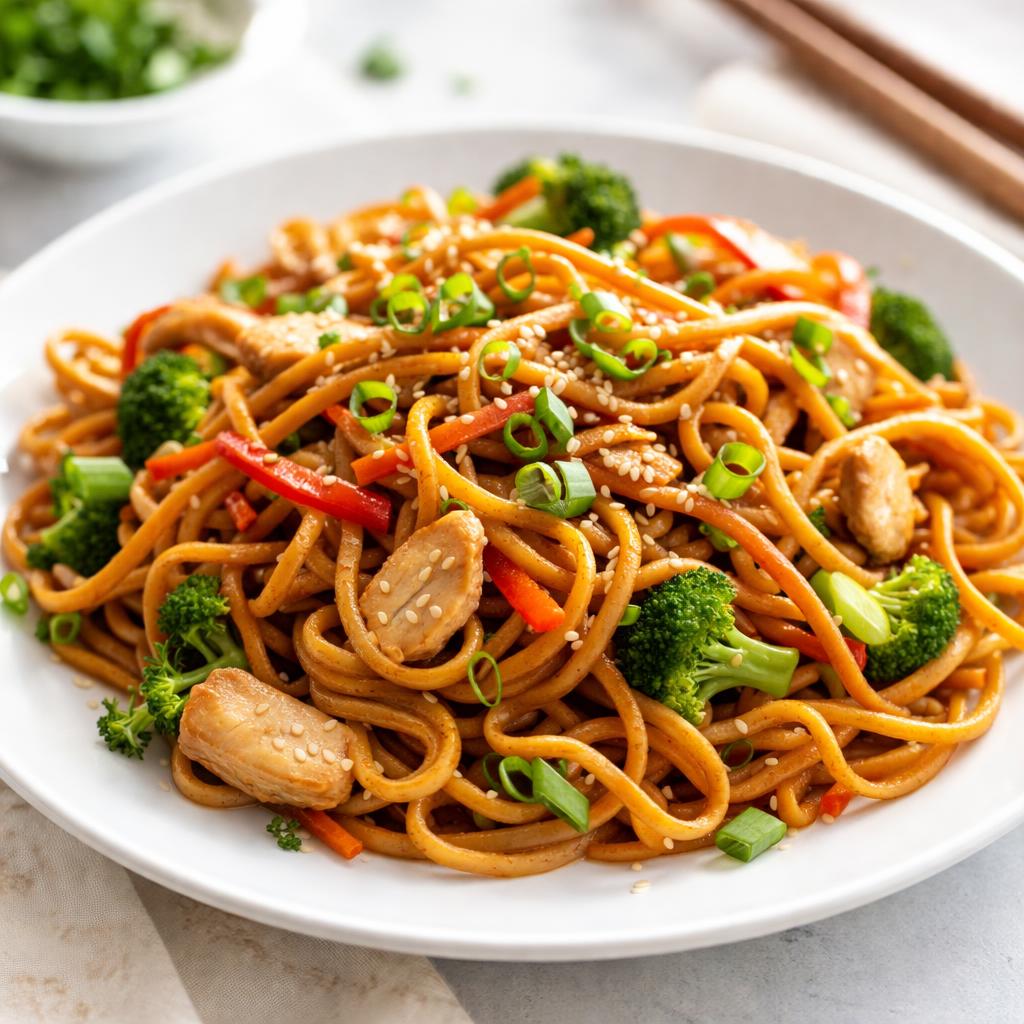
Fried Noodles
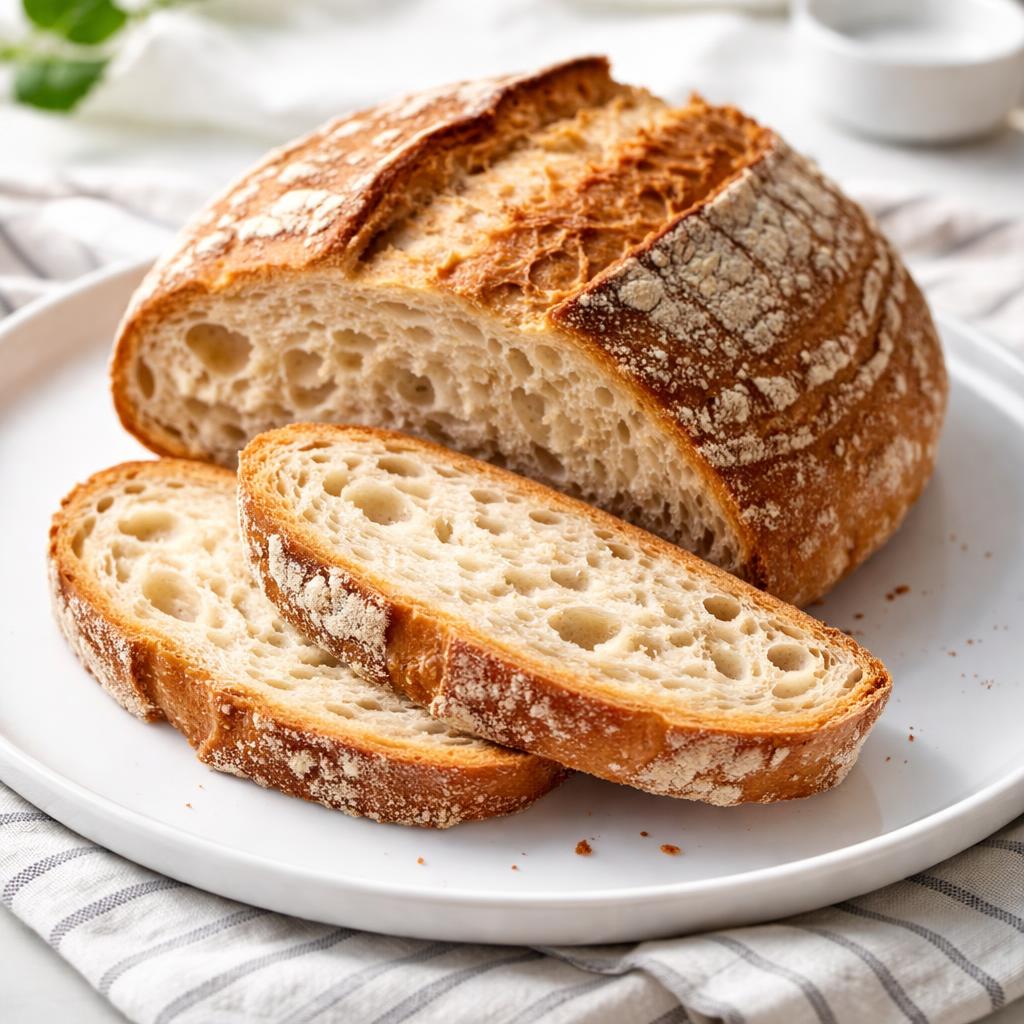
Sour Dough Bread
🎯 Quick Verdict
Sourdough bread generally offers a more balanced nutritional profile compared to fried noodles. It is lower in calories, higher in fiber, and provides slightly more protein. Fried noodles are often calorie-dense and higher in fat, making them less suitable for weight management but preferred for quick energy boosts. Sourdough bread is a better option for heart health and sustained energy due to its nutrient density.

Smart Nutrition Tracking with SnapCalorie

📊 Nutritional Comparison
Macronutrients
| Nutrient | Food 1 | Food 2 | Winner |
|---|---|---|---|
| Calories | 250 | 190 | ✓ |
| Protein | 6g | 8g | ✓ |
| Carbs | 35g | 36g | ✓ |
| Fat | 10g | 2g | ✓ |
| Fiber | 2g | 3g | ✓ |
Vitamins & Minerals
| Nutrient | Food 1 | Food 2 | Winner |
|---|---|---|---|
| Vitamin D | 0mcg | 0mcg | − |
| Calcium | 10mg | 80mg | ✓ |
| Iron | 0.5mg | 0.8mg | ✓ |
🏆 Category Winners
Protein
Sourdough bread has 33% more protein on average.
Fiber
Sourdough bread contains 50% more fiber for improved digestion.
Calories
Sourdough bread has 24% fewer calories per serving.
🥗 Diet Compatibility
Keto
Food 1: Not Compatible
Food 2: Not Compatible
Both are high-carb foods.
Vegan
Food 1: Compatible
Food 2: Compatible
Neither contain animal products.
Gluten Free
Food 1: Not Compatible
Food 2: Not Compatible
Both contain gluten.
Paleo
Food 1: Not Compatible
Food 2: Not Compatible
Neither food conforms to paleo principles.
Low Carb
Food 1: Not Compatible
Food 2: Not Compatible
Both foods are relatively high in carbs.
💪 Health Benefits Comparison
Food 1 Benefits
- Quick energy source due to high carb content
- Provides fats for energy storage
- Contains trace minerals depending on recipe
Food 2 Benefits
- Good source of fiber for digestion support
- Lower in fat, making it heart-healthy
- Contains natural probiotics from fermentation process
✅ The Bottom Line
Food2 (sourdough bread) is the better choice overall thanks to its balanced nutrients and health advantages, including lower calories, higher protein, and fiber content. Food1 (fried noodles) may still be suitable for quick energy needs or convenience, especially for physically active individuals or as part of occasional indulgence.
Choose Food 1 for: Convenient, quick energy boost, calorie-dense meals
Choose Food 2 for: Weight management, digestive health, sustained energy


