Fried Noodles VS Glass Noodles
A detailed nutritional comparison
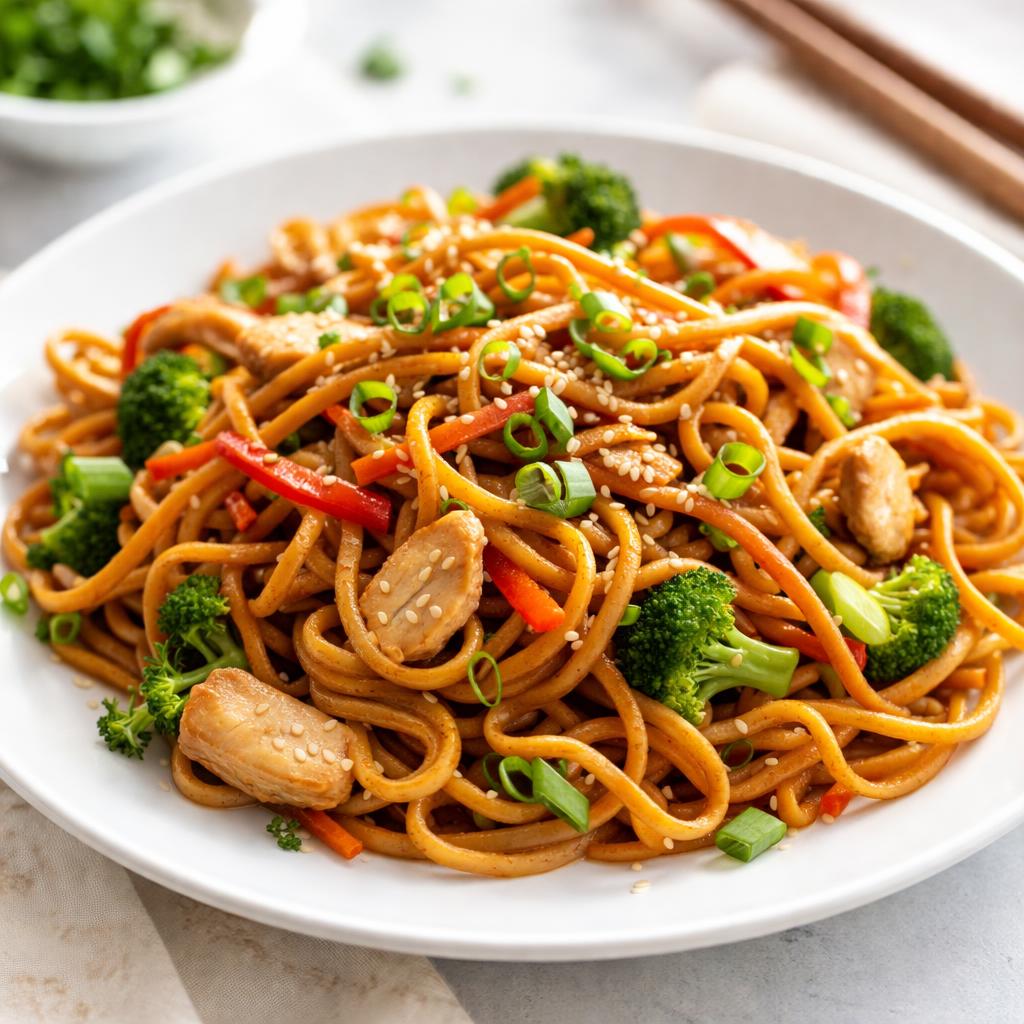
Fried Noodles
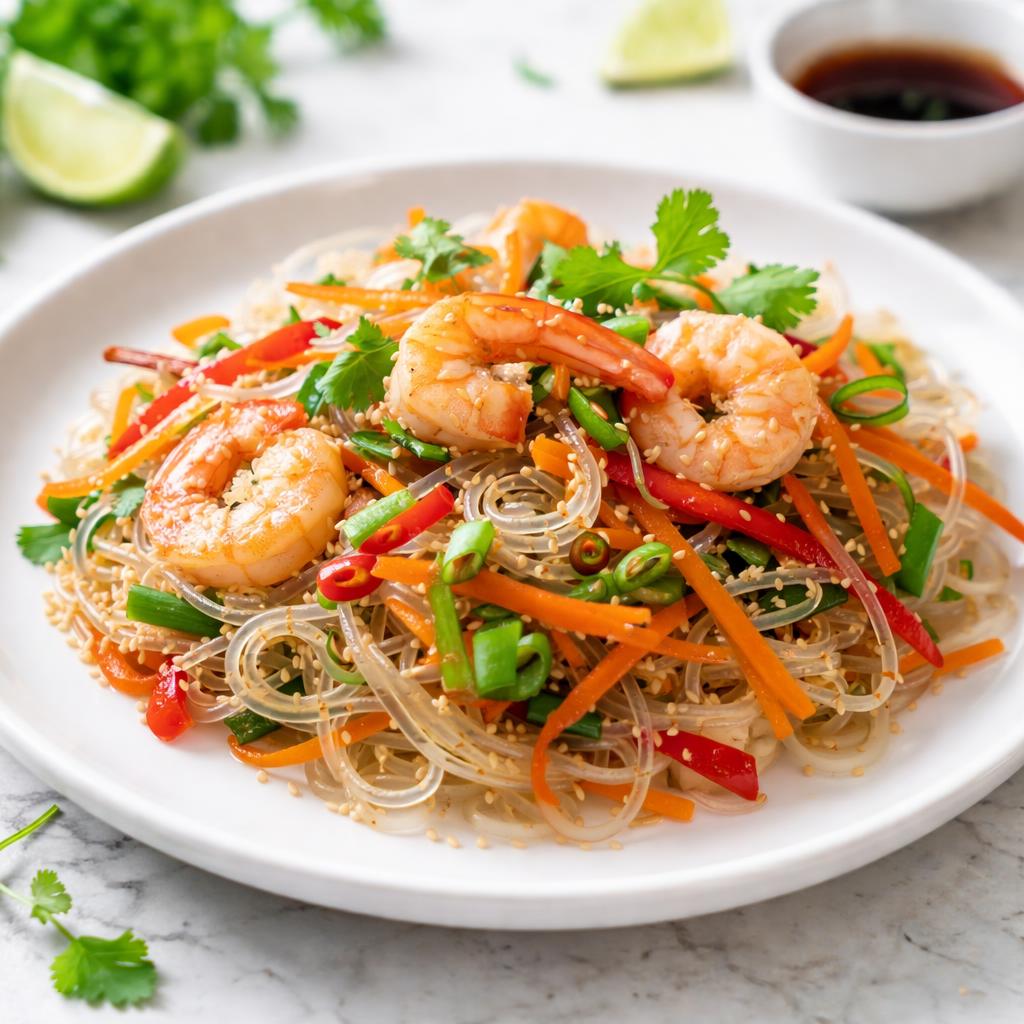
Glass Noodles
🎯 Quick Verdict
Glass noodles are the lower-calorie, higher-fiber option, while fried noodles offer more protein but also higher fat and calories. Fried noodles are better for energy-dense meals but may not suit calorie-conscious diets. Glass noodles excel in light, low-calorie dishes and are suitable for gluten-free lifestyles.

Smart Nutrition Tracking with SnapCalorie

📊 Nutritional Comparison
Macronutrients
| Nutrient | Food 1 | Food 2 | Winner |
|---|---|---|---|
| Calories | 220 | 180 | ✓ |
| Protein | 8g | 1g | ✓ |
| Carbs | 32g | 44g | ✓ |
| Fat | 10g | 0g | ✓ |
| Fiber | 2g | 4g | ✓ |
Vitamins & Minerals
| Nutrient | Food 1 | Food 2 | Winner |
|---|---|---|---|
| Vitamin D | 0mcg | 0mcg | − |
| Calcium | 10mg | 3mg | ✓ |
| Iron | 1.5mg | 0.5mg | ✓ |
🏆 Category Winners
Protein
Fried noodles provide 8 times more protein than glass noodles.
Fiber
Glass noodles contain twice the fiber content.
Calories
Glass noodles have 18% fewer calories per serving.
Vitamins
Fried noodles have slightly more calcium and iron levels.
🥗 Diet Compatibility
Keto
Food 1: Not Compatible
Food 2: Not Compatible
Both are high in carbs and unsuitable for keto.
Vegan
Food 1: Compatible
Food 2: Compatible
Both are plant-based.
Gluten Free
Food 1: Not Compatible
Food 2: Compatible
Glass noodles are gluten-free as they are typically made from tapioca or mung bean starch.
Paleo
Food 1: Not Compatible
Food 2: Compatible
Glass noodles are paleo-friendly due to minimal processing, whereas fried noodles are cooked in oil and made from refined flour.
Low-Carb
Food 1: Not Compatible
Food 2: Not Compatible
Both are high-carb foods unsuitable for low-carb diets.
💪 Health Benefits Comparison
Food 1 Benefits
- Energy-dense and suitable for active individuals
- Higher protein content for muscle recovery
- Contains some iron for red blood cell production
Food 2 Benefits
- Low-calorie option for weight management
- Higher fiber for improved digestion
- Gluten-free and suitable for sensitive individuals
✅ The Bottom Line
Fried noodles are better for protein-rich, energy-dense meals but come with higher calories and fat. Glass noodles are a lighter, gluten-free alternative with more fiber and fewer calories, ideal for weight management and digestive health.
Choose Food 1 for: Post-workout meals, energy-dense dishes, protein-focused diets
Choose Food 2 for: Weight management, gluten-free or paleo diets, light meals


