Flatbread VS Whole Bread
A detailed nutritional comparison

Flatbread
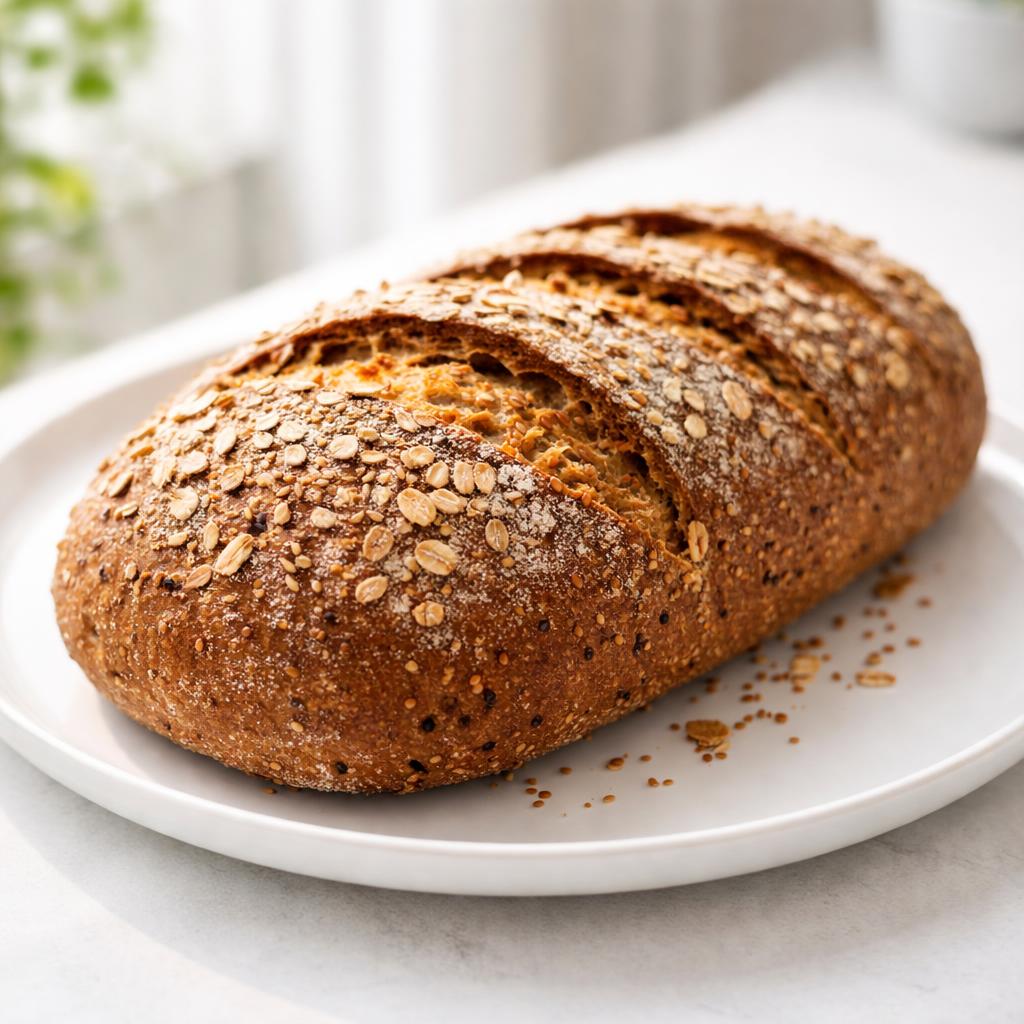
Whole Bread
🎯 Quick Verdict
Whole bread generally offers higher nutritional density, including more fiber and protein, making it better for sustained energy and digestion. Flatbread is lower in calories and carbohydrates, which may suit low-calorie or low-carb diets better. Both can fit into a healthy diet depending on individual dietary goals and taste preferences.

Smart Nutrition Tracking with SnapCalorie

📊 Nutritional Comparison
Macronutrients
| Nutrient | Food 1 | Food 2 | Winner |
|---|---|---|---|
| Calories | 120 | 160 | ✓ |
| Protein | 4g | 6g | ✓ |
| Carbs | 22g | 28g | ✓ |
| Fat | 2g | 2.5g | ✓ |
| Fiber | 1.5g | 3g | ✓ |
Vitamins & Minerals
| Nutrient | Food 1 | Food 2 | Winner |
|---|---|---|---|
| Vitamin B6 | 0.1mg | 0.2mg | ✓ |
| Iron | 1.5mg | 2mg | ✓ |
| Magnesium | 12mg | 20mg | ✓ |
🏆 Category Winners
Protein
Whole bread provides 50% more protein per serving, ideal for muscle maintenance.
Fiber
Whole bread offers double the fiber for improved digestion and satiety.
Calories
Flatbread is lower in calories, making it better for calorie-conscious diets.
🥗 Diet Compatibility
Keto
Food 1: Not Compatible
Food 2: Not Compatible
Both are too high in carbs for a ketogenic diet.
Vegan
Food 1: Compatible
Food 2: Compatible
Both are plant-based and meet vegan standards.
Gluten Free
Food 1: Not Compatible
Food 2: Not Compatible
Neither is suitable for gluten-free diets as they contain wheat.
Paleo
Food 1: Not Compatible
Food 2: Not Compatible
Grain-based foods like flatbread and whole bread are not paleo-friendly.
Low Carb
Food 1: Partially Compatible
Food 2: Not Compatible
Flatbread is lower in carbs than whole bread, but still moderate-carb overall.
💪 Health Benefits Comparison
Food 1 Benefits
- Lower in calories, supporting weight management
- Good for controlled carbohydrate intake
- Quick energy source due to simple carbohydrates
Food 2 Benefits
- Higher in fiber, promoting better digestion
- Richer in protein for muscle support
- Provides more vitamins and minerals, supporting overall health
✅ The Bottom Line
Choose flatbread if you’re looking for a lower calorie option or prefer simplicity in your meals. Pick whole bread for enhanced nutritional value, including higher fiber and protein, ideal for sustained energy and long-term health. Both can fit into a balanced diet when consumed in moderation.
Choose Food 1 for: Weight control, low calorie diets, quick meals
Choose Food 2 for: Digestive health, sustained energy, nutrient density


